Download the Applications



The Failure of Traffic Signal Enforcement in Lahore
فئة: منوعات
مشاركة
الأرشيف
إعجاب
By Ali Arif Piracha
A student from Aitchison College in class A2.
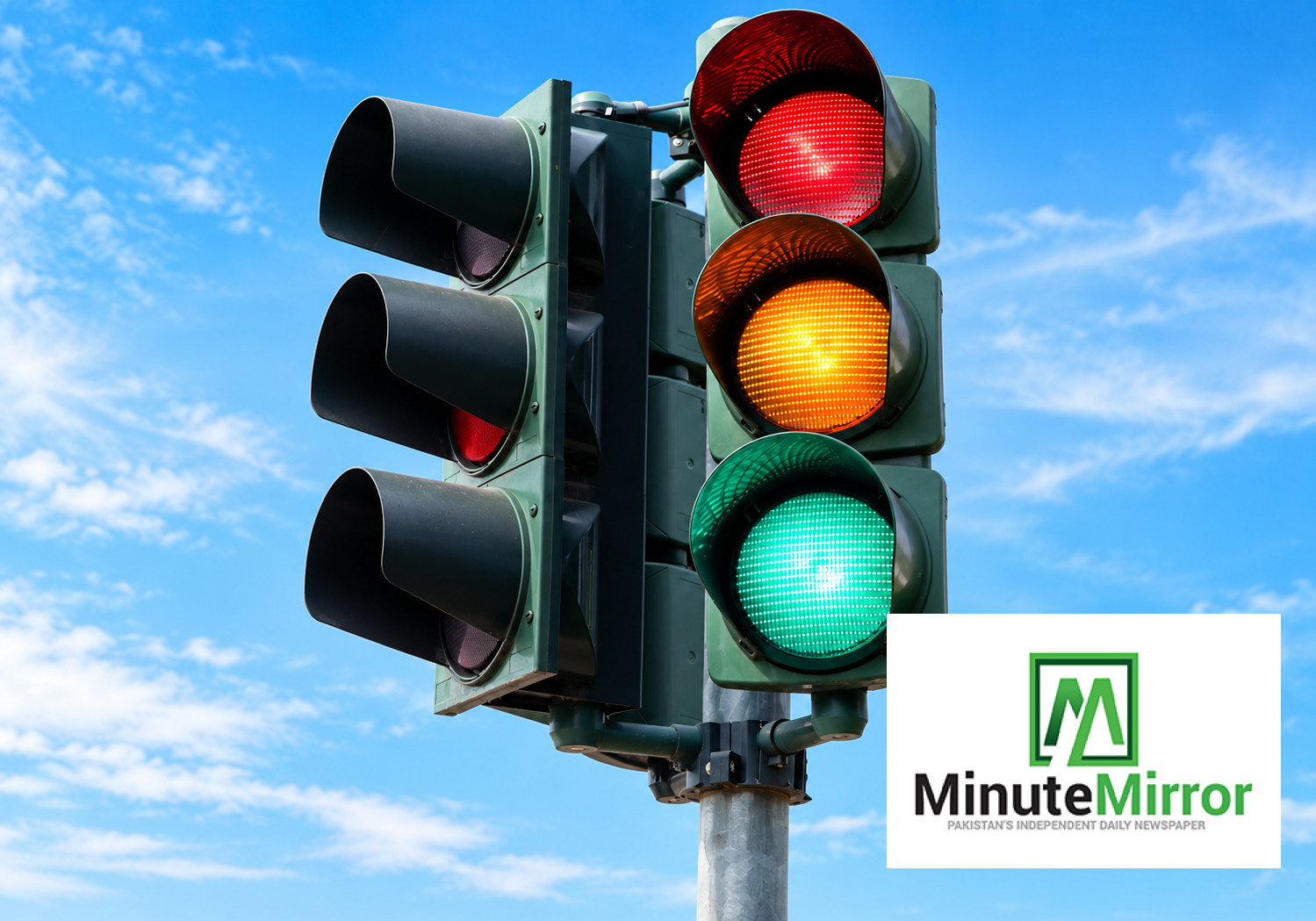
Lahore's traffic problems are often blamed on overcrowded roads, increasing car ownership, and inadequate infrastructure. However, one of the most overlooked causes is the failure to properly enforce traffic signals. At major intersections across the city, drivers frequently ignore red lights, stop beyond designated lines, or force their way through intersections when traffic signals have changed. What appears to be a minor violation is, in reality, a reflection of weak law enforcement and a growing disregard for basic road discipline.
The problem begins with the lack of consistent consequences for violating traffic signals. In many cases, drivers know that running a red light is unlikely to result in an immediate penalty. This creates a sense of impunity, where following traffic rules becomes a personal choice rather than a legal obligation. When drivers repeatedly see others breaking signals without consequences, they are more likely to adopt the same behaviour themselves. As a result, traffic signals lose their authority, and intersections become places where drivers compete for space rather than follow an organized system.
This issue is particularly visible at busy intersections during peak hours. Drivers often attempt to cross an intersection even when the signal has turned red because they believe that getting ahead of other vehicles will save them time. However, when multiple drivers behave in the same way, the result is the opposite. Vehicles block intersections, traffic from the opposite direction cannot move, and congestion quickly spreads to surrounding roads. A single act of signal violation can therefore contribute to a much larger traffic problem.
The weakness of enforcement also creates serious safety concerns. Traffic signals exist to separate the movement of vehicles and pedestrians, reducing the chances of collisions. When drivers ignore these signals, pedestrians and other motorists are placed at unnecessary risk. The problem becomes even more serious when motorcycles weave between vehicles or drivers accelerate through intersections immediately before a light changes. Without reliable enforcement, even well-designed intersections cannot function as safely as intended.
Technology could play an important role in addressing this problem. Automated cameras and electronic ticketing systems can record traffic violations without requiring a police officer to be physically present at every intersection. More importantly, these systems can create consistent consequences for violations. If drivers know that crossing a red light will automatically result in a fine, the likelihood of breaking the rule may decrease significantly. However, technology alone cannot solve the problem. Authorities must ensure that fines are actually issued, collected, and enforced fairly.
Ultimately, Lahore's traffic signal problem is not simply a matter of careless drivers; it is a failure of enforcement that allows careless behaviour to become normal. Traffic rules can only be effective when citizens believe that breaking them will have consequences. The government should therefore focus on consistent enforcement at major intersections, expand the use of automated monitoring, and conduct public awareness campaigns about the importance of signal discipline. Improving Lahore's traffic does not always require building another road. Sometimes, it requires ensuring that the rules governing the roads that already exist are actually followed. We welcome your contributions! Submit your blogs, opinion pieces, press releases, news story pitches, and news features to opinion@minutemirror.com.pk and minutemirrormail@gmail.com
ملاحظة حول ملفات تعريف الارتباط
يستخدم نيوزهنت ملفات تعريف ارتباط ضرورية لإبقائك مسجلاً للدخول ولتذكر لغتك ودولتك، حتى يعمل الموقع كما تتوقع. بإذنك، نود أيضاً استخدام ملفات تعريف ارتباط تحليلية لفهم كيفية استخدام الأشخاص لنيوزهنت وتحسينه بمرور الوقت.
الموافقة تؤثر فقط على التحليلات. لمعرفة المزيد، اطّلع على سياسة الخصوصية or الشروط والأحكام.
(0)تعليقات