


Abacaxi: História, Origem e Benefícios da Fruta Tropical
فئة: ترفيه
مشاركة
الأرشيف
إعجاب
5
The pineapple,affectionately known as the 'king of fruits,' boasts a rich history and continues to be a globally enjoyed tropical flavor. This article traces the pineapple's journey from its origins in South America, through its adoption as a symbol of luxury in Europe-even adorning architectural landmarks-to its current status as a widely accessible and nutritious food source. We'll explore the fruit's cultivation, its nutritional benefits, and its continued cultural meaning, highlighting the 'Pérola' variety popular in Brazil and noting its versatile culinary applications.
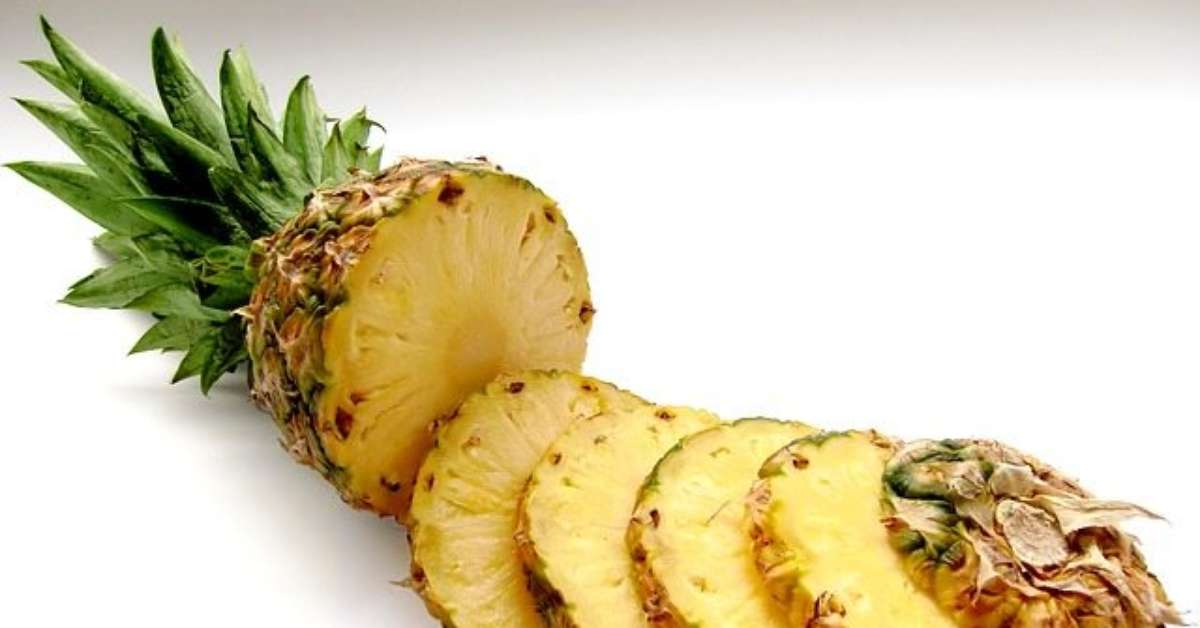
The pineapple, a versatile and flavorful fruit, is a popular addition to recipes, especially during warmer months like summer. Known as the 'King' for its crown-like appearance, it offers a uniquely refreshing taste.
Photo: Pixabay
Also known as ananas, the pineapple is a tropical fruit native to South America, specifically originating in the Paraguay region.
Photo: Pixabay
Indigenous peoples, such as the Guarani, first domesticated the fruit and spread it throughout the Americas. Europeans encountered the pineapple in the Caribbean and Central America. Interestingly, Christopher Columbus brought it to the Old World in 1493.
Photo: Pixabay
Initially considered an exotic and expensive fruit, the pineapple became a symbol of luxury and hospitality in Europe. It even adorned the top of the western towers of St. Paul's Cathedral, a landmark in London.
Photo: Pixabay
Beginning in the 17th century, pineapples were cultivated in European greenhouses and served as a status symbol and a gesture of hospitality, often given as gifts or displayed as decorative pieces.
Photo: Pixabay
Improved cultivation techniques, ease of propagation, and advancements in trade allowed the pineapple to be introduced to other continents, becoming a symbol of tropical and subtropical regions and widely accessible.
Photo: Pixabay
The pineapple plant is a semi-perennial that reaches about three feet in height. It initially produces a single fruit at the apex, and then additional fruits develop as the stem branches out.
Photo: Pixabay
The edible part of the pineapple consists of the juicy flesh formed by the walls of the fruitlets and the parenchymal tissue that connects them, as well as the outer portion or rind of the core.
Photo: Pixabay
In Brazil, the most widely planted variety is the Pérola (known in Pernambuco), which produces fruit with pale yellow, almost white flesh and a very sweet, low-acid flavor. The leaves have spiny margins.
Photo: Pixabay
The pineapple is considered a symbol of hospitality. In ancient cultures, placing it outside homes signaled that visitors were welcome.
Photo: Pixabay
This popular fruit is commonly referred to as the 'king of fruits.' This nickname is due not only to its distinctive crown but also to its unique flavor and status as a famous tropical fruit.
Photo: AI-generated image
The pineapple can be consumed fresh or processed. It can also be found in slices or pieces in syrup, candied, dried, pickled, juice, syrup, jelly, liqueur, fermented beverage, vinegar, and brandy.
Photo: Pixabay
The pineapple rind offers several health benefits, especially when consumed as tea, due to its high concentration of nutrients like vitamin C and bromelain.
Photo: Pixabay
These benefits include strengthening the immune system, reducing inflammation, promoting cardiovascular health, and aiding digestion.
Photo: Tuasaude.com
Rich in potassium and magnesium, the pineapple may be beneficial for cardiovascular health, helping to prevent and regulate high blood pressure.
Photo: AI-generated image
Furthermore, pineapple is a good source of vitamin C, which is responsible for strengthening our immune system.
Photo: Eurico Zimbres wikimedia commons
The fiber and low calorie content of pineapple contribute to feelings of fullness and weight management. It also supports healthy skin and hair.
Photo:
It may help reduce the risk of heart disease due to its antioxidant action and the presence of nutrients that contribute to cardiovascular health.
Photo: AI-generated image
(0)تعليقات