Download the Applications



UN peacekeeping chief warns of escalation threat, as Lebanon seeks UN buffer after UNIFIL departs
فئة: سياسة
مشاركة
الأرشيف
إعجاب
BEIRUT: Lebanese leaders want UN peacekeepers to remain in their country to serve as a third-party buffer between Israeli and Lebanese forces after the mandate for the existing UN Interim Force in Lebanon expires, the UN's under-secretary-general for peace operations said on Friday.
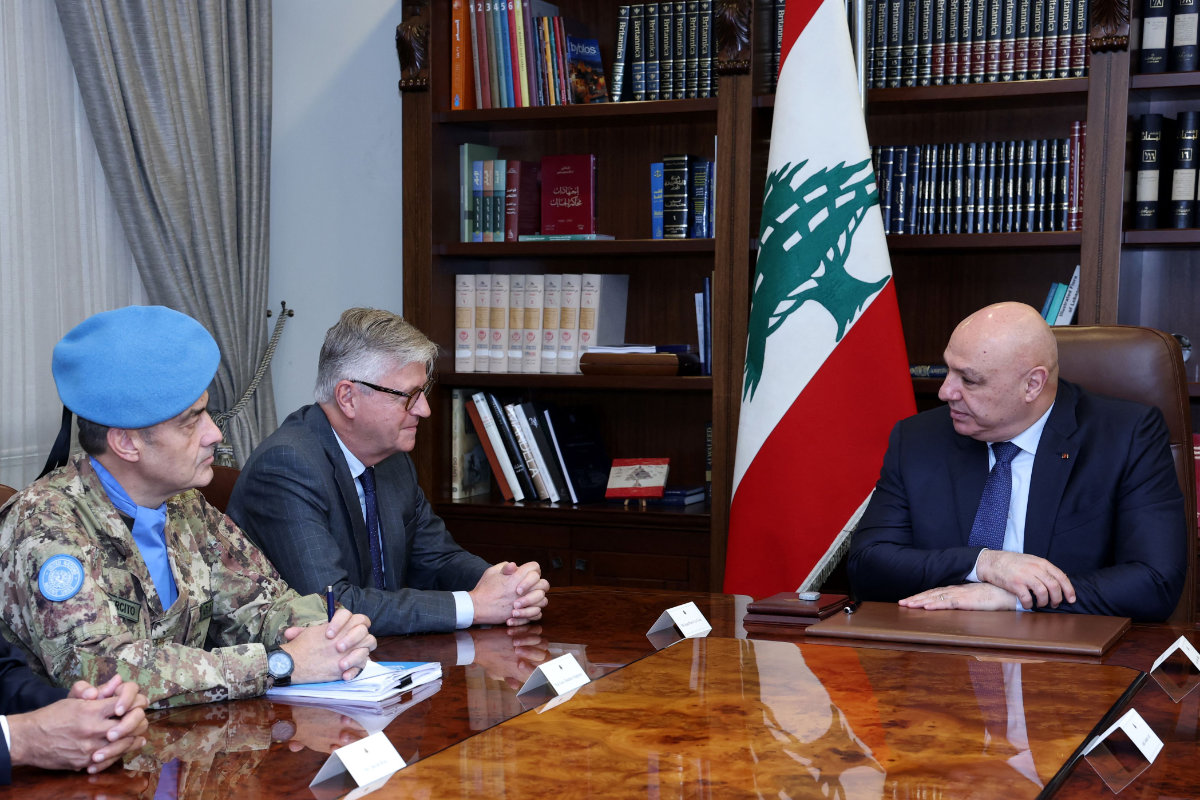
As he concluded a three-day visit to Lebanon, less than three months before UNIFIL operations are due to end, Jean-Pierre Lacroix warned that incidents along the Blue Line, the UN-designated line of withdrawal separating Lebanon from Israel, could spiral out of control.
'The Lebanese authorities themselves have been very clear that they think there needs to be this third party — the UN — avoiding unintended escalation and incidents spiraling out of control between the Israel Defense Forces and the LAF (Lebanese Armed Forces),' he said.
He voiced concern about the future of the Blue Line and continued support for communities in southern Lebanon once the UN peacekeepers depart.
Lacroix held talks during his visit with President Joseph Aoun, Speaker of the Parliament Nabih Berri, Prime Minister Nawaf Salam, Defense Minister Michel Menassa, Foreign Minister Youssef Rajji and army commander Gen. Rodolphe Haykal. Their discussions covered the implementation of Security Council resolution 1701, the work of UNIFIL and options for the UN's role in Lebanon after its peacekeeping force departs at the end of this year.
He reaffirmed the UN's commitment to peace and stability in Lebanon and stressed the continuing importance of Resolution 1701, which ended the 2006 war between Israel and Hezbollah and governs security arrangements along the border.
Lacroix also met diplomats, representatives of the countries that contribute troops to UNIFIL, and the UN's team in Lebanon. He thanked them for the critical support they provided for the UN mission.
At UNIFIL's headquarters in Naqoura he met the leaders of the mission, as well as the civilian and military personnel that are part of it, and praised their dedication in what the UN described as a particularly challenging operational environment.
UNIFIL continues to monitor developments, report violations, liaise between the parties, attempt to ease tensions, and facilitate humanitarian missions in the run-up to the expiration of its mandate.
Lacroix's visit came as UN peacekeeping efforts face significant operational challenges more broadly. In August 2025, the Security Council unanimously adopted Resolution 2790, which directed UNIFIL to cease operations at the end of 2026 and begin an orderly withdrawal process lasting up to a year.
The resolution, drafted by France, was adopted after a compromise with the US; Washington had pressed for a clear timetable for winding down the mission, signaling that continuing US funding could not be guaranteed beyond 2026.
The resolution also asked the UN secretary-general to explore, by June 1, 2026, options for the implementation of Resolution 1701 after the departure of UNIFIL, including assistance with security and monitoring along the Blue Line, and support for the redeployment of the Lebanese army south of the Litani River.
Ahead of the vote on the resolution, Aoun warned that ending UNIFIL's mandate would harm the situation in southern Lebanon, which was still affected by an Israeli occupation.
UNIFIL was established in March 1978 to verify the withdrawal of Israeli forces from southern Lebanon. Its role was expanded after the 2006 war between Israel and Hezbollah.
ملاحظة حول ملفات تعريف الارتباط
يستخدم نيوزهنت ملفات تعريف ارتباط ضرورية لإبقائك مسجلاً للدخول ولتذكر لغتك ودولتك، حتى يعمل الموقع كما تتوقع. بإذنك، نود أيضاً استخدام ملفات تعريف ارتباط تحليلية لفهم كيفية استخدام الأشخاص لنيوزهنت وتحسينه بمرور الوقت.
الموافقة تؤثر فقط على التحليلات. لمعرفة المزيد، اطّلع على سياسة الخصوصية or الشروط والأحكام.
(0)تعليقات