


Trump Rejects Iran Proposal to Reopen Strait of Hormuz
Categoría: Politics
Compartir
Archivo
Me gusta
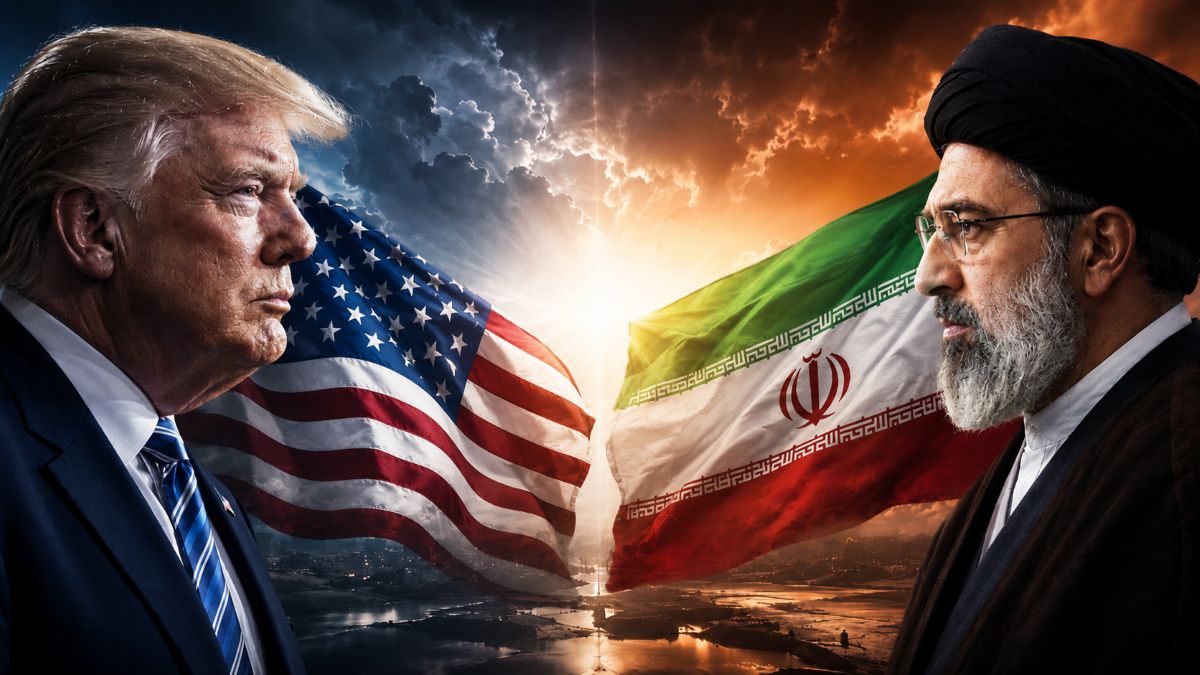
WASHINGTON: US President Donald Trump said on Saturday he had rejected Iran's proposal to reopen the Strait of Hormuz and halt fighting across the Middle East.
Tehran presented the initiative at the United Nations General Assembly in New York and said it reached Washington through Qatari mediators. Iranian officials proposed reopening the waterway and pausing regional hostilities within seven days of an agreement.
'I reject their proposal,' Trump told reporters at the White House before leaving for Tennessee.
He argued that financial pressure had driven Iran to seek a deal. Trump claimed the United States was winning the conflict and controlled the strait.
BREAKING: President Trump just revealed that Iran is begging for a deal, as their control over the Strait of Hormuz no longer exists. pic.twitter.com/KX8VrQ8wIj — Eyal Yakoby (@EYakoby) September 26, 2026
Washington has imposed an economic blockade on Iran to pressure Tehran into lifting its restrictions on the waterway. Shipping through the strait has fallen sharply during the conflict.
Iranian Foreign Minister Abbas Araqchi outlined the offer to reporters at the United Nations on Friday. He said an agreement could lead to broader negotiations on subjects both sides accepted.
President Masoud Pezeshkian of Iran separately told CBS's 'Face the Nation' that Tehran was ready to discuss its nuclear programme. He rejected coercion and maintained that Iran had already agreed not to develop nuclear weapons.
However, a senior Iranian official told Reuters that Tehran would make no concessions on uranium enrichment. Iran would not agree to send its highly enriched uranium abroad either, the official said.
Trump has insisted that Iran must never acquire a nuclear bomb.
Read:US-Iran Talks May Wait Until Midterms, Ex-Diplomat Says
Unnamed US officials told The Wall Street Journal that Trump doubted Tehran would meet his demands. They said he considered renewed bombing likely after November's congressional midterm elections.
An earlier US official had described indirect discussions as constructive.
US and Israeli attacks began the war on February 28. Subsequent fighting has disrupted oil shipments, while Iran has attacked US allies in the Gulf with drones and missiles. Yemen's Iran-aligned Houthis have targeted Saudi interests.
(With input from AFP)
Una nota sobre las cookies
Newshunt utiliza cookies esenciales para mantener tu sesión iniciada y recordar tu idioma y país, para que el sitio funcione como esperas. Con tu permiso, también nos gustaría utilizar cookies de análisis para comprender cómo las personas utilizan Newshunt y mejorarlo con el tiempo.
Aceptar solo afecta a las cookies de análisis. Para obtener más información, consulta nuestra Política de privacidad or Términos y condiciones.
(0)Comentarios