Download the Applications



Feeding Yemen's children: A new lifeline for the most vulnerable
Catégorie: Santé
Partager
Archive
J’aime
$1.55m partnership will provide lifesaving care for children with severe acute malnutrition
Project will support 35 feeding centers, directly benefit more than 18,000 children under 5
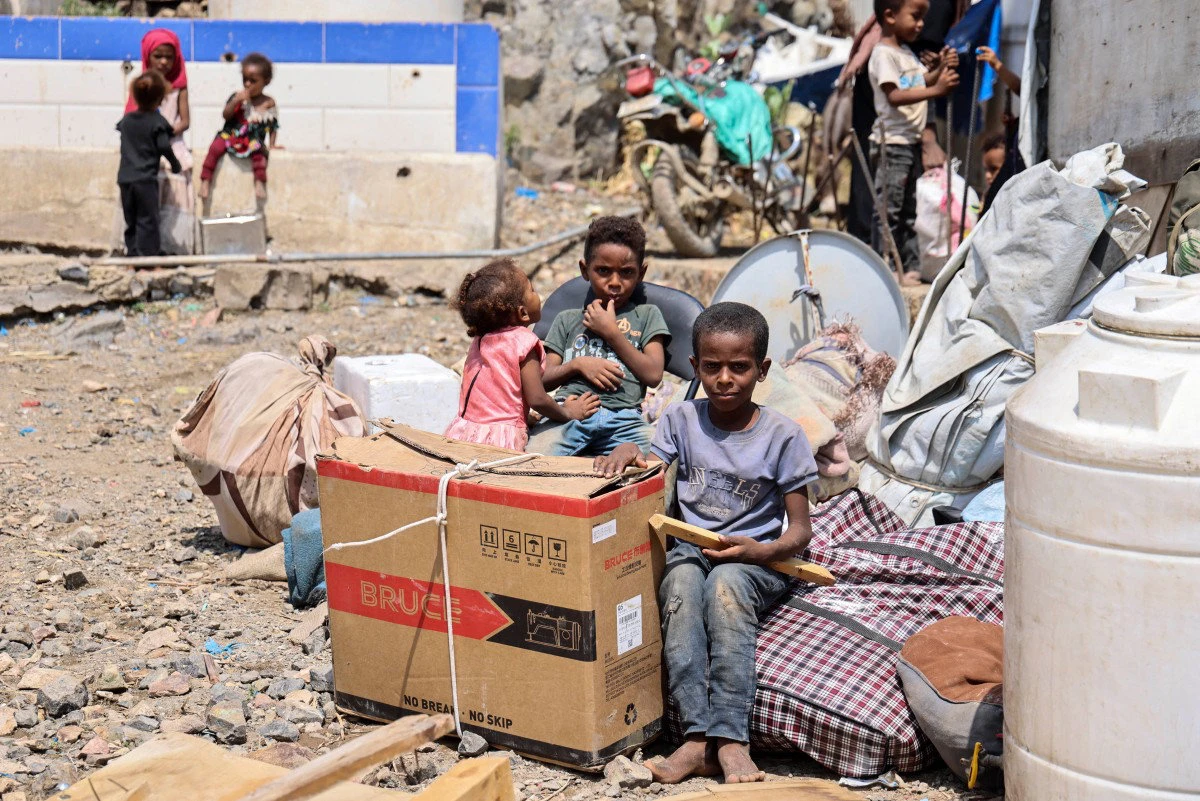
Saudi Arabia has reinforced its commitment to protecting children in Yemen through a new $1.55 million partnership between the Saudi aid agency KSrelief and the World Health Organization to provide lifesaving nutrition and medical care for children suffering from severe acute malnutrition with medical complications. 'These therapeutic medical interventions, including medicines, equipment and other needed supplies, will help children with severe acute malnutrition to recover and to have the best possible chance for a bright future,' Dr. Abdullah Al-Rabeeah, supervisor general of KSrelief, said in a WHO statement. 'We are pleased to work with our valuable partner, WHO, to protect and improve the lives of children in Yemen who are suffering.' Dr. Abdullah Al-Moallem, director of the Health and Environmental Aid Department at KSrelief, said the agreement reflected the center's continuing focus on reducing preventable deaths among Yemen's most vulnerable children. Al-Moallem told Arab News: 'This $1.55 million partnership with the World Health Organization reflects KSrelief's continued commitment to saving the lives of vulnerable children in Yemen suffering from severe acute malnutrition with medical complications. 'The agreement will strengthen access to specialized medical treatment and nutritional care, improve recovery outcomes, and reduce preventable child mortality.' After more than a decade of instability, economic collapse and disruption to food supply chains, Yemen continues to face deepening food insecurity that has left millions of children vulnerable to malnutrition. According to the UN World Food Programme, 18.3 million people in Yemen face acute food insecurity, while 2.2 million children under the age of 5 suffer from acute malnutrition. Yemen imports around 90 percent of its food, leaving families highly vulnerable to disruptions in trade routes, supply chains and markets. WFP monitoring has found that 74 percent of households are unable to meet their basic food needs, the highest level recorded so far this year. WHO has warned that malnutrition remains a major threat to child survival in Yemen. Children suffering from severe acute malnutrition who develop medical complications require specialized inpatient treatment and timely access to appropriate medicines and supplies. Al-Moallem said that while the new initiative would prioritize children with the most serious cases, preventing less severe malnutrition from worsening was equally important. He said: 'While prioritizing these critical cases, KSrelief also recognizes the importance of early detection and treatment of moderate acute malnutrition to prevent deterioration into more severe conditions and reduce the demand for lifesaving interventions.' The KSrelief-WHO initiative will provide assistance across priority areas in Abyan, Aden, Al-Dhale'e, Al-Mahrah, Al-Mukalla, Lahj, Marib, Seiyun, Shabwah, Socotra and Taiz, helping some of Yemen's most vulnerable children. The partnership will help maintain essential services at therapeutic feeding centers while improving the availability, quality and continuity of child nutrition care. Dr. Syed Jaffar Hussain, WHO representative to Yemen, said the partnership with KSrelief came at a critical time for children and families. Hussain said: 'By ensuring therapeutic feeding centers have the medicines, supplies and equipment they need, we can help health workers provide timely, quality care to children facing severe acute malnutrition and potentially life-threatening medical complications. 'We deeply appreciate KSrelief's continued partnership and commitment to protecting the health and lives of Yemen's most vulnerable children.' Under the 12-month project, the WHO will procure and distribute 402 pediatric and severe acute malnutrition kits containing essential oral and injectable medicines, IV fluids, supplies and equipment to 35 therapeutic feeding centers. The project will be implemented in close coordination with Yemen's Ministry of Public Health and Population, with supplies distributed according to facility caseloads and utilization rates to help ensure continuous care for children suffering from complicated malnutrition. It is expected to directly benefit about 18,282 children under the age of 5. Al-Moallem said: 'This partnership reaffirms the Kingdom of Saudi Arabia's dedication to addressing urgent humanitarian needs and improving the health and well-being of vulnerable children in Yemen.' The agreement builds on the longstanding partnership between the WHO and KSrelief to sustain essential health and nutrition services in Yemen. By maintaining access to lifesaving treatment for severe acute malnutrition with medical complications, the initiative aims to reduce preventable illness and deaths among young children while strengthening the resilience of Yemen's health system. The project comes as the WHO reports that a 'complex health emergency' is developing in Yemen, compounded by a worrying increase in cases of cholera, measles, dengue and malaria in recent weeks. KSrelief operates across a wide range of humanitarian sectors in Yemen, including health, food security, education, water and sanitation, shelter, nutrition, protection and early recovery. Since its establishment in 2015, the center has made Yemen the largest recipient of its humanitarian assistance. By the end of August 2026, KSrelief had implemented 1,228 projects in Yemen worth more than $4.79 billion. In the food security sector alone, the center has carried out 158 major projects at a total cost of more than $1.51 billion, with additional programs continuing across the country. Saudi Arabia has also been among the largest donors to humanitarian response plans in Yemen, with its support expanding over the course of the conflict. In 2016, KSrelief contributed $10 million to the WFP to help address rising levels of malnutrition and support children in Yemen's Hodeidah Governorate. Speaking ahead of a virtual donor conference for Yemen in 2020, Al-Rabeeah said the humanitarian needs of the Yemeni people remained a top priority for the Kingdom, highlighting the deep historic, religious, economic and social ties between Saudi Arabia and Yemen. He also expressed hope for peace in Yemen, stressing that Saudi Arabia was working to support efforts toward a political solution. Al-Rabeeah said: 'The Kingdom of Saudi Arabia is keen that Yemen achieves peace, security and prosperity to support the stability of the region as a whole within the Arab and Gulf system.' Founded in 1948, the WHO is the UN agency responsible for leading global health efforts, expanding universal health coverage, coordinating responses to health emergencies and promoting well-being worldwide.
À propos des cookies
Newshunt utilise des cookies essentiels pour vous garder connecté et mémoriser votre langue et votre pays, afin que le site fonctionne comme prévu. Avec votre permission, nous aimerions également utiliser des cookies analytiques pour comprendre comment les utilisateurs utilisent Newshunt et l'améliorer au fil du temps.
Accepter n'affecte que les analyses. Pour en savoir plus, consultez notre Politique de confidentialité or Conditions générales.
(0)Commentaires