


Muslim world needs tech renaissance: Saqib
카테고리: 사이테크
공유
보관함
좋아요
PVARA chief urges creation of new knowledge
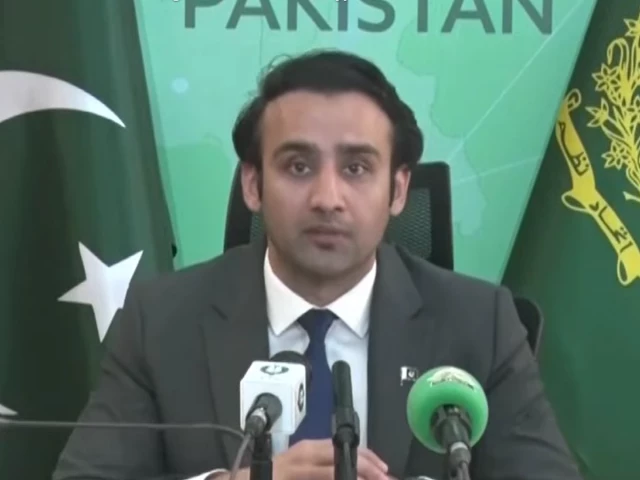
Chairman of the Pakistan Virtual Assets Regulatory Authority Bilal Bin Saqib, addresses a press conference in Islamabad on Sunday, December 14, 2025. SCREENGRAB
The Muslim world's next technological renaissance should be built on producing knowledge, developing capabilities and solving human problems rather than simply adopting new technologies, Minister of State and Pakistan Virtual Assets Regulatory Authority (PVARA) Chairman Bilal Bin Saqib said on Tuesday.
He expressed these views in a keynote conversation on "The Future of Blockchain and Islamic Finance" at the Harvard Islamic Finance Conference.
Proposing "Golden Age 2.0", he stressed that the intellectual legacy of the Islamic Golden Age should inform contemporary efforts in research, enterprise and technological development.
"We honour the past through what we create, not only through what we celebrate," he said. "A new golden age is not a return to the past. It is a return to producing knowledge, building capability and solving human problems."
"The rulebook is a beginning. The public experience is the test," he said. "The question is not simply whether a technology works, but whether people can use it with clear rights, understandable risks and somewhere to turn when things go wrong."
For the Islamic finance audience, the discussion examined how regulatory oversight and Shariah expertise can inform product development while retaining their distinct responsibilities.
Addressing students and young professionals, he discussed practical avenues for collaboration across Muslim societies, including joint research, multidisciplinary teams and supervised testing of financial technologies. He framed shared endeavour around measurable contributions rather than technology adoption alone.
"A shared past gives us connection. Shared work gives us direction," he said. "Let unity be something a young researcher can experience, not only something a speaker can describe."
(0)댓글