


1 in 5 Lebanon households says children go hungry: UNICEF
카테고리: 건강
공유
보관함
좋아요
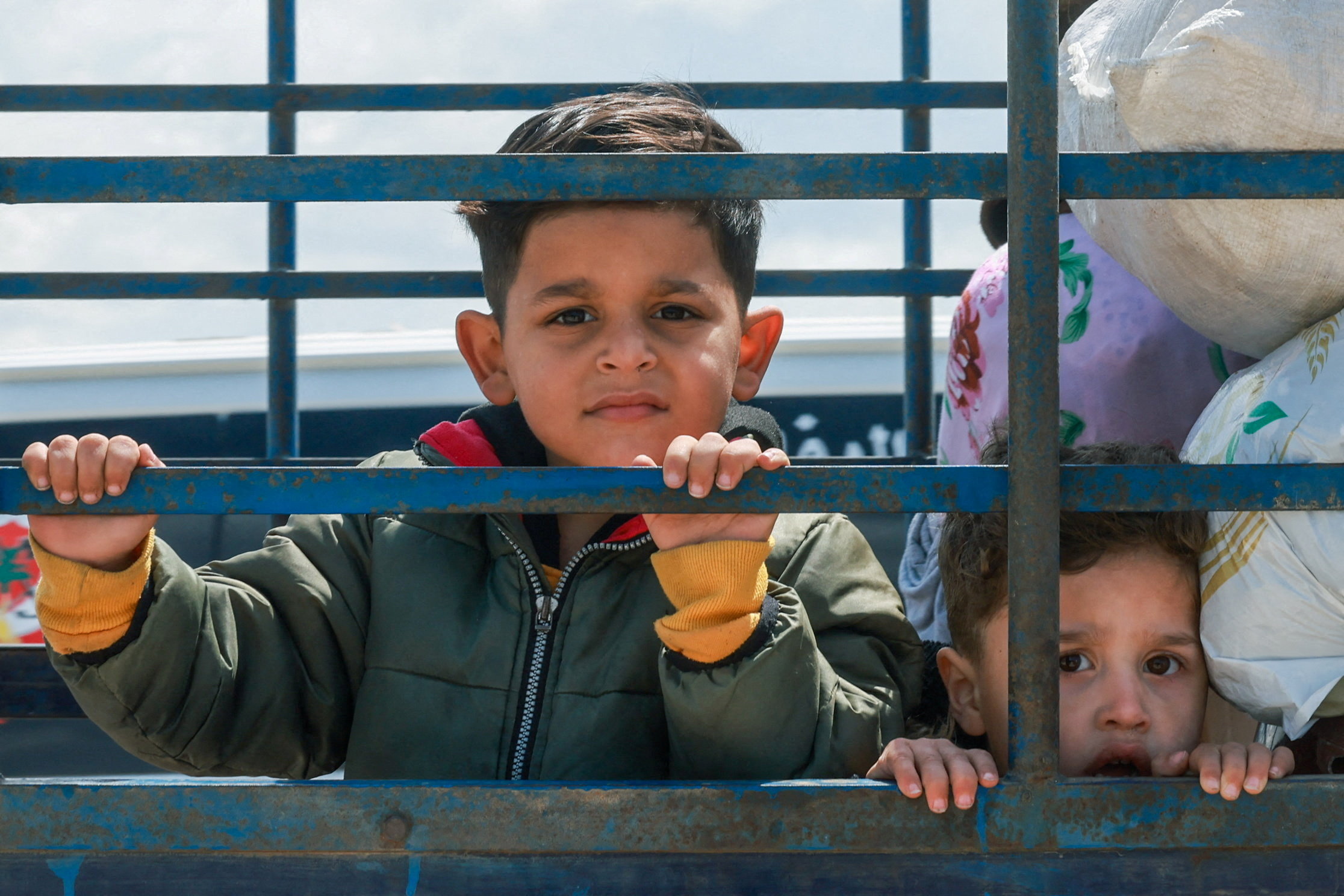
LONDON: Children are going to bed hungry in at least one in five households in Lebanon, while a similar share of families lack enough safe drinking water, the UN children's agency said on Wednesday, warning that prolonged conflict and displacement are inflicting deep and lasting harm.
UNICEF said the crisis has left an estimated 770,000 children and young people suffering psychological distress, as families confront rising food insecurity, interrupted schooling, limited health care and shrinking economic prospects.
'Children and young people in Lebanon are being asked to bear a burden no child should have to carry,' UNICEF's representative in Lebanon, Marcoluigi Corsi, said in a statement. 'Without urgent and sustained action, these pressures are shaping their lives for years to come.'
In a September report, UNICEF noted that about one-third of surveyed families said their children had missed needed medical care, primarily because they could not afford it.
Fourteen percent said at least one child was working — more than double the proportion reported in January 2025.
The conflict has compounded those pressures. Since March 2, at least 261 children have been killed and 1,056 injured, UNICEF said, an average of seven children killed or wounded each day over six months.
About 12 percent of injured children are now living with disabilities, underscoring the long-term effects of the violence.
Schools have also been heavily affected. UNICEF said 436 schools have been damaged or destroyed, putting roughly 100,000 children at risk of losing access to education. Eighty-six teachers have been killed or injured.
Even where schools remain open, financial strain and trauma are disrupting learning, with 46 percent of families saying they have reduced spending on education, and 17 percent saying their children had stopped attending school.
Among children who remained enrolled, 29 percent were unable to learn as expected, often because of emotional distress or difficulty concentrating.
The agency said the emotional toll is widespread. More than half of households reported that their children's emotional well-being had deteriorated over the previous six months, while 63 percent said their children were anxious or nervous.
UNICEF said humanitarian aid alone cannot address the scale of need in Lebanon.
'Without urgent and sustained action, an entire generation of children and young people risks carrying the scars of this crisis into adulthood,' Corsi said.
Nearly six months after an April 17 ceasefire agreement between Lebanon and Israel intended to halt hostilities involving Hezbollah and the Israeli military, airstrikes and home demolitions have continued, UNICEF said.
The UN humanitarian coordination office, OCHA, also reported continuing airstrikes, shelling, demolitions and military activity across southern Lebanon.
More than 1 million people were displaced in the weeks after the escalation, and nearly 330,000 have not returned because of continued attacks and widespread destruction in southern Lebanon.
(0)댓글