


Yemeni forces seize new mountain positions in Lahj as Houthi advance stalls
카테고리: Politics
공유
보관함
좋아요
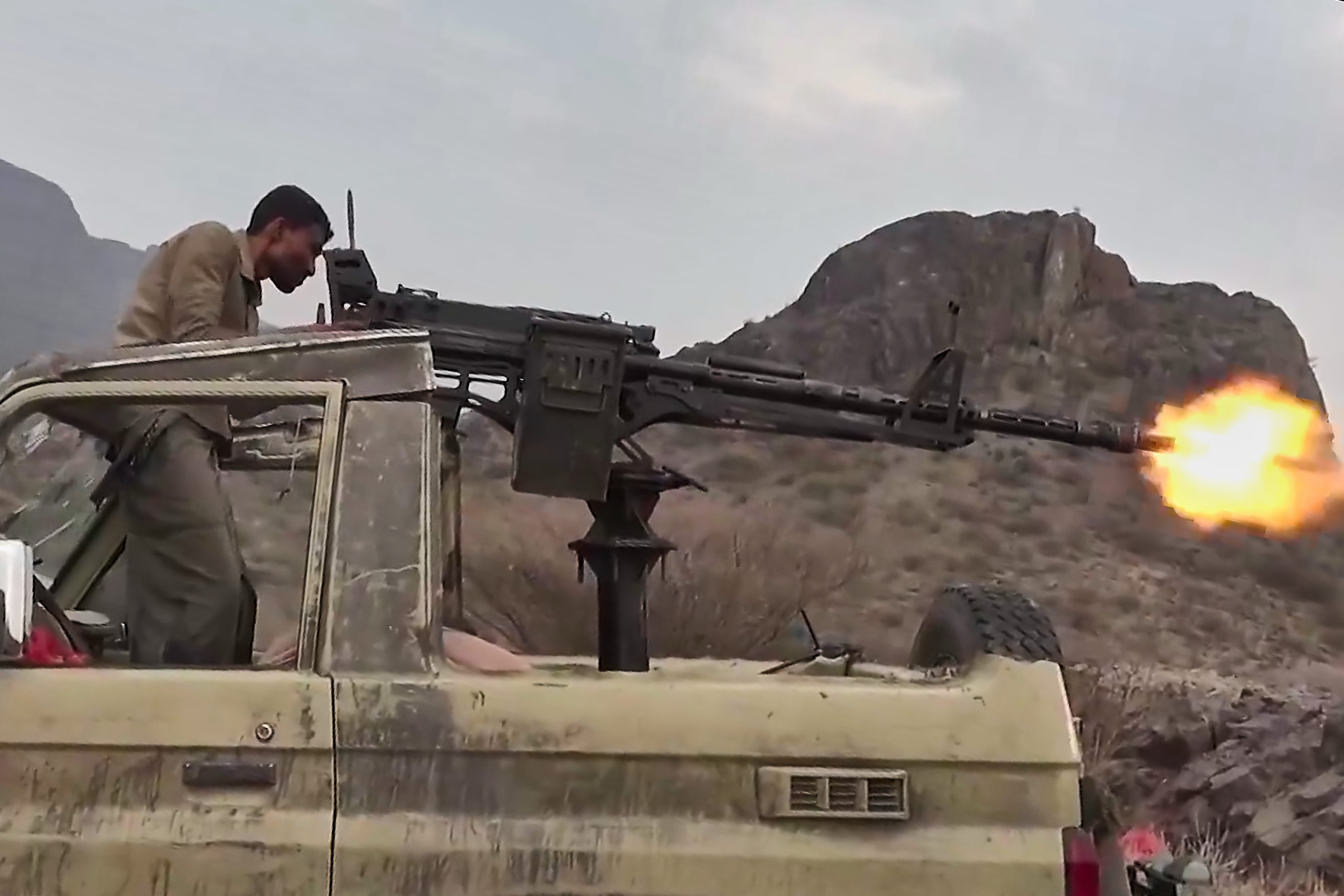
AL-MUKALLA: Yemeni government forces, backed by tribesmen, have taken control of several mountainous positions in Al-Madaribah Wa Al-Arah district in the southern province of Lahj after fierce clashes with the Iran-backed Houthis, local officials and media reported on Friday.
A Yemeni official told Arab News that the government's Nation Shield forces and Giants Brigades, backed by local Al-Sabiha tribesmen, seized control of Nouman Mountain, which overlooks a large swath of territory stretching from Al-Madaribah Wa Al-Arah in Lahj to two districts south and west of Taiz.
The forces also captured other positions along the Al-Sabiha front in Lahj, repelled Houthi attacks along the rugged front lines and consolidated their control of strategic positions previously recaptured from the Houthis.
After seizing control of the Red Sea port city of Mokha and the strategic Bab Al-Mandab Strait earlier in September, the Houthis have attempted to push eastward toward a chain of mountains, including Kahboub in Lahj, as well as mountainous areas south and west of Taiz overlooking Bab Al-Mandab.
However, they have faced stiff resistance from the Giants Brigades, Nation Shield forces and allied tribesmen, forcing the group to retreat from some positions.
Their inability to capture Kahboub has left their gains along the Red Sea vulnerable to attacks by Yemeni government forces, local officials and military commanders said.
Yemeni officials say the Houthis' failure to make further territorial gains in Lahj or Taiz indicates that their offensive has reached a stalemate, as government troops have regrouped and reinforced their positions following earlier setbacks.
'There is no longer any significant forward progress (for the group), and the Houthis have suffered heavy losses — to the point that some fighters, as they advanced, said they were walking past bodies scattered across the mountains,' the official said on condition of anonymity because he was not authorized to brief reporters.
On Sept. 3, the Houthis launched their biggest military offensive in years along Yemen's western coast in Hodeidah and Taiz, beginning with barrages of drones, ballistic missiles and mortar shells.
They initially attacked government forces west of Taiz before advancing further toward the Red Sea coast.
On Sept. 9, the group captured Mokha, the base of the government-aligned National Resistance Forces. The following day, it seized positions near the strategic Bab Al-Mandab Strait.
Meanwhile, Rashad Al-Alimi, chairman of Yemen's Presidential Leadership Council, reiterated his pledge that government forces would reverse the Houthi gains, recapture the Red Sea areas and eventually advance toward the capital, Sanaa.
During a meeting in Riyadh on Thursday with UK Ambassador to Yemen Abda Sharif, Al-Alimi said the international community could help defeat the Houthis by supporting the Yemeni government and its forces fighting them.
He said government forces had contained the Houthi offensive, regained the initiative and launched counterattacks that inflicted heavy losses on Houthi fighters in Taiz province.
Al-Alimi warned the international community against pushing for a truce that could allow the Houthis to regroup and replenish their weapons arsenal before launching another round of fighting.
The president emphasized that the sustainable security of the Red Sea and the Bab Al-Mandab Strait is linked to the existence of a 'strong Yemeni state that controls its territory, coastlines, and territorial waters,' the official SABA news agency quoted Al-Alimi as saying, adding that supporting a strong Yemeni state 'is an investment not only in Yemen's security but also in the security of global trade, energy, and interests.'
He also called on the international community to adopt a more serious approach toward Iran and curb what the Yemeni government says are its networks for smuggling weapons, technology and funds to the Houthis in Yemen.
The war in Yemen erupted in late 2014 after the Houthis seized Sanaa and later expanded across the country, triggering a conflict that has killed thousands, displaced millions and plunged the country into what the UN once described as the world's worst humanitarian crisis.
(0)댓글