Download the Applications



Beyond planting trees: Why Saudi Arabia's acacias need protection to survive
വിഭാഗം: SciTech
പങ്കിടുക
ആർക്കൈവ്
ലൈക്ക്
RIYADH: In Saudi Arabia's hyper-arid landscape, planting acacia trees is only the first step toward restoring desert ecosystems.
Prolonged drought, erratic rainfall and grazing pressure threaten young seedlings, making the protection of mature trees and the restoration of degraded habitats equally important.
At the Imam Turki bin Abdullah Royal Reserve, conservationists are working to protect established acacia woodlands while expanding vegetation cover and encouraging natural regeneration. Mature trees, some of which have survived for decades, provide ecological benefits that cannot be quickly replaced.
The Royal Reserve Development Authority prioritizes protecting these trees alongside afforestation and ecological restoration, recognizing their importance to the long-term sustainability of desert ecosystems.
Water availability is the main constraint on woodland recovery in hyper-arid environments. Seedlings need reliable moisture to establish, while protection from grazing is essential to prevent early losses. Established trees can also create cooler local conditions that support their own survival and that of other species.
DID YOU KNOW? Acacias take years to mature, making established trees difficult to replace.
Acacia woodlands support pollinators, including bees vital to honey production.
Tree counts alone do not measure restoration success; biodiversity and ecosystem recovery also matter.
'The survival rates of acacia seedlings vary from one site to another depending on environmental and climatic conditions, as well as the level of management and protection. Therefore, there is no single survival rate that can be applied to all sites,' Ali Almubarak, vegetation rehabilitation specialist at Imam Turki reserve, told Arab News.
Young seedlings are particularly vulnerable to limited rainfall, drought and extreme temperatures.
'During their early years, seedlings face several natural challenges, most notably limited rainfall, drought periods and high temperatures, in addition to the impact of grazing if planting sites are not adequately protected,' he explained.
To improve survival, the authority selects suitable planting sites, protects young trees and maintains ongoing monitoring programs. It also supports natural regeneration alongside planting initiatives to develop woodlands better able to withstand environmental pressures.
The reserve's historical acacia decline has been linked to accumulated human pressures before its establishment, including overgrazing, woodcutting and habitat degradation.
'This decline cannot be attributed to a single cause, but rather resulted from the interaction of several factors, including climate change, prolonged drought periods, unregulated grazing and historical woodcutting, as well as reduced opportunities for natural regeneration in some areas,' Almubarak said.
Since its establishment, the reserve has introduced protection measures and regulated natural resource use to reduce these pressures and support vegetation recovery.
Measuring restoration success
Tree numbers alone cannot establish whether restoration projects are succeeding. Survival, natural regeneration, vegetation cover and the recovery of wildlife and soil conditions provide a broader measure of ecological progress.
'The objective goes beyond increasing the number of trees to restoring the functions of the ecosystem in their entirety,' Almubarak explained. 'At the Imam Turki bin Abdullah Royal Reserve, success is measured through a range of environmental indicators, including higher tree survival and growth rates, increased opportunities for natural acacia regeneration, improved vegetation cover, and the return of wildlife and pollinators, alongside improvements in soil characteristics and a reduction in signs of degradation.'
Together, these indicators provide a more comprehensive assessment of restoration and long-term environmental sustainability.
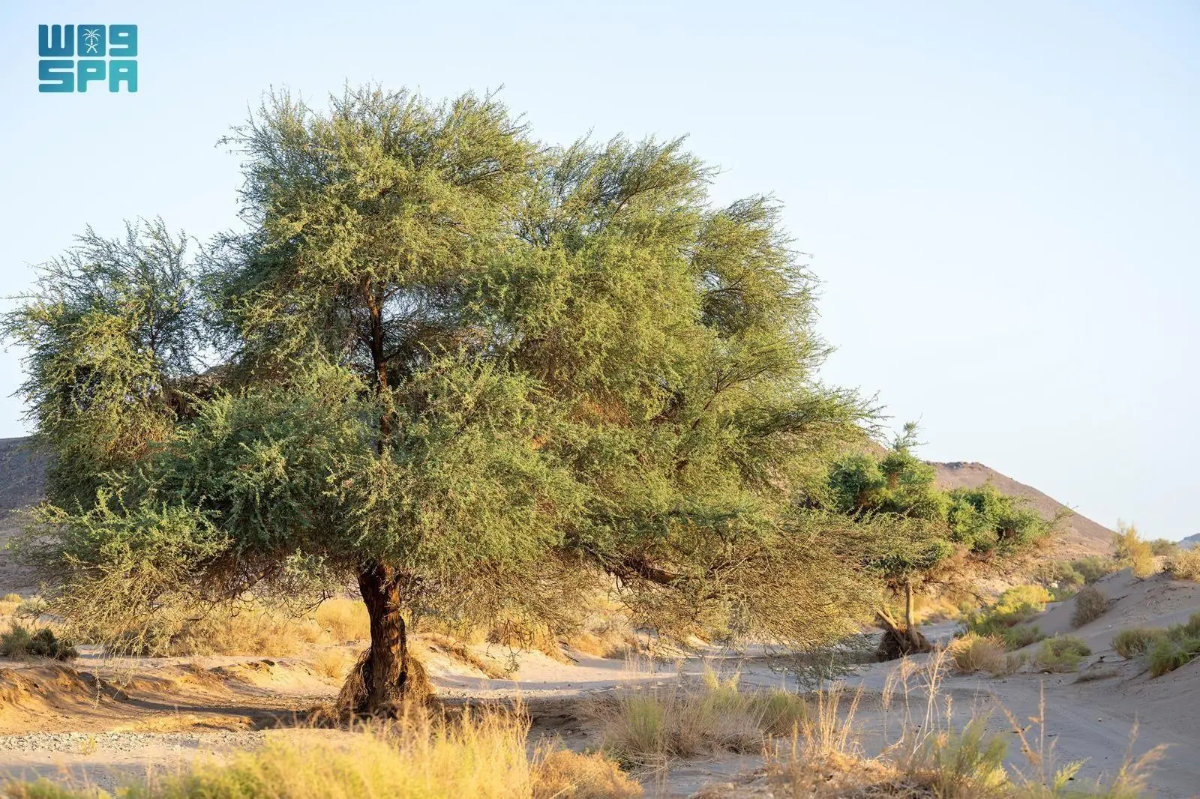
Young trees can create cooler, more stable microclimates, but saplings must be protected from overgrazing to survive. (SPA)
Mature acacias are particularly important because they provide nectar for pollinators, especially bees, as well as food, shade and nesting habitats for wildlife. Their decline could weaken biodiversity, disrupt natural regeneration and affect acacia honey production.
'Continued decline in these trees could affect the quality of natural habitats, lead to a reduction in pollinator populations, impact acacia honey production and reduce opportunities for natural regeneration. This, in turn, could limit the ecosystem's ability to support biodiversity and maintain its long-term sustainability,' Almubarak said.
The reserve continues to protect mature trees, promote natural regeneration and restore habitats to conserve biodiversity and manage natural resources sustainably.
Protecting mature woodlands
Established acacia woodlands provide ecological benefits that take years to develop, including biodiversity, carbon storage and water regulation.
'Protecting these established ecosystems should therefore always be the first priority,' Thomas Crowther, professor of Environmental Science and Engineering at KAUST, told Arab News.
Mature acacia trees are a cornerstone of desert ecosystems and a decades-old natural heritage at Imam Turki bin Abdullah Royal Reserve. (Supplied)
'Restoration through new tree planting can significantly strengthen these benefits, but only where trees are planted in places where they can naturally survive and develop into self-sustaining ecosystems. The balance between protecting mature woodlands and establishing new forests is essential for long-term success,' he explained.
Crowther said restoration success should be measured by whether ecosystems can survive and sustain themselves over the long term. Biodiversity assessments can help determine whether plants and animals are returning and whether conditions support the wider ecosystem.
Acacias also sustain pollinators that contribute to Saudi Arabia's honey production, connecting woodland conservation with local livelihoods.
'Healthy ecosystems are essential for maintaining biodiversity, regulating the climate and maintaining the livelihoods of people who depend on the land,' Crowther said.
Continued woodland decline could reduce biodiversity, weaken resilience to environmental change and affect communities that depend on healthy landscapes.
'Protecting and restoring healthy ecosystems is therefore one of the most effective ways to safeguard biodiversity, support livelihoods and strengthen resilience over the long term,' he said.
കുക്കികളെക്കുറിച്ചുള്ള ഒരു കുറിപ്പ്
നിങ്ങളെ സൈൻ ഇൻ ചെയ്ത നിലയിൽ നിലനിർത്താനും നിങ്ങളുടെ ഭാഷയും രാജ്യവും ഓർമ്മിക്കാനും Newshunt ആവശ്യമായ കുക്കികൾ ഉപയോഗിക്കുന്നു. നിങ്ങളുടെ അനുമതിയോടെ, ആളുകൾ Newshunt എങ്ങനെ ഉപയോഗിക്കുന്നുവെന്ന് മനസ്സിലാക്കാനും കാലക്രമേണ സേവനം മെച്ചപ്പെടുത്താനും അനലിറ്റിക്സ് കുക്കികളും ഉപയോഗിക്കാൻ ഞങ്ങൾ ആഗ്രഹിക്കുന്നു.
അംഗീകരിക്കുന്നത് അനലിറ്റിക്സിനെ മാത്രമേ ബാധിക്കൂ. കൂടുതൽ വിവരങ്ങൾക്ക് ഞങ്ങളുടെ സ്വകാര്യതാ നയം or നിബന്ധനകളും വ്യവസ്ഥകളും.
(0)കമന്റുകൾ