Download the Applications



France imposes curfews in parts of Paris, other cities after weekend of riots
വിഭാഗം: Politics
പങ്കിടുക
ആർക്കൈവ്
ലൈക്ക്
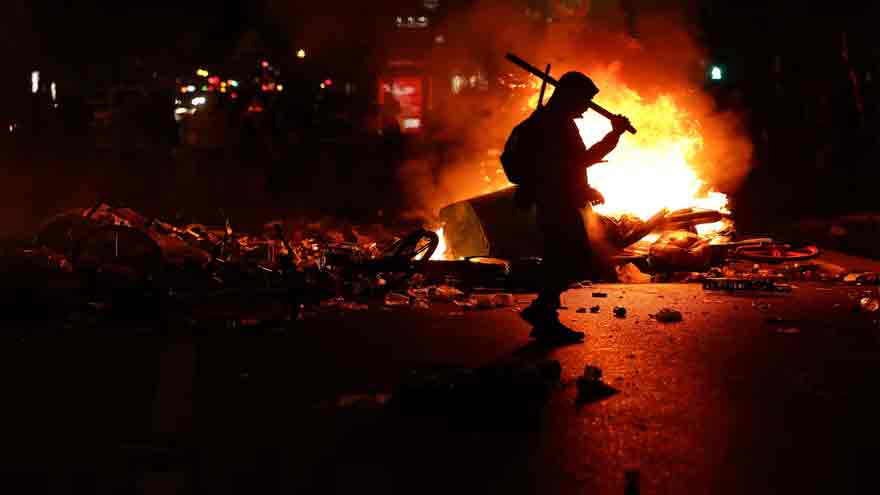
PARIS (Reuters) - French authorities set curfews in parts of several cities on Monday, including Paris, Lille and Nice, as they faced pressure over security failings after a weekend of riots and looting stemming from nationwide anti-government protests.
Prime Minister Sebastien Lecornu had ruled out a blanket curfew in Paris but not a state of emergency, and had said it was more appropriate for now to apply partial and localised curfews.
"My determination to restore order is absolute," he told reporters.
Paris police said they had issued orders barring protests in certain areas of the French capital from 8 p.m. (1800 GMT) and had issued a curfew around the Place de la Republique and Les Halles from 11:00 p.m. Both would remain in effect until 6 a.m. on Tuesday morning.
"A police deployment is in place to ensure strict compliance with these measures," the police said in a statement.
A source in Lecornu's office said a curfew for minors had been set between 8 p.m. and 6 a.m. for the next two days in Lille, Douai, Wattignies and Denain with the agreement of the local mayors.
In Nice, mayor Eric Ciotti said in a video posted online that he had signed an order installing a curfew for minors in central Nice overnight.
Marseille banned gatherings and demonstrations. French unions meanwhile called for a new round of strikes and rallies on November 5.
The weekend of looting and violence between some protesters and police followed weeks of student demonstrations, rocking France six months ahead of its next presidential election and highlighting pressures from a weak economy and surging debt.
MINISTER BLAMES FAR LEFT
Lecornu blamed far-left groups for some of France's worst unrest in years. "There is, after all, a far-left movement that wants to cause — we can't put it any more strongly — profound unrest in the country in the run-up to the presidential election," he said.
Hard-left presidential candidate Jean-Luc Melenchon urged him to provide evidence. "Otherwise, he should apologise, keep quiet and stop fanning the flames of unrest," he said on X.
The Federation of Trade and Retail said almost 3,000 shops had been affected over the weekend.
"Behind every ransacked shop are business owners, employees and families who have seen years of work and effort wiped out in a matter of hours," it added, calling for social security and tax relief for affected businesses.
Lecornu said the government would provide furlough measures from Tuesday.
Standing before a boarded-up shopfront, Gerard Nouchi, manager of two clothing stores in Marseille, said there weren't enough police to stop the looters.
"They trashed everything, broke things, insulted us,' Nouchi said. "It was like a real tornado."
The government ordered platforms selling looted goods to take down announcements and collaborate to prosecute resellers, Junior Digital Minister Anne Le Hénanff wrote on X.
Some 2,400 people were arrested and one protester died from a cardiac arrest on Saturday while nearly 1,000 officers were injured, according to the Interior Ministry.
'LEFT WITHOUT PROTECTION'
French assets were underperforming broader European markets on Monday, though moves were more contained than at some other moments of recent political friction.
Tensions in President Emmanuel Macron's fragile government over apparent security shortcomings — coming as the government needs to pass a budget bill to rein in its finances — could further unsettle investors.
Macron's office said on Monday he had turned down his Interior Minister Laurent Nunez's offer to resign, telling him instead to put an end to barricades and looting and be transparent over what Macron called "intelligence and foresight failings".
Nunez told reporters that Tuesday evening's Champions League soccer match between Paris Saint-Germain and Barcelona would go ahead as planned.
The mayors of Paris, Marseille and Lyon said in a joint op-ed in the newspaper Liberation that they were used to demonstrations and protests.
"But on Saturday ... for the first time, we had the feeling that whole sections of our cities had been left without protection," said the mayors, all from the centre-left.
The start of school holidays on Monday may provide relief, but students were staging more gatherings and blockades in some places, including the Louvre gallery and Sciences Po university in central Paris.
LUXURY BOUTIQUES DAMAGED
At the weekend, hundreds of thousands took to the streets to protest over what many say are declining and dysfunctional public services.
At the Place Vendome in Paris, home to luxury hotels and boutiques, most shops were shuttered and surrounded by security guards on Monday. The front door of a Dior boutique was smashed, while windows belonging to other luxury brand stores in central Paris, including Rolex, Louis Vuitton, Ralph Lauren and Gucci, were damaged.
In Marseille, Ligue 1 club Olympique de Marseille said its official store on the city's historic main avenue had been looted, while a town hall in central France was torched.
France deployed 60,000 police and other security forces on Saturday, Nunez told France Inter radio, but he acknowledged that was not enough to control violent crowds.
Cost-of-living issues also drove weekend protests in other European countries including Italy, Belgium and Albania.
European governments have advised citizens travelling to France to avoid large crowds and exercise caution.
As France was busy cleaning up its streets, Macron arrived in Kuwait for a Gulf trip aimed at securing additional petrol and diesel supplies to bring down pump prices.
കുക്കികളെക്കുറിച്ചുള്ള ഒരു കുറിപ്പ്
നിങ്ങളെ സൈൻ ഇൻ ചെയ്ത നിലയിൽ നിലനിർത്താനും നിങ്ങളുടെ ഭാഷയും രാജ്യവും ഓർമ്മിക്കാനും Newshunt ആവശ്യമായ കുക്കികൾ ഉപയോഗിക്കുന്നു. നിങ്ങളുടെ അനുമതിയോടെ, ആളുകൾ Newshunt എങ്ങനെ ഉപയോഗിക്കുന്നുവെന്ന് മനസ്സിലാക്കാനും കാലക്രമേണ സേവനം മെച്ചപ്പെടുത്താനും അനലിറ്റിക്സ് കുക്കികളും ഉപയോഗിക്കാൻ ഞങ്ങൾ ആഗ്രഹിക്കുന്നു.
അംഗീകരിക്കുന്നത് അനലിറ്റിക്സിനെ മാത്രമേ ബാധിക്കൂ. കൂടുതൽ വിവരങ്ങൾക്ക് ഞങ്ങളുടെ സ്വകാര്യതാ നയം or നിബന്ധനകളും വ്യവസ്ഥകളും.
(0)കമന്റുകൾ