Download the Applications



DPM Dar hails 'whole of govt' approach as he reviews govt fuel subsidy scheme
വിഭാഗം: Business
പങ്കിടുക
ആർക്കൈവ്
ലൈക്ക്
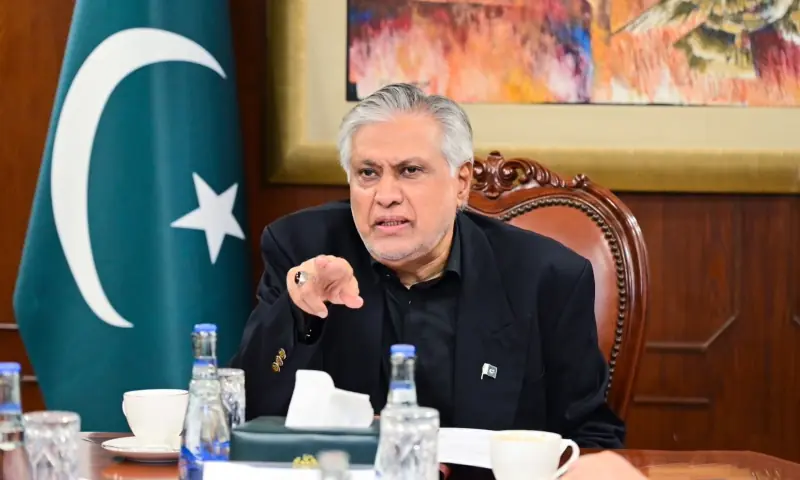
Deputy Prime Minister and Foreign Minister Ishaq Dar on Tuesday appreciated the success of the Prime Minister's Fuel Relief Scheme, saying that it reflected a 'whole of government' approach.
The relief scheme for owners of motorcycles, rickshaws and vehicles of up to 800cc was rolled out across the country on Sept 17. PM Shehbaz Sharif had announced the subsidies to ease the public's burden amid rising fuel prices due to the Middle East situation.
On Tuesday, DPM Dar chaired a meeting of the National Steering Committee on Fuel Subsidy to review the implementation of the scheme, his office said.
The deputy premier noted that the information, IT and petroleum ministries, as well as the Oil and Gas Regulatory Authority (Ogra), the State Bank of Pakistan (SBP) and all provinces, had made 'concerted' efforts for the scheme.
'Dar stressed the need for continued coordination to facilitate beneficiaries and ensure smooth service delivery across the country,' the statement said.
It noted that to date, around 7.60 million registrations have been successfully made, and the token redemption process has entered the second week. Moreover, 7.71m tokens have been redeemed.
The meeting was attended by IT Minister Shaza Fatima Khawaja, Information Minister Attaullah Tarar, PM's Special Assistant on DPM Office Tariq Bajwa, the federal and provincial secretaries, and officials from SBP, Ogra, National Information Technology Board, and Pakistan Digital Authority.
Under the relief scheme, owners of two- and three-wheeled vehicles were to receive a subsidy of Rs100 per litre on a monthly quota of 20 litres, while those owning vehicles of up to 800cc were to receive the same subsidy on a monthly quota of 30 litres.
Fuel prices amid Mideast conflict
Renewed hostilities in the Middle East, which have resulted in the disruption of major oil supply routes, have caused fuel prices to rise over the past two months.
In addition to the crisis in the Strait of Hormuz due to the US-Iran war, trade via Bab al-Mandab — which has become a vital route for Saudi oil exports in recent months — is also facing a rising threat from Houthi rebels.
The International Energy Agency (IEA) has said that global oil supply and demand will fall further than previously thought this year, as a lack of progress in ending the Iran war delays the return of normal Middle East flows into 2027 and sends fuel prices soaring.
In July, the government announced that fuel prices would now be fixed on a daily basis due to fluctuations in international market prices.
കുക്കികളെക്കുറിച്ചുള്ള ഒരു കുറിപ്പ്
നിങ്ങളെ സൈൻ ഇൻ ചെയ്ത നിലയിൽ നിലനിർത്താനും നിങ്ങളുടെ ഭാഷയും രാജ്യവും ഓർമ്മിക്കാനും Newshunt ആവശ്യമായ കുക്കികൾ ഉപയോഗിക്കുന്നു. നിങ്ങളുടെ അനുമതിയോടെ, ആളുകൾ Newshunt എങ്ങനെ ഉപയോഗിക്കുന്നുവെന്ന് മനസ്സിലാക്കാനും കാലക്രമേണ സേവനം മെച്ചപ്പെടുത്താനും അനലിറ്റിക്സ് കുക്കികളും ഉപയോഗിക്കാൻ ഞങ്ങൾ ആഗ്രഹിക്കുന്നു.
അംഗീകരിക്കുന്നത് അനലിറ്റിക്സിനെ മാത്രമേ ബാധിക്കൂ. കൂടുതൽ വിവരങ്ങൾക്ക് ഞങ്ങളുടെ സ്വകാര്യതാ നയം or നിബന്ധനകളും വ്യവസ്ഥകളും.
(0)കമന്റുകൾ