


strategic petroleum reserve hits lowest since 1982
Категория: Business
Поделиться
Архив
Нравится
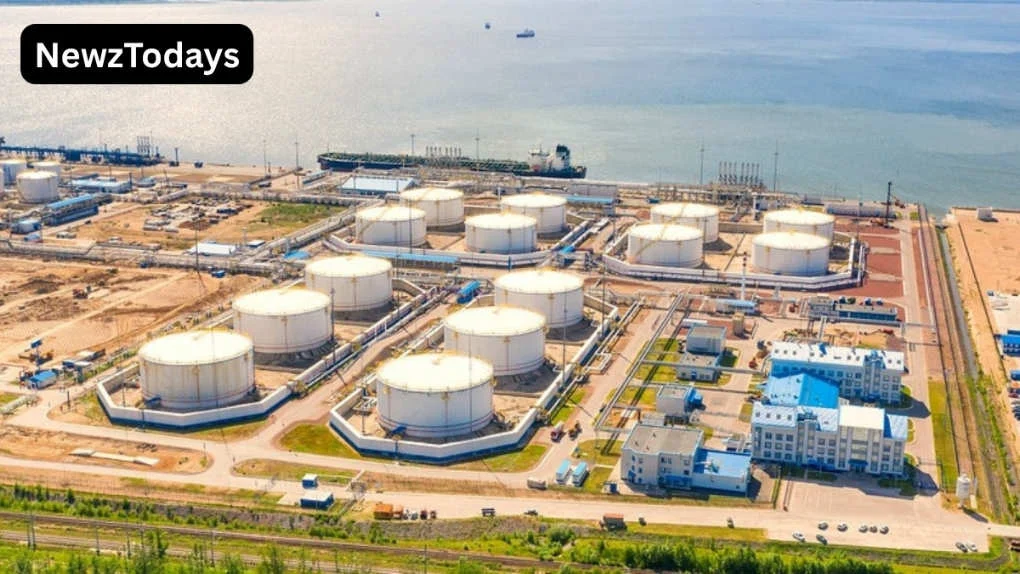
The United States Strategic Petroleum Reserve (SPR) held about 283 million barrels of oil at the end of September 2026, marking its lowest level since 1982. This significant drawdown reflects the reserve's extensive use amid recent global tensions and market disruptions. Rapid Withdrawals and Slow Refills
The SPR was built to provide swift emergency oil supplies, and it has proven capable of quick releases. However, replenishing these reserves is a gradual and costly process. Currently, the reserve is being refilled through a program where released barrels are repaid with interest, ranging from 18% to 28%, though some repayments are not expected until 2028. Even if all planned returns occur on schedule, the reserve is projected to only recover to about two-thirds of its operational capacity. Background to the Reserve's Decline
Established in 1975 in response to the Arab oil embargo, the SPR reached its peak inventory of 726.6 million barrels in 2009. It maintained near 695 million barrels for much of the 2010s. However, following Russia's 2022 invasion of Ukraine, the Biden administration authorized the sale of 180 million barrels, which constitutes the largest sustained drawdown in the reserve's history. This depletion continued despite an effort by the Department of Energy to repurchase 59 million barrels and legislative cancellations of mandated sales of 140 million barrels to stabilize the reserves.
By early 2026, the SPR stood at about 58% of its authorized capacity of 713.5 million barrels, just as geopolitical conflicts in the Middle East intensified, including U.S. and Israeli strikes near the Strait of Hormuz that disrupted tanker traffic. Why the SPR Status Matters for Pakistan
Pakistan is highly dependent on global oil markets and sensitive to price volatility due to its import reliance for energy needs. The U.S. SPR's depletion and slow refill pace can exacerbate global supply uncertainties and impact crude oil prices worldwide. Consequently, fluctuations in oil availability and costs can affect Pakistan's fuel prices and economic stability, especially as global geopolitical tensions continue to heighten market risks.
Michael Kern, an energy analyst, noted, 'Though the drawdown is alarming, the SPR's role as a flexible emergency system means it was utilized as intended, but replenishment remains a challenge for future administrations.' With Congress allocating only $171 million for refills against an estimated $20 billion needed for a full recovery, the reserve's status will continue to influence international energy markets. Related Stories
Примечание о файлах cookie
Newshunt использует необходимые файлы cookie, чтобы вы оставались авторизованными и чтобы запоминать ваш язык и страну, благодаря чему сайт работает так, как вы ожидаете. С вашего разрешения мы также хотели бы использовать аналитические файлы cookie, чтобы понимать, как люди используют Newshunt, и со временем улучшать его.
Принятие влияет только на аналитику. Подробнее см. в нашей Политике конфиденциальности or Условиях использования.
(0)Комментарии