


How the Next Generation of Robot Vacuums Is Rethinking the Smart Home
分类: SciTech
分享
归档
点赞
Robot vacuums have come a long way from simply moving around the floor and picking up dust. Today, they are becoming more integrated into the smart home, and the expectations surrounding them are changing just as quickly. Cleaning performance still matters, of course, but consumers are also paying closer attention to how these devices navigate their homes, what data they collect, how they look in a living space, and even the materials they're made from.
That shift is creating opportunities for brands that take a broader view of robotic cleaning. Instead of competing only on suction power or battery life, newer products focus on privacy, intelligent navigation, thoughtful design, and more responsible material choices.
One company gaining attention in this changing market is bObsweep. At the 2025 Circana Home Industry Performance Awards, the company was named the U.S. Emerging Leader in the Home Environment segment. The recognition was based on Circana Retail Tracking Service data covering the 12 months ending December 2024 and identifying brands with significant gains in U.S. dollar share.
In other words, the award reflects measurable market momentum rather than simply industry buzz. The recognition provides useful context for why bobsweep is an emerging brand worth watching as the robotic cleaning category continues to evolve.
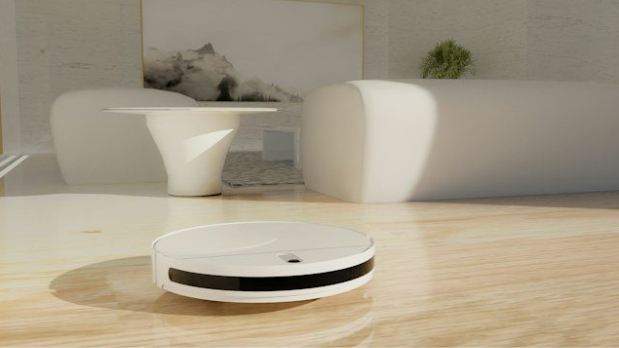
Its Bio robot vacuum offers a particularly interesting example of where that evolution may be heading. The product brings together several themes that increasingly matter in connected homes: privacy-conscious operation, contemporary styling, materials incorporating renewable-source ingredients, and navigation technology designed to map a home efficiently.
Among these features, privacy stands out because it addresses a concern that grows as smart devices gain more access to the spaces where people live. Privacy Is Becoming Part of Product Design
For a device that moves from room to room, privacy is not an abstract concern. A robot vacuum may operate in bedrooms, living rooms, home offices, and other personal spaces, so how it understands its surroundings can matter almost as much as how well it cleans.
Bio approaches this issue by navigating without taking or recording images of the home, its occupants, or their pets. Rather than relying on a camera-based system, the robot uses other navigation technologies to understand its surroundings. That distinction gives privacy a more tangible role in the product rather than treating it simply as a setting buried inside an app.
This matters as more household products become connected. Smart-home buyers are increasingly asked to balance convenience with how much information devices may collect to provide it. A robot vacuum that can map and clean effectively without capturing visual images offers a different approach to that trade-off.
It also reflects a broader change in what consumers may expect from smart-home technology. Intelligence doesn't have to mean collecting more data. In some cases, smarter design can mean accomplishing the same task while collecting less.
For bObsweep, this privacy-focused approach helps Bio stand apart in a crowded category, but it also fits into a wider product philosophy. The robot is designed not only around what it does while moving through the home, but also around how it looks, what it is made from, and how comfortably it fits into the values of the people buying it.
This matters especially for younger consumers, who often see home technology as both a functional purchase and part of the broader environment they want to create. Design and Materials Matter More Than Ever
For younger shoppers, especially Gen Z consumers building their first apartments or upgrading smaller urban spaces, a home appliance is often expected to do more than perform a basic function. It also has to fit visually into the room and, increasingly, reflect broader preferences around materials, consumption, and environmental impact.
Bio meets that expectation through contemporary styling and thoughtful material choices. Its exterior features a clean, modern look that makes the robot feel less like an industrial appliance and more like part of the home. That matters in a category where the product is often visible rather than hidden away in a cabinet.
The material story adds another layer. Bio uses bio-based plastic that incorporates ingredients from renewable sources, giving the product a more sustainability-conscious positioning than a conventional all-petroleum-plastic design. While that doesn't make the robot entirely sustainable on its own, it shows how manufacturers can start incorporating renewable-source materials into everyday smart-home products.
Together, these choices create a relevant positioning angle for environmentally conscious Gen Z shoppers. This audience is often more attentive to how products are made, how they look, and whether they align with personal values and practical needs.
That combination of aesthetics and material awareness also reflects a larger shift in home technology. The most appealing products increasingly blend into daily life rather than feeling purely technical. For a robot vacuum, however, design and materials are only part of the equation. The device still has to understand the home quickly and move through it efficiently, which is where Bio's navigation software becomes especially important. Smarter Navigation Without the Extra Learning Curve
A robot vacuum may look refined and offer a strong privacy proposition, but its everyday value still depends heavily on how well it understands the space around it. Efficient navigation lets a robotic cleaner move with purpose rather than simply reacting to obstacles as it encounters them.
Bio uses bObsweep's QSLAM® software together with LiDAR and real-time computing to build a map of the home quickly. One key advantage is that the robot doesn't require a separate training run before it can begin understanding the layout. Instead, mapping happens as the device operates, reducing the setup required from the user.
That can make the experience feel more immediate. Instead of asking homeowners to complete an extra learning cycle before normal cleaning begins, the robot can start building a usable picture of the space from the outset.
LiDAR also provides a practical way to understand distance and surroundings without relying on visual images, which connects the navigation system back to Bio's broader privacy-focused design. In that sense, the technology is not simply an isolated feature. It supports the same product philosophy seen elsewhere in the robot: making smart-home functionality useful while keeping the experience relatively unobtrusive.
QSLAM® therefore helps bring Bio's different sides together. The robot is designed to navigate intelligently, but the technology behind that navigation also complements its emphasis on privacy and ease of use. A Broader View of the Modern Robot Vacuum
The evolution of robotic cleaning is becoming less about adding one headline feature and more about how different features work together. bObsweep's recent market recognition suggests that consumers are responding to brands bringing new ideas into the category, while Bio illustrates some of the directions those ideas can take.
Privacy-conscious navigation, renewable-source materials, contemporary design, and faster mapping each address a different part of the ownership experience. Combined, they show how a robot vacuum can be positioned as more than a cleaning appliance. As smart-home products continue to develop, the strongest innovations may be those that become easier to live with rather than simply more complex. For robotic vacuums, that means cleaning effectively while fitting more naturally into the home, the technology ecosystem, and the priorities of the people who use them.
(0)评论