


Exploiting the love of learning
زمرہ: ما لیاتی
شیئر کریں
آرکائیو
پسند کریں
.
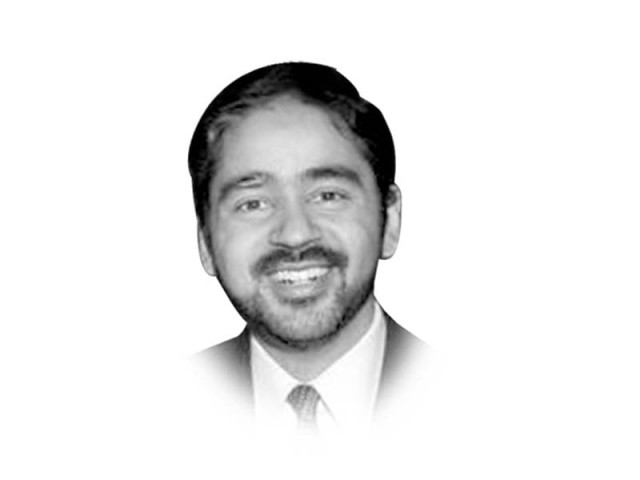
The author is a Professor and the Director of Center on Forced Displacement at Boston University
In any healthy society, there are plenty of people who seek higher education. They come from a variety of social and economic backgrounds, and demonstrate both the capacity to perform, and a desire to further their education at institutions that are better than what is available locally. Our society is no different. It has plenty of students who are eager to seek better opportunities to learn and shape their ideas and use that training for a better life.
Then there is this other reality that in the same society someone, working as an individual or as part of a group, would exploit this fundamental love of learning. This person, or a group, would defraud the students and their families of their life savings, cause extreme distress to the student, and unimaginable pain to the loved ones. As we grapple with the immense loss of a young and brilliant student in Islamabad, whose life ended so tragically, we must ask questions of how can we allow this to happen?
The purity of seeking higher education, and the evil of exploiting that goal for financial reward by someone, must not be allowed to coexist. There are fundamental questions about crime, fraud and exploitation that must be answered by law enforcement agencies, but there are other questions that also merit serious reflection by all of us. Starting off, we must recognise that people want to seek higher education opportunities abroad because a large number of our own institutions are not good enough. Institutions suffer from chronic lack of funding, poor governance and lack of seriousness on the part of faculty and administration. But that is not the only reason. We know well that education abroad is also a means to leave the country where people feel devalued and know that a fair shot at progress, growth and success is unlikely. Those who have serious academic and intellectual ambitions know that politics and privilege are much stronger drivers of academic jobs than intellectual capacity and creative abilities. Combine this with the extraordinary growth of 'consultants' who offer services with an astronomical price tag, sell grand dreams and are masters at gaming the system. Corruption, bribery and underhand dealings around document attestation and visas add to this poisonous cocktail of false illusions.
So how do we start combatting this dangerous enterprise? Here we can learn from other areas of public services (e.g. information around health services) where unregulated private practices can cause serious harm. First, consulting practices must be seriously regulated by the government with proper licensing, reporting and taxation. Unlicensed services should not be allowed to operate. Second, there has to be some expectation (and tax incentives) for the private institutions in higher education consultation that a per cent of work must be done pro bono, or with reduced fee services that allow people with modest means to get advice and help in navigating the increasingly complicated network of international higher education. For the philanthropists who may have means and a desire to contribute, perhaps creating and supporting non-profits that provide quality mentorship for those who do not have deep pockets. And this takes me to my final point – those of us (including myself) who have benefitted from quality higher education abroad, and still engage with, or work in institutions of higher learning, need to be more available to guide and help those who can benefit from our experience. I, along with many of my colleagues, do try to provide some guidance to those who reach out, but that is often ad hoc and unstructured. We need to be more organised, and offer our time, to the best of our ability, to those who are not welcome at big businesses because they do not go to elite schools, live in gated communities or drive fancy cars. Pursuit of higher education cannot be the domain of only the rich, and those who come from smaller homes should not be made to sacrifice their assets or their lives just because they dream of learning more.
کوکیز کے بارے میں ایک نوٹ
نیوزہنٹ آپ کو سائن ان رکھنے اور آپ کی زبان اور ملک یاد رکھنے کے لیے ضروری کوکیز استعمال کرتا ہے، تاکہ سائٹ آپ کی توقع کے مطابق کام کرے۔ آپ کی اجازت سے، ہم یہ سمجھنے کے لیے تجزیاتی کوکیز بھی استعمال کرنا چاہتے ہیں کہ لوگ نیوزہنٹ کو کیسے استعمال کرتے ہیں اور وقت کے ساتھ اسے بہتر بنانا چاہتے ہیں۔
قبول کرنا صرف تجزیات کو متاثر کرتا ہے۔ مزید جاننے کے لیے دیکھیں پرائیویسی پالیسی or شرائط و ضوابط.
(0)تبصرے