


Swiss archeologists redraw Roman maps following drought discovery
زمرہ: سائنس ٹیکنالوجی
شیئر کریں
آرکائیو
پسند کریں
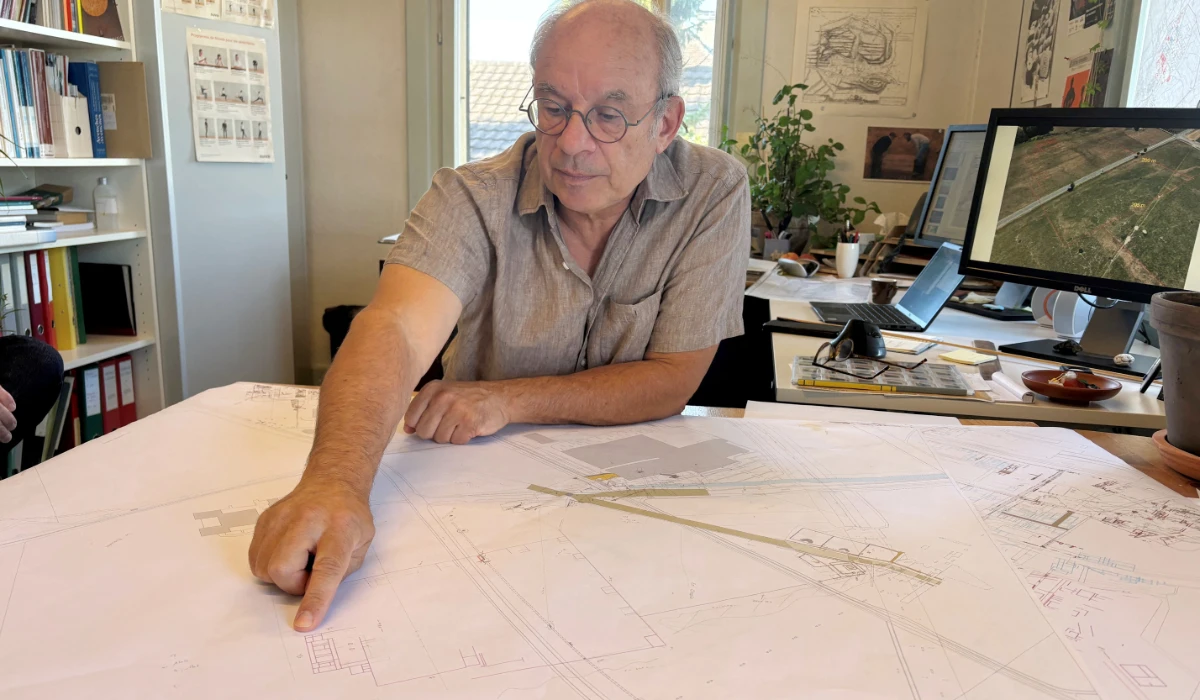
"These are the richest discoveries made there in the last 50 years, at least over the last two generations of archeologists," said Jordan Anastassov, archeologist for Vaud
AVENCHES, Switzerland: Archeologists are redrawing Roman maps of Switzerland after traces of long-buried ruins emerged as the country endured the hottest summer on record. Drought can reveal hidden archeological sites through "parch marks" created when vegetation above them withers, one of several effects of this year's heat waves, which also exposed World War 2 wrecks on riverbeds. Alerted by a history enthusiast, archeologists in the Swiss canton of Vaud used a drone to take daily images of fields around Aventicum, the former capital of Roman Helvetia, founded 2,000 years ago after Julius Cesar defeated local tribes. It is now the site of the small town of Avenches. The images revealed traces of thermal baths, houses, roads and a possiblea temple that were previously unknown or dimly understood. "These are the richest discoveries made there in the last 50 years, at least over the last two generations of archeologists," said Jordan Anastassov, archeologist for Vaud. The images revealed traces of thermal baths, houses, roads and a possible temple that were previously unknown or dimly understood, many in never-before-excavated areas of the city, which thrived under Roman rule before gradually fading as Germanic incursions increased from the third century onward. The team of five archeologists superimposed the discoveries onto maps in purple, filling blank spaces and correcting mistaken markings. "We are now asking really interesting questions we wouldn't otherwise be asking," said archeologist Hugo Amoroso. Some of the traces captured from June to August vanished after mowing and with lower temperatures, but the perimeter of a new pool in the baths is still visible in a partially withered alfalfa field as unseasonably warm weather has persisted in September.
کوکیز کے بارے میں ایک نوٹ
نیوزہنٹ آپ کو سائن ان رکھنے اور آپ کی زبان اور ملک یاد رکھنے کے لیے ضروری کوکیز استعمال کرتا ہے، تاکہ سائٹ آپ کی توقع کے مطابق کام کرے۔ آپ کی اجازت سے، ہم یہ سمجھنے کے لیے تجزیاتی کوکیز بھی استعمال کرنا چاہتے ہیں کہ لوگ نیوزہنٹ کو کیسے استعمال کرتے ہیں اور وقت کے ساتھ اسے بہتر بنانا چاہتے ہیں۔
قبول کرنا صرف تجزیات کو متاثر کرتا ہے۔ مزید جاننے کے لیے دیکھیں پرائیویسی پالیسی or شرائط و ضوابط.
(0)تبصرے