


Scissors, style and social media
Category: Entertainment
Share
Archive
Like
From celebrity makeovers to online backlash, the short-hair trend sparks fierce reactions
The changing politics of women's hair in Pakistan's entertainment industry has sparked a wider cultural debate, with actors, fans and critics clashing over personal choice, beauty standards and the growing influence of celebrity trends on young audiences.
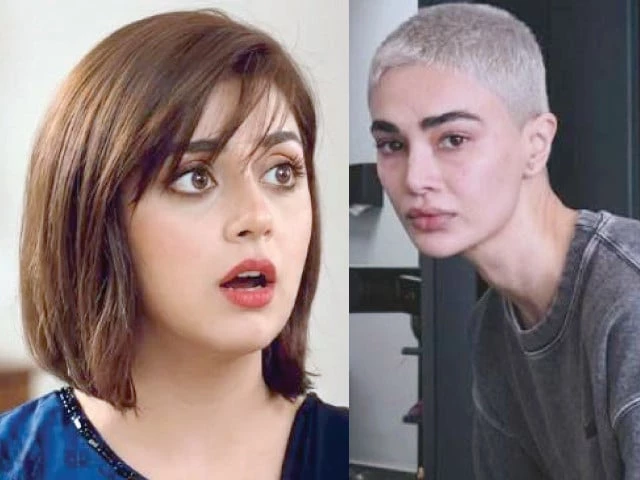
The latest round of discussion began after Alizeh Shah shared an Instagram story cautioning fans against cutting their hair simply because actresses were doing so. Her remarks quickly went viral, reopening conversations already fuelled by the recent short-hair transformations of Hania Aamir, Sajal Aly and Saboor Aly.
"For God's sake, stop sacrificing your hair," Alizeh wrote, arguing that many celebrities rely on wigs, extensions or professional styling while ordinary people often spend years growing their hair back. She went even further, calling extremely short haircuts "a kind of self-harm", a phrase that immediately divided social media users between those who saw the comment as practical advice and those who considered it unnecessarily dramatic.
What added another layer to the debate was the irony many users pointed out online. Alizeh herself had once embraced the same aesthetic during her appearance in the drama "Tanaa Banaa", where her bob-cut look became widely discussed among younger fans. Critics accused her of condemning a trend she had previously helped popularise, while supporters argued that experience had simply changed her perspective.
The conversation had already gained momentum weeks earlier when Hania Aamir revealed a striking cropped hairstyle on Instagram, instantly drawing comparisons with fellow actors who had recently adopted shorter looks.
Her post, captioned "psychologically fascinating", featured a series of carefully styled photographs alongside a reference to Meryl Streep from the film 'The Devil Wears Prada', with the phrase "That's All" attached to the image.
Fans quickly transformed the moment into an online spectacle, celebrating what many described as a bold and refreshing shift from the glamorous long-haired image commonly associated with mainstream television actresses. Makeup artists, musicians and fellow performers flooded the comments section with praise, while others tried decoding the meaning behind Hania's cryptic caption and cinematic references.
The photographs themselves contributed to the fascination. Hania appeared in relaxed, minimal settings rather than heavily stylised glamour shoots, including a bathroom mirror selfie with damp cropped hair and a cream-toned robe. The softer presentation stood in contrast to the polished celebrity imagery audiences are accustomed to seeing, making the transformation feel more personal and immediate.
As more actresses adopted similar looks, online users began referring to the phenomenon as Pakistan showbiz's emerging "short hair gang". Yet the growing trend also exposed how heavily women's appearances continue to be scrutinised in the public sphere, particularly within entertainment industries where image often becomes inseparable from identity.
That criticism was addressed directly by Saheefa Jabbar Khattak, who publicly challenged the reactions surrounding her own haircut. Speaking in a video message, she had questioned why women are repeatedly asked to justify personal decisions that men make without scrutiny.
"Would you ever ask a male actor, your father or your brother why they got a haircut?" she asked, arguing that women are constantly interrogated about clothing, education, marriage and career choices. Saheefa insisted the issue was never truly about hair alone, but about society's broader tendency to police women's decisions under the guise of public commentary.
The actor also expressed frustration that much of the backlash had come from women themselves. She said she struggled to understand why discussions about haircuts continued dominating online spaces while the country faced far more pressing social concerns. "Hair is not the discussion right now," she remarked, criticising what she viewed as shallow public priorities.
Amid the arguments, nostalgia also entered the conversation. Javeria Saud had also joined the trend a few days ago by posting an old photograph of herself sporting short hair years before social media trends existed. "When your teenage haircut becomes today's trend," she wrote, describing it as a reminder of "simple times, natural beauty, and memories that still feel so alive."
The fierce reactions surrounding something as ordinary as a haircut have ultimately revealed far more than changing fashion preferences. Beneath the celebrity posts and viral comments lies a larger conversation about autonomy, image, femininity and the pressure public figures place - intentionally or otherwise - on audiences eager to imitate them. In Pakistan's entertainment industry, hair has become more than style. It has become statement, controversy and cultural battleground all at once.
(0)Comments