


Pakistan's debt interest bill to hit Rs8 trillion this year
Category: Financial
Share
Archive
Like
Summary Pakistan's interest payments on public debt have surpassed its defence and development expenditures, placing increasing pressure on the country's finances.
Debt servicing has now exceeded both defence and development spending, reflecting the scale of Pakistan's growing debt burden.
Without effective measures to contain the growing burden, debt servicing is likely to remain one of the biggest constraints on the country's economic and fiscal planning.
AI Generated Summary
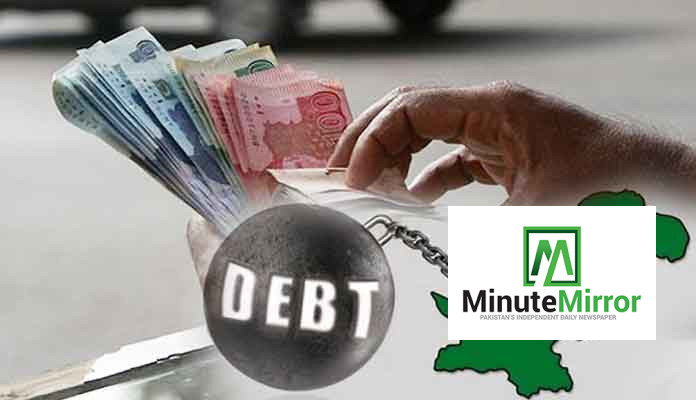
Pakistan's interest payments on public debt have surpassed its defence and development expenditures, placing increasing pressure on the country's finances. Debt servicing costs are projected to reach Rs8 trillion during the current fiscal year, according to a report published on Thursday.
The rising cost of servicing domestic and external debt has emerged as a serious risk to the country's financial system. Interest payments consume a substantial portion of the government's tax and non-tax revenues each year, leaving fewer resources available for public services, infrastructure and economic development.
According to the report, interest payments could rise to Rs10 trillion by fiscal year 2030-31. Meanwhile, the federal government is expected to be left with only Rs3 trillion after meeting its debt-servicing obligations, highlighting the growing constraints on public spending.
The burden is expected to remain high over the medium term, despite government efforts to reduce fiscal deficits through measures involving the provinces. A significant share of national resources will continue to be directed towards interest payments on domestic and foreign borrowings.
Debt servicing has now exceeded both defence and development spending, reflecting the scale of Pakistan's growing debt burden. The increase in interest payments is partly attributed to the expansion of the country's overall debt stock, which has raised the cost of meeting financial obligations.
The situation presents a major challenge for policymakers as the government seeks to balance debt repayments with spending on essential public services and development projects. Higher interest costs can also limit the funds available for investment in infrastructure, education, healthcare and other sectors.
Pakistan's ability to manage its fiscal position will depend on controlling borrowing costs, improving revenue collection and reducing the pressure of debt repayments on the national budget. Without effective measures to contain the growing burden, debt servicing is likely to remain one of the biggest constraints on the country's economic and fiscal planning.
A note on cookies
Newshunt uses essential cookies to keep you signed in and to remember your language and country, so the site works the way you expect. With your permission, we'd also like to use analytics cookies to understand how people use Newshunt and improve it over time.
Accepting only affects analytics. To learn more, view our Privacy Policy or Terms & Conditions.
(0)Comments