


The Pretty Purple Perennial That Doubles As A Great Mulch Alternative
Category: Entertainment
Share
Archive
Like
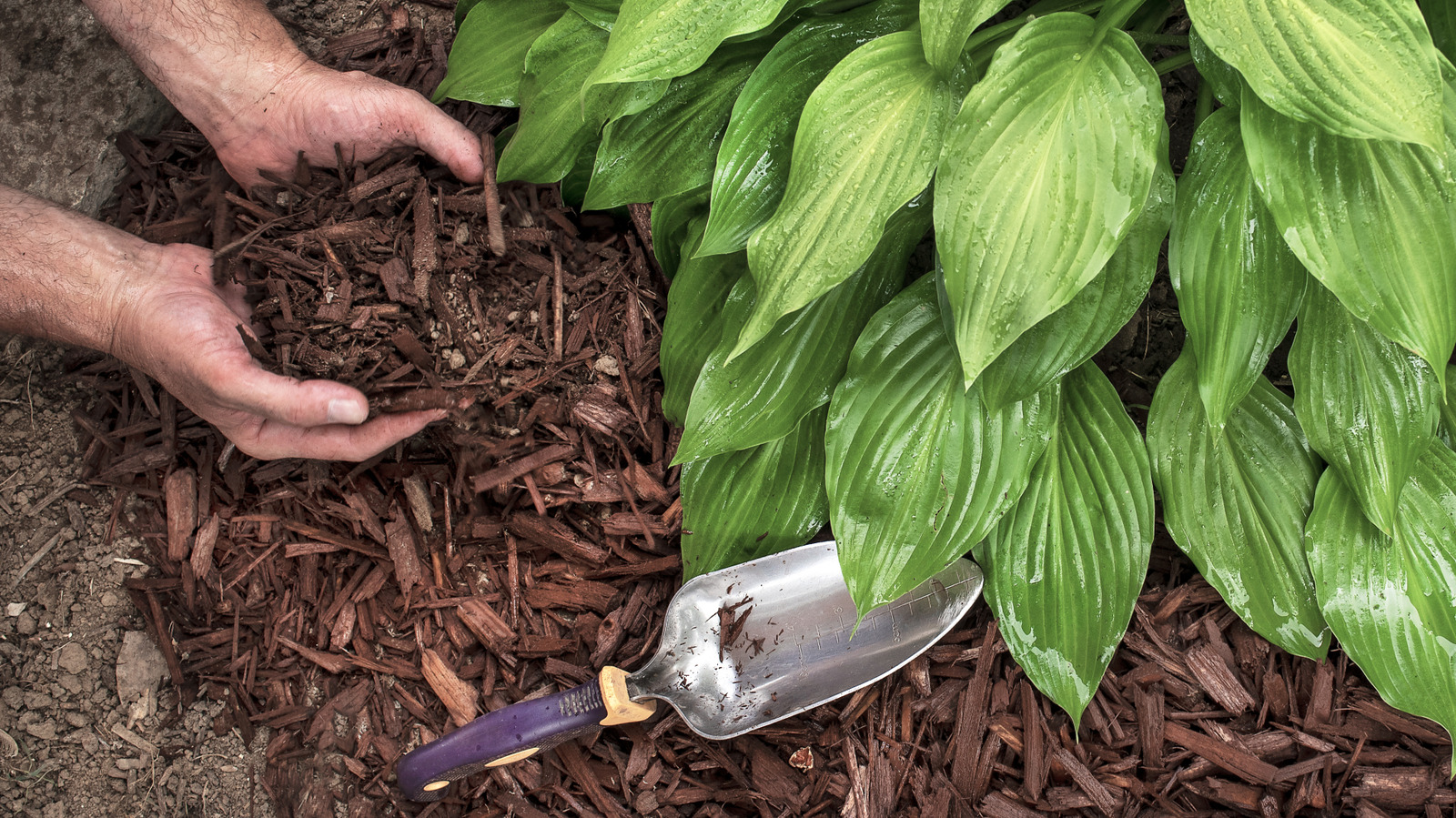
Before you head to your nearest big box retailer for a few more bags of pine bark, maybe it's time to reassess your mulching strategy. Mulch comes in many forms, and you don't always have to buy it readymade. In fact, there are quite a few living plant alternatives you can ditch mulch for, including comfrey (Symphytum officinale). This abundant plant grows up to 3 feet tall and 2½ feet wide and bears clusters of pink, purple, or white flowers in spring and summer. More importantly for your mulch supply problem, it has large, green leaves — each over 6 inches long — that you can harvest to cover the soil in your garden beds.
Comfrey is an excellent source of mulch because the plants grow and spread quickly, forming large clumps of foliage wherever they're planted. Plus, this flowering perennial makes garden soil healthier — its tap roots can grow over six feet long, allowing the plant to access nutrients deep in the soil. When the plant dies or is used as mulch, those nutrients are released back into the soil, along with nutrients from other parts of the plant. Comfrey is particularly popular among permaculture gardeners, who prioritize organic and homegrown inputs.
You can use the chop-and-drop method to harvest mulch from your comfrey patch. It's as simple as it sounds: you cut off a portion of foliage and lay it over any soil that needs some cover. If you've only just popped a few comfrey plants in your garden, leave them alone for the first year. Letting them get established will ensure strong, healthy plants. In the second year, cut the foliage back to about 2 inches from the ground while it's flowering.
Given its usefulness as mulch, gardeners in USDA Hardiness Zones 4 to 8 would be wise to add comfrey to their list of underrated herbs to try planting this season. This versatile perennial will grow in most soil types in full sun or part shade. It does best with moderate moisture, though it will survive periods of drought and grow in dry sites just fine. Plant comfrey in naturalized areas, cottage gardens, and pollinator gardens, where it will attract a host of beneficial critters, including parasitoid wasps, lacewings, and spiders. It also grows well in meadows, beside ponds, and on slopes.
Wherever you plan to grow comfrey as an alternative mulch, there's one thing to keep in mind — it spreads enthusiastically. If you want to keep it contained, grow it in a large planter. To prevent comfrey from self-seeding everywhere, grow Russian comfrey (Symphytum x uplandicum 'Variegatum'), a naturally occuring hybrid that is infertile. If you become enamored with this purple-blooming perennial plant, as many gardeners do, you'll learn that it has long been considered medicinal. However, it's unwise to experiment with comfrey in meals or teas since all parts of the plant are now considered moderately poisonous to humans. Use it to protect and feed your soil and your plants rather than yourself.
A note on cookies
Newshunt uses essential cookies to keep you signed in and to remember your language and country, so the site works the way you expect. With your permission, we'd also like to use analytics cookies to understand how people use Newshunt and improve it over time.
Accepting only affects analytics. To learn more, view our Privacy Policy or Terms & Conditions.
(0)Comments