


For Democrats, Rural Counties are Unattended, not Lost
Category: Politics
Share
Archive
Like
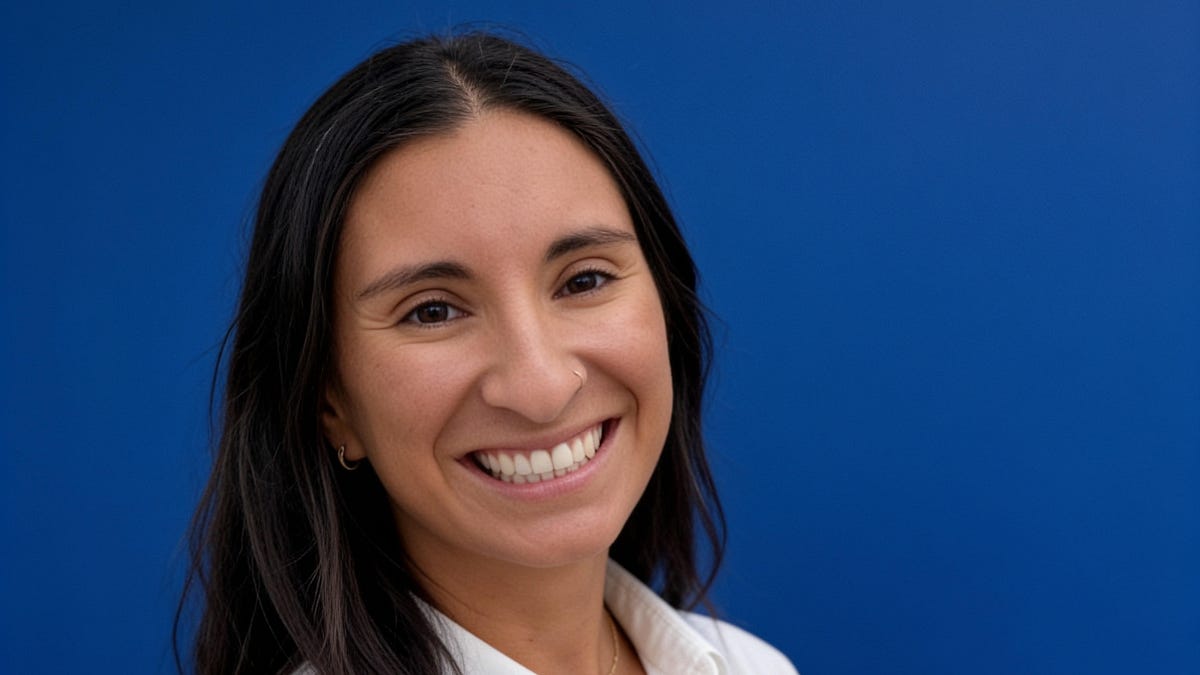
A common refrain from voters and NewDEAL Leaders across the country is that the status quo is not working. Even well intentioned programs are meaningless unless they actually work for the intended recipients. In today's post,Routt County, Colorado Commissioner Angelica Salinasoffers an important glimpse into the disconnect that too often exists between rural communities and those trying to help them. She argues that rural communities have been solving their own problems for a long time. What they need are resources to hire more people, build capacity and create plans for themselves so they can leverage even more investment and ensure that growth reflects the values and vision of the people who live there. Her piece is an important reminder that as we focus on making government work better, we'll miss the mark if those efforts aren't in lock step with the people government serves -- and that the party that figures that out will reap the benefits. -- Debbie Cox Bultan, NewDEAL CEO
Thanks for reading The Roadmap! Subscribe for free to receive new posts and support my work.
This May, a town of fewer than 900 people in my county adopted a new comprehensive plan. Oak Creek spent a year and a half on it, running focus groups and a steering committee and asking neighbors what they wanted the place to look like in five to ten years. The town paid for the plan with the help of a $100,000 state grant drawn from state severance taxes on energy and mineral production. A coal town used what extraction left behind to plan what comes after extraction.
The plan's real value is leverage, because grant applications win funding when projects already appear in comprehensive plans. A town of 900 people did not only create a document. It built itself a key. Rural America has never been the part of the country that needed saving. It is the part that has been quietly doing the saving for a long time.
I represent Routt County, a rural county in Northwest Colorado whose economy runs on tourism, agriculture, coal-fired power, and outdoor recreation. From that seat I watch two things at once. I see communities solve hard problems with limited staff and nearly no margin for error. And I see programs designed hundreds of miles away arrive in a form those same communities cannot use.
That gap is political as much as administrative. In 2024, while only about one in ten counties nationwide moved toward Democrats, about half of Colorado's sixty-four did, and some of the biggest gains came in rural counties. Rural communities are not lost. They are unattended.
The question is not what rural communities need done for them. The question is whether the people designing policy will build it so rural communities can actually use it.
Expanding opportunity means paying for hands, not only projects.The scarcest thing in a small town is not good ideas. It is people with the time to implement those ideas.
In my role, I often build local capacity that lets rural communities act for themselves. For example, I helped create a new housing authority this past year, so a rural part of our county now has its own seat at the table and can shape what attainable housing looks like for them.
In one recent grant cycle, our state funded a broadband director for the regional council of governments that serves us, which is money spent on a person rather than on concrete. Why? Because a rural community that can hire qualified individuals will gain far more than those positions cost. A rural community without one will lose opportunities it deserved.
Most states have funding for projects. However what is more rare and should be carved out more often, is rural funding for staff capacity and shared regional positions. A county of 10,000 may not be able to fund a grants department. Six counties together can.
Strengthening infrastructure means investing in things before they break.In one recent round of our state's energy and mineral impact fund, over half the awards went to drinking water and wastewater. Rural counties were able to replace aging cast-iron water lines and water districts developed master plans so their systems do not fail.
This summer a wildfire in my county forced evacuations, and word had to reach households spread miles apart in a place where cell service drops out frequently. Watching what it takes for a local government to reach people under those conditions, you stop calling broadband a convenience.
That fund also carries a lesson worth exporting. Colorado sends a share of severance tax revenue back to the communities that absorbed the impact of producing energy and minerals. Rural places supply cities with water, food, power, and the gravel under their roads, and this is one of the few mechanisms running the value in the other direction.
Preserving what makes a place unique means planning for the growth we want.Ask ten people in a small town what they want preserved and you will hear ten answers. Open space and working ranchlands. A main street where you know the person behind the counter. A quality job our kids can come back home for.
Growth, in many ways, is arriving for rural communities. Communities that have written down what they value get to shape that growth. Communities that have not get shaped by it. That is why planning grants belong near the top of any rural agenda, even though nobody cuts a ribbon on one. A hundred thousand dollars for a plan in a town of 900 becomes millions in infrastructure that town could not otherwise win.
Rural communities are not a problem to manage. They are a constituency that has been solving its own problems with almost no help, and they will notice the party that finally shows up to help them do it.
Thanks for reading The Roadmap! Subscribe for free to receive new posts and support my work.
A note on cookies
Newshunt uses essential cookies to keep you signed in and to remember your language and country, so the site works the way you expect. With your permission, we'd also like to use analytics cookies to understand how people use Newshunt and improve it over time.
Accepting only affects analytics. To learn more, view our Privacy Policy or Terms & Conditions.
(0)Comments