


Cabo Delgado Displacement Nears One Million as Mozambique Crisis Enters Tenth Year
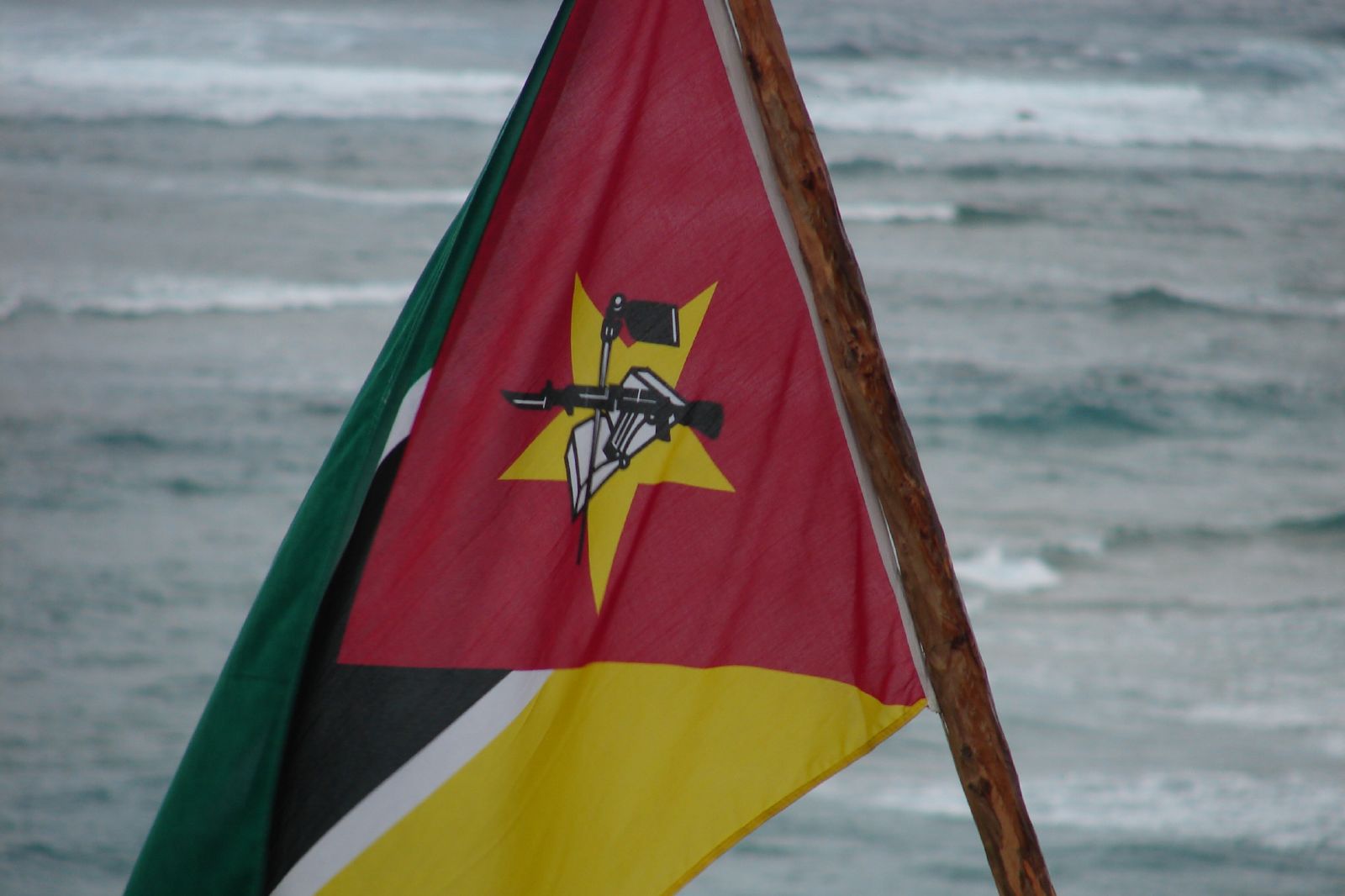
Category: Blend
Share
Archive
Like
Nearly one million people remain displaced across northern Mozambique as a prolonged armed conflict in Cabo Delgado Province continues. Humanitarian agencies report mounting protection risks, severe funding shortfalls, and overlapping climate shocks that continue to block safe returns for vulnerable communities.
Displacement Patterns and Mounting Risks Across Cabo Delgado
Roughly 945,000 individuals have been driven from their homes within Cabo Delgado Province, according to the UN Office for the Coordination of Humanitarian Affairs. The protracted nature of the insurgency means that almost all displaced residents have endured multiple rounds of displacement since non-state armed groups launched their insurrection in the gas-rich coastal province in 2017.
As part of World Humanitarian Day observations on August 19, 2026, the UN Humanitarian Coordinator for Mozambique, Dr. Catherine Sozi, highlighted the severe impact of the ongoing violence on civilians and aid workers alike. Regional instability involves persistent raids, kidnappings, and extortions along essential travel routes, mines, and coastal areas, restricting both civilian livelihoods and humanitarian delivery.
Humanitarian organizations point to heightened dangers of family separation, missing civil documentation, and gender-based violence, disproportionately affecting women, children, and elderly residents. Overcrowded host communities and displacement sites have placed intense strain on available water systems, sanitation infrastructure, and local health services.
Children remain exceptionally vulnerable to the crisis. UN agencies reported that more than half of those displaced during a major wave in 2025 were children, with ongoing documentation of child abductions carried out by armed factions in the region.
Escalating Conflict and Spreading Insecurity
Violence tied to the non-state armed groups continued to expand during the first half of 2026. Data compiled by humanitarian monitors indicates that conflict incidents in Cabo Delgado increased by 10 per cent during the first six months of the year compared to the same period in 2025.
Photo: ReliefWeb
Civilians bore the brunt of the hostilities, being targeted in approximately 70 per cent of reported incidents, which included targeted killings, abductions, home lootings, and property destruction. Insecurity has progressively crept beyond traditional strongholds into previously less-affected districts such as Balama, Namuno, and Montepuez, pushing outward toward the Niassa Special Reserve.
Between January and August 2026, roughly 29,564 people were newly displaced across northern Mozambique, including 1,401 displacements recorded during August alone. Women and children constituted nearly 79 per cent of those recorded movements, underscoring the demographic toll of the ongoing clashes.
Converging Pressures From Climate Shocks and Drought Forecasts
Northern communities struggling to recover from floods and cyclones now face additional environmental threats. Forecasts from the National Institute of Meteorology point toward a potentially strong El Niño weather pattern, which threatens to bring increased drought risks to central and southern districts alongside heightened flood and inundation hazards in the north.
Photo: Theowp
A recent study conducted by the International Organization for Migration in Cabo Delgado and Manica demonstrated that climate shocks exacerbate vulnerabilities among internally displaced persons while imposing further burdens on host populations. Competition over diminishing land, water, livelihoods, and aid risks intensifying local tensions if left unaddressed.
In response to these compounding climate threats, the government has activated Anticipatory Action Plans across 28 districts. These preparedness measures include reinforcing early warning systems, pre-targeting vulnerable households, pre-positioning agricultural supplies, and training farmers in drought-tolerant, climate-smart practices.
Funding Gaps and Unmet Humanitarian Needs
Despite the scale of suffering across northern Mozambique, international attention and financial support remain limited. According to OCHA estimates, fulfilling the broader humanitarian requirements across the country requires US$348 million, with $265 million specifically targeted to assist the 919,000 most vulnerable individuals living in areas of acute need.
300,000 people displaced in northern Mozambique • FRANCE 24 English
Broader financial tracking reveals that as of August 2026, the overall Humanitarian Needs and Response Plan received US$227 million, representing 42.6 per cent of the US$534 million required to manage combined conflict and flood responses.
The shortfall directly limits field operations. Linha Verde received 4,200 requests for assistance from vulnerable communities, but service providers could address only half of those inquiries, leaving the remainder unfulfilled due to acute funding constraints and service gaps.
Related
A note on cookies
Newshunt uses essential cookies to keep you signed in and to remember your language and country, so the site works the way you expect. With your permission, we'd also like to use analytics cookies to understand how people use Newshunt and improve it over time.
Accepting only affects analytics. To learn more, view our Privacy Policy or Terms & Conditions.
(0)Comments