


Climber Dies on Castle Peak Near Aspen, Second Elk Mountains Fatality in Days
Category: Blend
Share
Archive
Like
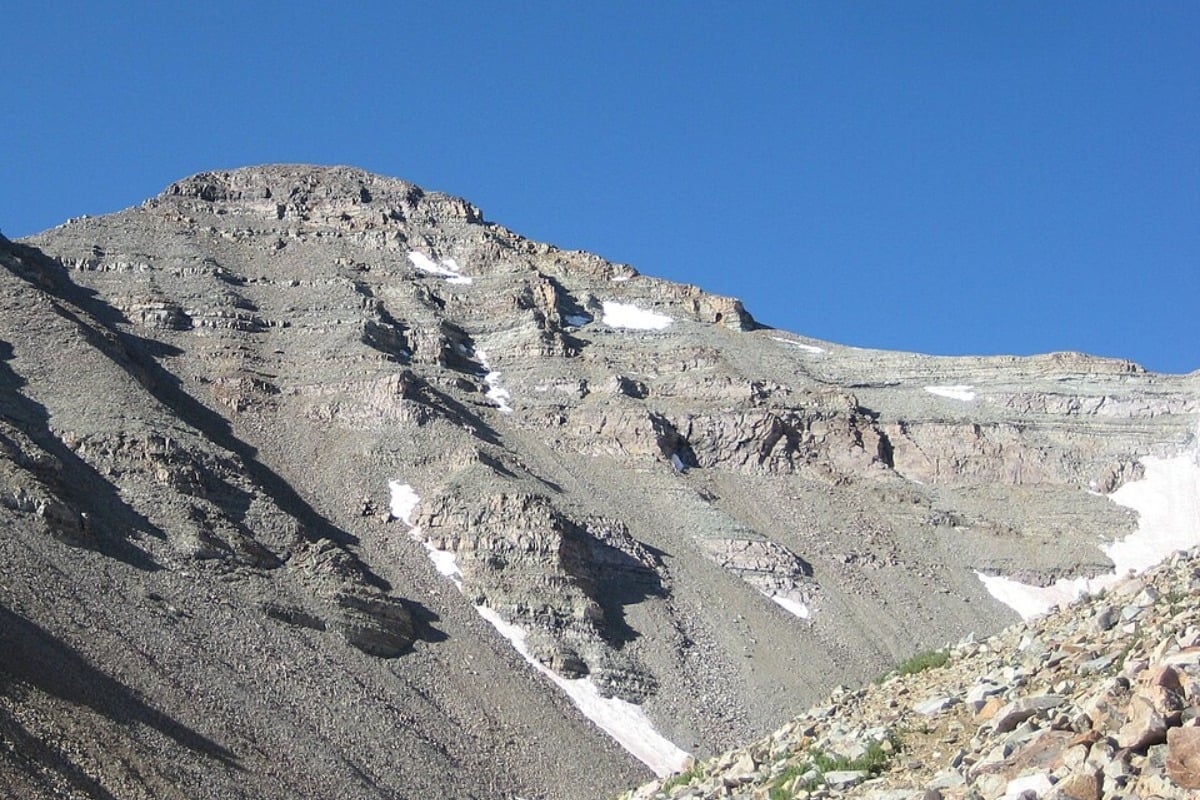
A climber died Sunday after falling on the north face of Castle Peak, a 14,274-foot mountain between Aspen and Crested Butte, capping a grueling rescue effort that stretched into the night. Rescue crews reached the climber shortly before 4 p.m. and determined the injuries were not survivable, according to officials who responded to the scene.
The Gunnison County Sheriff's Office was notified of the fall on Sunday and requested assistance from the Pitkin County Sheriff's Office shortly after noon, according to The Denver Post. Mountain Rescue Aspen deployed 21 members to the upper Montezuma parking lot, using off-road vehicles to reach the mountain's approach before a Flight for Life helicopter located the climber from the air. The helicopter then returned to Aspen to bring in additional Mountain Rescue Aspen team members before crews completed a technical lowering system to evacuate the climber, with the team leaving the mountain at 8:14 p.m. The climber remained unidentified as of the Post's reporting.
A separate account of the operation, posted on 14ers.com, adds that rescuers reached the climber at 3:58 p.m. before the extraction wrapped up by 8:14 p.m., with Mountain Rescue Aspen coordinating directly with both the Pitkin and Gunnison County sheriffs throughout the high-altitude recovery.
The Castle Peak fall came three days after another climber was found dead in technical terrain off the standard route on nearby Maroon Peak, according to the Denver Post's account of the Gunnison sheriff's report. Searchers located that climber on September 3 after following clues found inside an unattended rental vehicle, as reported by the Denver Gazette. The back-to-back fatalities, on adjacent peaks within the same mountain range, underscored how quickly the Elk Mountains' late-summer conditions can turn deadly.
In response to the Maroon Peak recovery, the U.S. Forest Service issued a temporary closure order prohibiting all public climbing access on the peak for Tuesday, a measure meant to keep both the public and rescue personnel safe from loose rock displaced during body recovery operations, per the agency's forest order. The closure highlights the administrative steps land managers now routinely take after fatal alpine accidents in the range.
Castle Peak's standard route via Montezuma Basin is rated Class 2, generally gentler than the technical scrambling found on neighboring Capitol Peak or the Maroon Bells, but the mountain still carries loose sedimentary rock and steep snow routes such as the Class 3 Conundrum Couloir, according to 14ers.com's route notes. That terrain, even on a comparatively moderate route, can still produce the kind of fall that proved fatal Sunday.
The Elk Mountains have seen a string of severe falls this season. On August 16, a 28-year-old climber survived a 500-foot fall on the technical traverse between Maroon Peak and North Maroon Peak, a route Outside Magazine describes as involving Class 5 scrambling on notoriously fractured rock — an incident Hoodline previously covered after a helicopter airlift. Back in May, 11 Mountain Rescue Aspen volunteers executed a technical rope lowering after a climber survived an estimated 1,000-foot slide down the Bell Cord Couloir between the Maroon Bells, a rescue Hoodline also reported at the time.
Mountain Rescue Aspen and local sheriffs' offices do not charge victims or their families for backcountry search and rescue operations, a policy meant to prevent climbers from delaying emergency calls out of fear of cost. The missions rely on volunteer personnel backed by local tax funds and state coordination. Pitkin County's annual community volunteer award is named for Greg Mace, a Mountain Rescue Aspen volunteer who died during a 1986 training mission on North Maroon Peak, a history that underscores the risks the organization's volunteers themselves continue to face.
The pattern extends beyond the Elk Mountains. On August 2, search teams deployed a National Guard Black Hawk helicopter hoist to rescue a climber who fell on the Blanca–Little Bear traverse in the Sangre de Cristo Mountains, a rescue Hoodline reported at the time, showing that technical 14er traverses across Colorado frequently require military aviation support when falls occur.
Despite the run of serious accidents, statewide foot traffic across Colorado's 14,000-foot peaks fell to 256,000 hiker-use days in 2025, a 10-year low in overall peak visitation, according to Colorado Fourteeners Initiative estimates reported by The Colorado Sun. Even with fewer hikers overall, the technical routes threading through the Elk Mountains continue to generate some of the state's most demanding rescue calls. The identity of the climber who died on Castle Peak had not been released as of Sunday night.
A note on cookies
Newshunt uses essential cookies to keep you signed in and to remember your language and country, so the site works the way you expect. With your permission, we'd also like to use analytics cookies to understand how people use Newshunt and improve it over time.
Accepting only affects analytics. To learn more, view our Privacy Policy or Terms & Conditions.
(0)Comments