


How do the different seasons affect pest behaviour?
Category: Entertainment
Share
Archive
Like
Unfortunately pest control is a year round effort. Fortunately, because infestation rates align with nesting habits, pest behaviour is pretty predictable.
Knowing what pests to protect your home against at different times of the year helps you to keep on top of any possible infestations and spot the tell-tale signs early.
Why do different seasons attract different pest problems?
Temperature changes, rainfall and access to food and water all trigger different biological instincts like hibernation, mating and migration. This means that different seasons will affect how different pest problems impact your home.
Colder weather forces rodents and insects into your home, while warmer weather means bigger colonies and nests.
Winter pests
In winter, cold, wet weather forces animals and insects into survival mode. The freezing conditions mean a lack of food sources as they disappear or freeze over. This drives rodents and insects inside your home for warmth, food and shelter from the elements. There, they'll remain hidden until spring.
Common winter pests include: Mice
Rats
Bed bugs
Moths
Pigeons
Cockroaches
Preventing winter pests: Store dry and leftover foods in glass or plastic containers that can be tightly sealed with secure lids.
Regularly check dark, humid areas like basements, attics and plumbing for leaks or signs of pest activity.
Clear out storage spaces like attics and garages. Undisturbed spaces are the most attractive to nesting rodents and insects.
Vacuum around floorboards, skirting boards and dark corners to prevent bed bugs, beetles and carpet moths.
Spring pests
As the temperatures begin to rise, spring is the time for animals and insects to awaken and breed. The warm air wakes hibernating animals from dormancy and allows them to begin foraging for food and building nests. Your home offers constant food and cosy spaces away from predators, perfect for starting to expand the colony again after winter.
Common spring pests include: Ants
Moles
Moths
Pigeons
Gulls
Cockroaches
Wasps
Bees
Flies
Bed bugs
Preventing spring pests Clear standing water from gutters, planters and low dips in your garden.
Seal any new cracks or holes in your home's walls and foundations with caulk.
Cut back tree branches and vegetation so they are at least 12 inches away from your home's sidings.
Summer pests
Summer means peak pest activity and reproduction. The high temperatures speed up insect life cycles and metabolism. This means they're more active, so you're more likely to see them around your home and garden. Insect colonies are usually at their largest and in desperate need of food, so they're after any outdoor BBQs, picnics or blooming plants you have to offer.
Common summer pests include: Ants
Wasps
Bees
Pigeons
Gulls
Flies
Bed bugs
Moles
Moths
Cockroaches
Preventing summer pests: Seal rubbish tightly and clean out any packaging or containers before disposing of them.
Use insect screens to cover open windows and exterior doors.
Check your and your pet's bedding for bugs and fleas.
Keep an eye on your outdoor structures and vegetation for insect activity and nests. Managing small nests and colonies is much easier than fully developed ones.
Autumn pests
After summer, there is a drop in insect numbers and a pivot toward indoor migration to prepare for winter. The income of cooling air signals the approaching winter and any existing nests or colonies move into your home to find dry, warm shelter, hidden nesting spots and food.
Common autumn pests include: Wasps
Flies
Bed bugs
Moths
Mice
Rats
Pigeons
Cockroaches
Preventing autumn pests Clear fallen leaves, rotten fruit and debris away from your home.
Store heavy clothing, duvets and silk textiles in airtight, sealed containers.
Look around your property to check for gaps and holes.
When to call a professional
Even when you're taking preventative measures, your property can still become infested. Less green spaces and more housing means rodents and insects have less room to live, forcing them to find shelter in your garden, shed, garage or house.
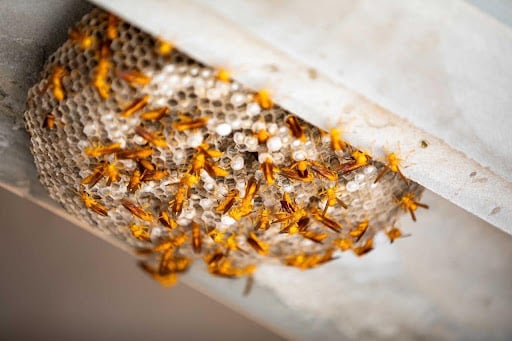
But when an infestation spirals out of control you should always call a professional pest control specialist. Particularly tasks like bee and wasp nest removal should not be attempted yourself.
Final thoughts
Different seasons present different pest problems. Knowing what you're up against can help you to pest-proof your house. However, some critters can get through gaps smaller than the eye can see, so you can't always guarantee your home will be exempt from infestation.
If your home is infested and you can't get it under control, you should call a pest control expert immediately to prevent any structural damage or health-risks.
A note on cookies
Newshunt uses essential cookies to keep you signed in and to remember your language and country, so the site works the way you expect. With your permission, we'd also like to use analytics cookies to understand how people use Newshunt and improve it over time.
Accepting only affects analytics. To learn more, view our Privacy Policy or Terms & Conditions.
(0)Comments