


Kenya pushes stronger protection of critical infrastructure against terror threats
Category: Politics
Share
Archive
Like
NAIROBI, Kenya, Sep 8 — Kenya is stepping up efforts to protect critical infrastructure and public spaces from terrorist attacks as security officials and international experts call for a shift from reactive measures to integrated systems capable of preventing, responding to and recovering from attacks.
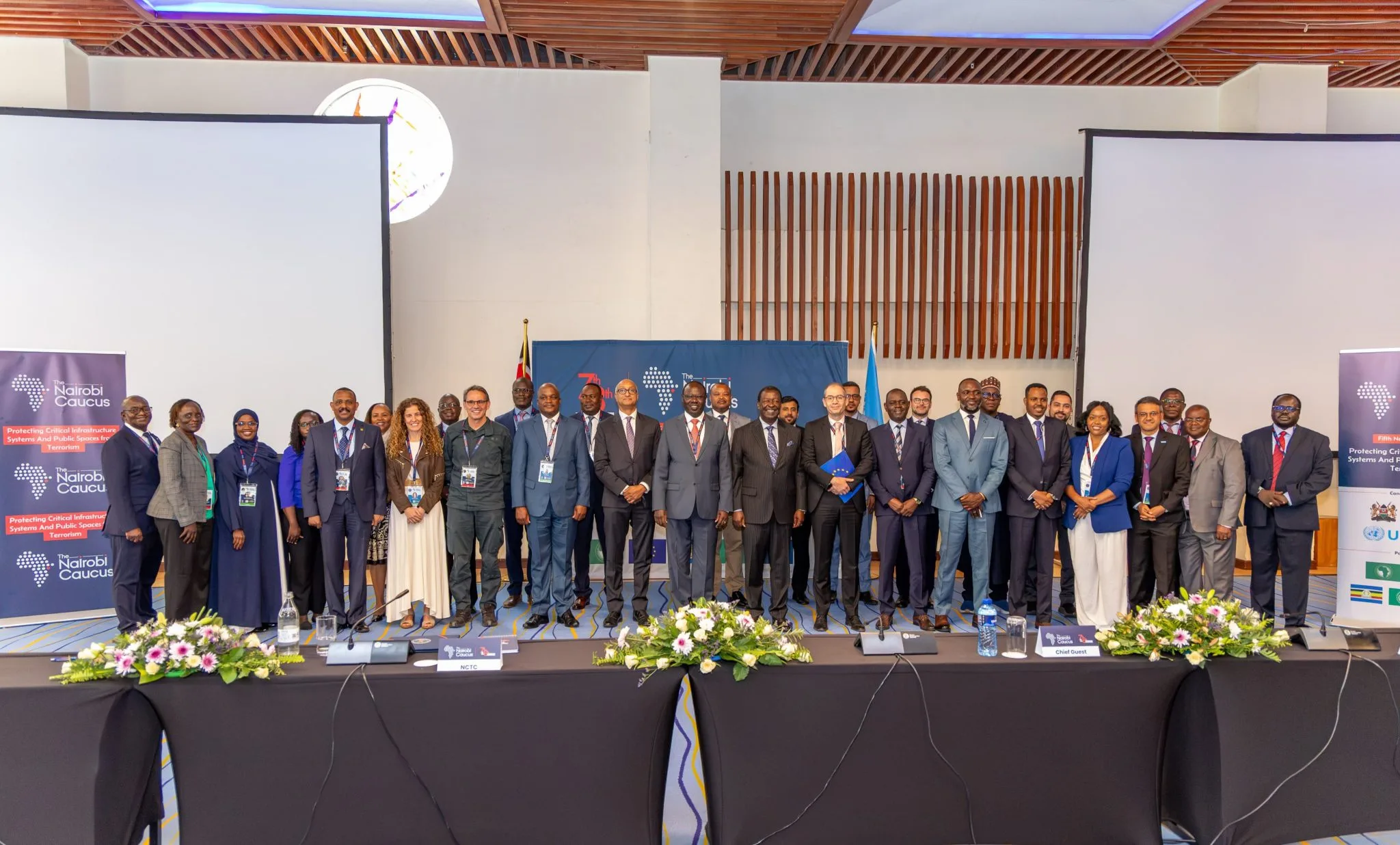
The push emerged during the Fifth Nairobi Caucus, jointly convened by the National Counter Terrorism Centre (NCTC) and the United Nations Office of Counter Terrorism (UNOCT), which brought together about 200 participants from 24 countries.
Held in Nairobi from September 7 to 8 under the theme 'Protecting Critical Infrastructure Systems and Public Spaces from Terrorism,' the forum focused on strengthening cooperation to secure infrastructure and services that underpin economies and everyday life.
Prime Cabinet Secretary and Cabinet Secretary for Foreign and Diaspora Affairs Musalia Mudavadi said the issue was particularly important as Kenya undergoes rapid infrastructure development.
'Our dams, railways, digital assets, energy infrastructure, health systems and stadia, are critical infrastructure that should be protected from terrorists' attacks,' Mudavadi said.
Mudavadi said the theme was both 'timely and relevant' given Kenya's expanding infrastructure network, highlighting the need to ensure that new and existing facilities are adequately protected against terrorist threats.
The two-day meeting brought together policymakers, security practitioners and experts to assess evolving terrorist threats, share national experiences and explore practical approaches to protecting critical infrastructure and public spaces.
Participants called for governments to move beyond site-specific security arrangements towards broader systems that integrate risk assessment, protective security, preparedness, inter-agency coordination, operational continuity, emergency response and recovery.
UNOCT Deputy Director Steven Sequeira said protecting critical infrastructure goes beyond securing physical sites, requiring governments and other stakeholders to safeguard the systems and services on which societies depend.
'Protecting critical infrastructure and public spaces means protecting the systems, services and places that societies depend on every day,' Sequeira said.
He said effective protection requires 'risk-informed preparedness, strong public-private partnerships' and the ability to prevent, mitigate, respond to and recover from terrorist attacks.
The discussions also focused on the growing role of the private sector, with participants stressing stronger cooperation between governments, businesses, regional bodies and international partners.
Breakout and plenary sessions examined risk management, security-by-design, multi-agency coordination, business continuity, incident response and recovery.
Participants also considered the implications of new and emerging technologies for the protection of critical infrastructure and public spaces, reflecting the changing nature of security threats facing governments and businesses.
The Fifth Nairobi Caucus builds on four previous editions held since the initiative was launched in 2022.
The annual forum provides an informal and consultative platform for Member States, regional organisations and international partners to exchange counter-terrorism experiences, assess emerging regional priorities and identify areas for stronger cooperation.
The latest meeting brought together representatives from 24 Member States, 11 regional organisations, UN entities, international partners and other stakeholders, underscoring the growing emphasis on coordinated approaches to protecting infrastructure from terrorism.
A note on cookies
Newshunt uses essential cookies to keep you signed in and to remember your language and country, so the site works the way you expect. With your permission, we'd also like to use analytics cookies to understand how people use Newshunt and improve it over time.
Accepting only affects analytics. To learn more, view our Privacy Policy or Terms & Conditions.
(0)Comments