


Islamabad to get New Water Source after 3 decades as CDA moves ahead with Shahdara Dam
Category: Business
Share
Archive
Like
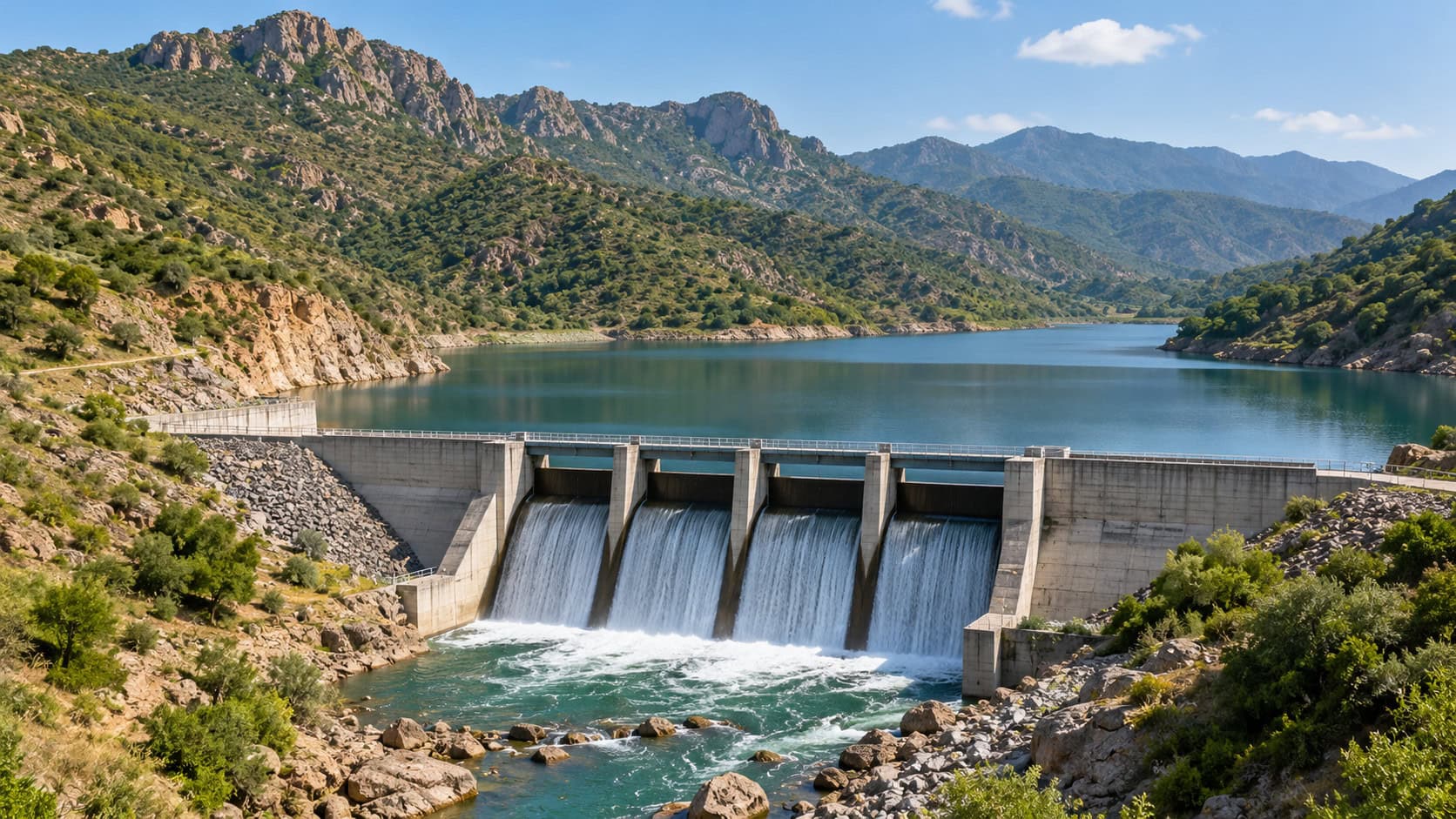
ISLAMABAD (Daily Pakistan) – With Pakistani capital struggling to meet water needs of a rapidly expanding population, the Capital Development Authority (CDA) has taken a major step towards building the capital's first significant new surface-water source in nearly three decades, launching the procurement process for the long-awaited Shahdara Dam project.
The proposed Rs3.62 billion development will help Islamabad with daily water demand of 250 million gallons, while CDA's existing network supplies only around 70 million gallons. The staggering gap of approximately 180 million gallons per day has placed growing pressure on the city's aging infrastructure, leaving many communities dependent on underground water resources and alternative arrangements.
CDA Chairman Sohail Ashraf confirmed that the authority is advancing Shahdara Dam project, with construction expected to begin once the tendering and contractor selection process is completed.
Located along Shahdara stream near the famous Shahdara picnic spot in the Margalla Hills foothills, the planned reservoir is expected to supply an additional 5 to 10 million gallons of water daily, offering some relief to Islamabad's overstretched water distribution system. Although the approved project planning document, known as PC-I, provides a two-year completion period, CDA is aiming to complete the dam in approximately 20 months.
The authority initiated prequalification for an Engineering, Procurement and Construction (EPC) contract in October 2026, inviting interested firms to submit applications through the electronic procurement platform EPADS. The initial notices appeared around October 12, followed by a corrigendum, with the application deadline falling around October 28.
Construction, however, has not yet started. The project must first pass through the remaining procurement, technical and contractual requirements. The dam's preliminary estimated cost stands at Rs3.62 billion, though the final financial outlay could change depending on detailed engineering work, land requirements, water conveyance infrastructure and treatment facilities.
The project is designed to capture rainwater flowing through Shahdara stream, turning runoff that would otherwise pass through the area's natural drainage channels into a usable water resource. Earlier feasibility assessments outline a concrete gravity dam approximately 33 metres high and 68 metres long. Its reservoir would cover roughly 25 acres, with a gross storage capacity of around 690 acre-feet, equivalent to approximately 225 million US gallons.
The project has a lengthy planning history. The Water and Power Development Authority (WAPDA) completed its feasibility assessment, which was provided to CDA earlier in 2026, while engineering consultancy NESPAK has been involved in planning and design activities.
Land surveys and acquisition arrangements have also formed part of the preparatory work, including survey-related involvement by SUPARCO. The final specifications and operational water yield will depend on detailed design and hydrological assessments.
Islamabad's growing water crisis presents a striking contradiction: the city receives substantial annual rainfall but continues to experience persistent supply shortages. With average annual rainfall estimated at approximately 1,100 millimetres, Islamabad receives considerable water during the monsoon season. Yet much of this runoff travels through streams and drainage channels without being retained for future consumption.
Beyond Shahdara, the civic agency is preparing another major push to conserve rainwater and replenish Islamabad's declining groundwater reserves. CDA Chairman Sohail Ashraf has outlined plans for four smaller check dams in the Margalla Hills foothills, with proposed locations including D-12, Shah Allah Ditta and Saidpur.
The authority is also exploring two other reservoirs that could significantly strengthen water availability in Islamabad and adjoining areas. Chinot Dam, proposed within the Simly Dam catchment, is intended to capture additional water that might otherwise escape during periods of heavy rainfall.
Pakistan Water Week to begin on Nov 2 in Islamabad
A note on cookies
Newshunt uses essential cookies to keep you signed in and to remember your language and country, so the site works the way you expect. With your permission, we'd also like to use analytics cookies to understand how people use Newshunt and improve it over time.
Accepting only affects analytics. To learn more, view our Privacy Policy or Terms & Conditions.
(0)Comments