


How to improve home security in a graded property
Category: Entertainment
Share
Archive
Like
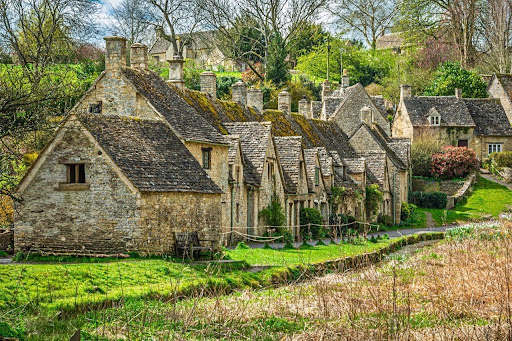
Living in a graded or listed heritage home means you're surrounded by beautiful architecture, and probably living in something from a fairytale. While this is great in theory, it can make some of the practical worries of a home-owner more difficult to resolve.
Graded and listed heritage homes can have strict regulations on the changes you're allowed to make to the property. This makes improving home security for example, a bit tricky. It's all about striking a balance between modern protection measures and abiding by conservation rules.
If you're struggling to make your older home feel more secure, here's some regulation-friendly upgrades to consider.
What does having a graded or listed heritage home mean?
Having a graded or listed heritage home means your property is officially recognised as having architectural or historic interest and importance. Because of this, it's placed on a national register and is legally protected so it can be preserved for the future.
What grade your property is listed at decides how protected it is: Grade I are buildings of exceptional significance and interest.
Grade II* are important buildings of more than special interest.
Grade II are buildings of special interest. This is the most common grade of listing.
Before beginning any work, verify your grading and obtain planning permission where necessary. Consult your local council and your insurer to see what your options are, and if there are required standards your home must meet.
How to improve your home security:
Install reversible tech
When upgrading security on a protected property, it's a good idea to focus on reversible changes. Using modern tech is a great way to keep an eye on what's going on around your home, and prevent intruders from targeting your property.
Wireless alarms, cameras and motion detectors are the best to use because there's no wires to be run through the walls. This makes installation simple. If you eventually move house or need to change the direction of a camera you can do this without any complex construction work.
Specialised security
Securing your windows is just as important as your doors. Even small windows should be locked at night or when leaving the house. Depending on your window shape, you can buy specialised locks that limit the use.
For example, you can buy restrictors made just for sash windows that prevent your windows from being forced open from the outside. This is a simple adjustment that doesn't affect the house's appearance but greatly improves your safety.
Upgrade locks where possible
Where possible, fit mortice deadlocks on your home's exterior doors. But remember to talk with your insurance provider about lock requirements before upgrading. In the scenario your door is not allowed to be drilled, consider approved secondary security bolts or surface mounted restrictors.
If you're concerned about finding a lock that satisfies your security requirements without causing damage, search for 'reputable locksmiths near me '. And you'll be put in touch with a professional who can come to your home and advise you on your best option.
Improve exterior lighting
Placing motion-activated LED security lights deters intruders and keeps visibility good around your property. Most graded homes are historical, and so aren't surrounded by great lighting.
Take care to place any security lighting away from vulnerable features like thatched roofing. Opt for battery-powered lighting to avoid complicated installation and overheating.
Gravel pathways
An easy way to add security to your home, without any construction work, is to use gravel on pathways and near entry points. This makes it more difficult for people to approach your house unnoticed. The noisy gravel will alert you if someone is lurking outside.
Final thoughts
Improving a graded home's security is a tricky task. You want to protect your property and household, but are restricted by regulations. But you shouldn't forget about burglar-proofing your house altogether.
Instead, focus on non-invasive upgrades. Think wireless alarms, cameras, battery-operated LED lights, motion sensors, specialised window locks and landscaping. These methods deter intruders while maintaining the original appearance of the property.
When you're not sure which methods will work best, contact a locksmith to assess which security measures can be put into place for you.
A note on cookies
Newshunt uses essential cookies to keep you signed in and to remember your language and country, so the site works the way you expect. With your permission, we'd also like to use analytics cookies to understand how people use Newshunt and improve it over time.
Accepting only affects analytics. To learn more, view our Privacy Policy or Terms & Conditions.
(0)Comments