


Horror Headspace: Why Does Horror Keep Making Us Get in the Water?
Category: Entertainment
Share
Archive
Like
Horror Headspace is where we get into the weird things horror does to our brains and why we react to it the way we do.
This is Part Two of a four-part Horror Headspace series on the elements: Fire, Water, Earth and Air. Last week we burned everything down. This week we're getting in the water, which already feels like a terrible decision.
Horror Concierge is for horror fans who want to understand not just what they love, but why and what that says about them. Join the Horror Concierge crew for weekly horror recommendations and conversations that go way beyond what to watch next.
I've watched enough horror movies to know that if I'm standing on a dock in the middle of the night and hear something splash, I'm going home. I'm not investigating. I'm not leaning over the edge with my phone flashlight. And I amdefinitelynot getting in the water.
Horror characters hear one mysterious bloop and suddenly everybody's Michael Phelps.
Why??
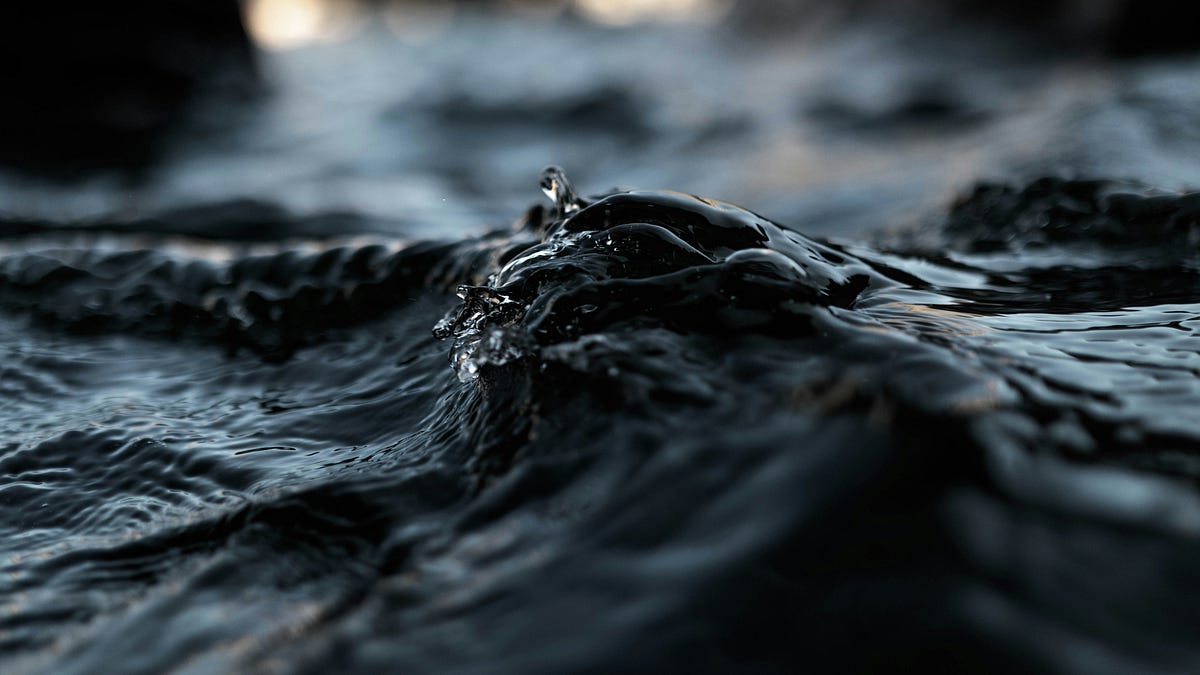
Nothing about dark water says come on in. You can't see what's underneath you. You don't know how deep it is. Something touches your foot and your friend says, 'It was probably seaweed.'
PROBABLY? Uh, no thank you.
And yet horror can't leave water alone.
Oceans. Lakes. Swimming pools. Caves. Flooded houses. If there's enough water for something horrible to hide in, horror will find a way to put somebody in it.
You don't even need to have seenJawsto know whatJawsdid to swimming.
You're in the ocean. Something brushes against your leg. Your brain doesn't stop to calculate the actual odds. It's a shark. Obviously. And for a lot ofJaws, you can't see the shark coming.
You're watching people swim around having a perfectly normal day while knowing there's a giant shark somewhere underneath them. And that's plenty. Not being able to see what's down there is half the problem. You can stare directly at the surface and have absolutely no idea.
Being scared of what might be in the water is one thing. Actually being in there with it is worse.
You can't move the way you normally do. You can't see very far. If you're underwater, you can't even breathe without equipment. And if something is coming toward you, good luck.
That's what gets me aboutThe Shallows. Nancy can see the shore.It's right there.She knows exactly where she needs to go and still can't get there because there's a shark between her and dry land.
Open Watertakes away even that comfort. Daniel and Susan surface after a dive and the boat is gone. Now they're just floating in the ocean with no idea when or if anybody is coming back for them.
That scares me more than almost anything you could put in the water. Because now we don't even need a monster.
This is whereThe Deep Housecomes along and combines two things I already don't trust in horror.
A creepy old house and being underwater. Who approved this?
Ben and Tina go diving to explore a house at the bottom of a lake. I would've seen that house, said absolutely not, and gone back to wherever we were staying.
But they go inside.
Now they have everything that comes with being trapped in a creepy house, except they can't breathe without an oxygen tank and getting out isn't as simple as running for the door.
Water already puts us at a disadvantage before horror even adds anything to it. You can't move the way you do on land. Even breathing has a time limit.
Then horror adds the shark or the ghost or whatever the hell else it has waiting down there.
Aquatic horror has a way of following you out of the movie and into actual water. And I think there's a reason it can get away with that better than almost anything else in horror.
If this is how you like talking about horror too, become a paid Horror Thinker of Horror Concierge and keep reading.
A note on cookies
Newshunt uses essential cookies to keep you signed in and to remember your language and country, so the site works the way you expect. With your permission, we'd also like to use analytics cookies to understand how people use Newshunt and improve it over time.
Accepting only affects analytics. To learn more, view our Privacy Policy or Terms & Conditions.
(0)Comments