


How 'Star Trek' helped invent the future
Category: SciTech
Share
Archive
Like
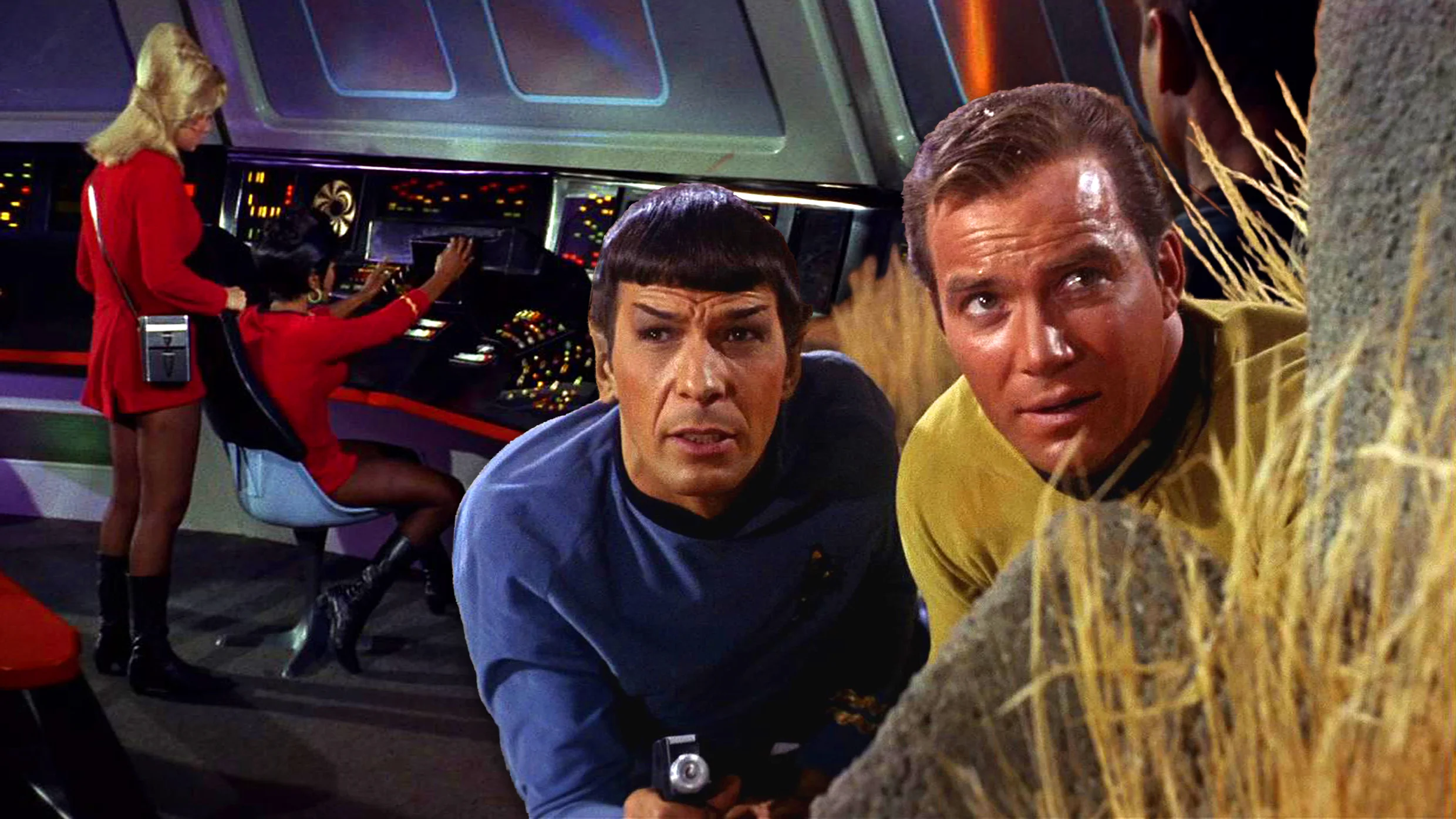
Star Trek first beamed into our lives at 8:30 p.m. on Sept. 8, 1966, and the science fiction world was never the same. The show, though canceled after just three seasons, went on to become a lasting pop culture phenomenon that has spawned an entertainment empire, with movies, spinoffs, merchandise, and a fan following that few intellectual properties can match.
But Star Trek proved to be more than just an entertainment property. The technology the show imagined inspired many future developers to try to recreate the gadgets they saw growing up. And some of those fantastical devices have become part of daily life, even if we're still a long way from launching our own five-year mission to explore strange new worlds.
Here's some of the on-screen technology that has become real.
Captain Kirk and crew stayed in touch with each other and the Enterprise via a handheld device that flipped open. Modern technology managed to replicate that by 1989, with the release of the first Motorola StarTAC phone, and arguably perfected it with the Razr in 2004.
The technology, of course, has continued to improve, and the 'communicators' we carry today, in the form of iPhones and the wide assortment of Android devices, do a lot more than just let us talk to others. Still, Martin Cooper, who has been credited with the invention of the first handheld cellular phone in the 1970s, said his inspiration for the first cell phone was, in fact, Star Trek's communicator.
Lt. Uhura had lots of duties on board the Enterprise, but figuring out what the aliens were saying wasn't always one of them. That was the job of the ship's universal translator. Today, there are several tools that provide instant translation of foreign languages, though they're not too useful should a Gorn want to strike up a conversation.
Those range from apps such as Google Translate and iTranslate to AI-assisted earbuds like the Samsung Galaxy Buds4 line and Timekettle's W4 Pro, as well as handheld translators like the Vasco V4 Language Translator Device.
A note on cookies
Newshunt uses essential cookies to keep you signed in and to remember your language and country, so the site works the way you expect. With your permission, we'd also like to use analytics cookies to understand how people use Newshunt and improve it over time.
Accepting only affects analytics. To learn more, view our Privacy Policy or Terms & Conditions.
(0)Comments