


BBC investigation claims systematic RSF attacks on El-Fasher's hospitals
Category: Health
Share
Archive
Like
Between April 2023 and October 2025, 55 medical workers were killed, 120 injured, and 10 disappeared or abducted, illustrating a systematic assault on the healthcare system
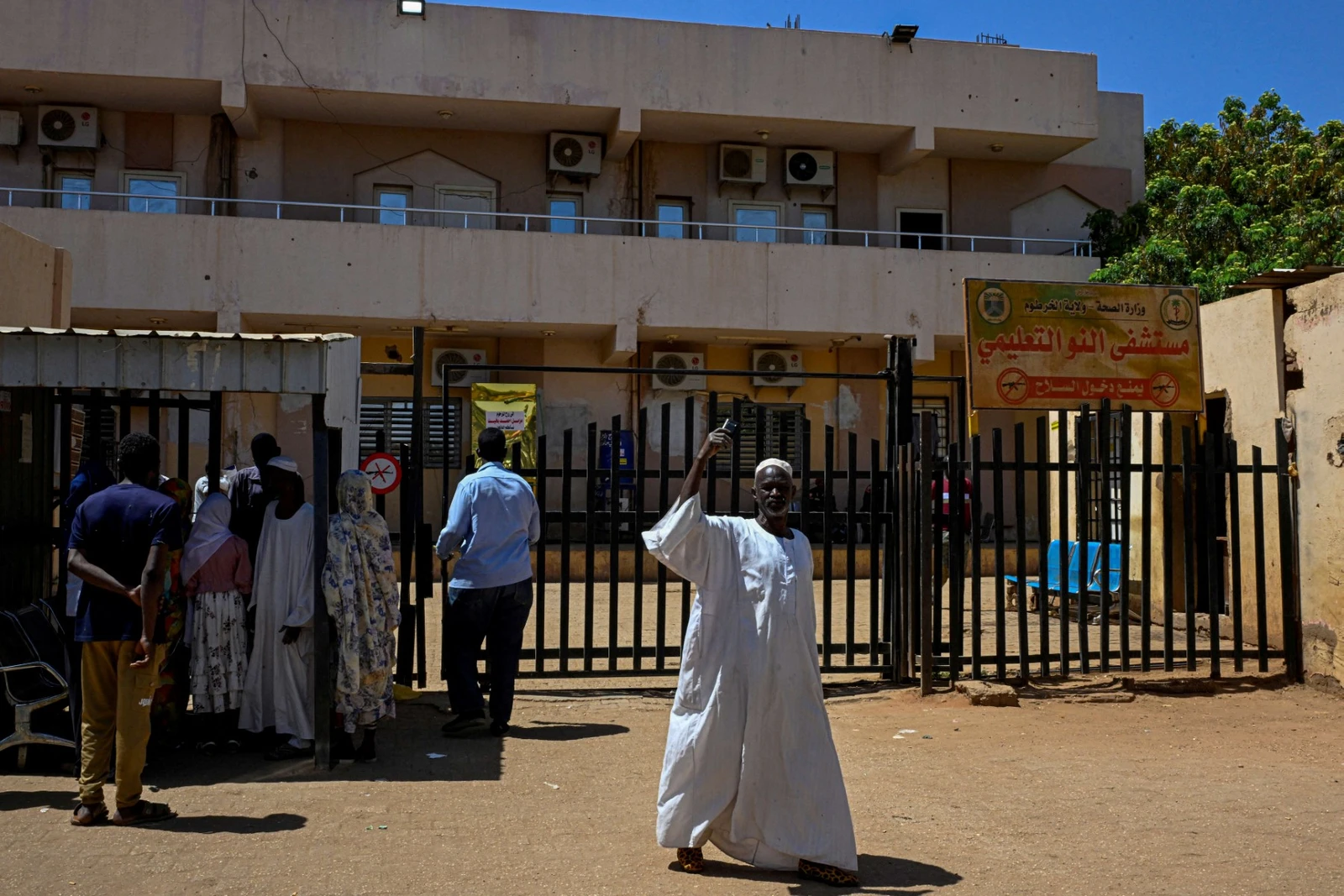
The Teaching Hospital in El-Fasher closed in April 2023, with medical services subsequently moved to South Hospital, which endured multiple attacks, ultimately forcing its closure as well
The BBC has claimed that it has found evidence of at least 43 attacks on hospitals and healthcare facilities in El-Fasher between May 2024 and October 2025, documenting the systematic destruction of the city's healthcare system by Sudan's Rapid Support Forces during its prolonged siege and takeover. The investigation, published on Friday, found that 55 medical workers were killed, 120 injured and 10 forcibly disappeared or abducted between April 2023 and October 2025. Six doctors described a pattern of repeated attacks on hospitals, clinics and temporary medical facilities, forcing them to close or relocate. The Teaching Hospital, one of the city's main medical facilities, closed after the war began in April 2023, with services transferred to South Hospital. However, South Hospital came under repeated shelling before an RSF raid on June 8, 2024. Medical staff fled as fighters entered the building, while its director, surgeon Izzeldin Ahmed Dawaud Asow, said he was beaten and subjected to ethnic slurs. The hospital subsequently closed. Medical services were then moved to the Saudi Maternity Hospital, which became the city's main functioning facility. According to doctors who spoke to the BBC, it was repeatedly hit by shelling and drones, with attacks sometimes occurring up to 25 times in a single day. Smaller clinics and specialized facilities were also struck, including after relocating to alternative sites. As attacks intensified, medical workers established makeshift operating theaters, underground shelters and alternative wards to continue treating patients. Asow told the BBC that one temporary surgical site was attacked five times in 2025. He also described drone strikes on people transporting injured patients, including an attack on March 15, 2025, that killed nine people near a temporary ward. By the time the RSF seized El-Fasher in October 2025, the Saudi Hospital was the only functioning health facility left. On Oct. 25, RSF fighters stormed the hospital amid allegations of a massacre that killed more than 460 patients and their companions. The RSF denied that a massacre had occurred, although the World Health Organization condemned the reported killings and satellite imagery appeared to show clusters of bodies on the hospital grounds. UN human rights chief Volker Turk called the BBC's findings 'deeply disturbing,' saying they were consistent with his office's documentation of repeated RSF attacks on the city's main hospitals and makeshift medical facilities. He said the destruction had severely affected access to healthcare for thousands of civilians trapped in El-Fasher. The WHO described the events as one of the clearest and most severe examples of the conflict's impact on healthcare in Sudan. The RSF has rejected the findings, with its health minister, Alaa Eldin Nugud, dismissing the allegations as propaganda and claiming South Hospital had been used as a military base. The BBC found no independent evidence supporting his allegations. Nugud also denied that doctors had been abducted, saying they had chosen to remain and work. However, one doctor interviewed by the BBC said he had been forced to stay, fearing he would be shot if he spoke out. The investigation comes amid wider allegations of atrocities in El-Fasher. UN investigators have said the fighting bore the 'hallmarks of genocide,' with Arab militias targeting non-Arab communities. While both sides in Sudan's civil war have been accused of attacking healthcare facilities, the BBC's findings provide a detailed chronology of the attacks on medical services in El-Fasher. A year after the city fell, healthcare is being run by the RSF-backed government, which has released videos showing hospitals reopening. However, attacks on healthcare continue elsewhere in Sudan as the conflict and its devastating humanitarian consequences show no signs of abating.
A note on cookies
Newshunt uses essential cookies to keep you signed in and to remember your language and country, so the site works the way you expect. With your permission, we'd also like to use analytics cookies to understand how people use Newshunt and improve it over time.
Accepting only affects analytics. To learn more, view our Privacy Policy or Terms & Conditions.
(0)Comments