


Schloss Schonbrunn and its baroque sweep across Wien
Category: Tourism
Share
Archive
Like
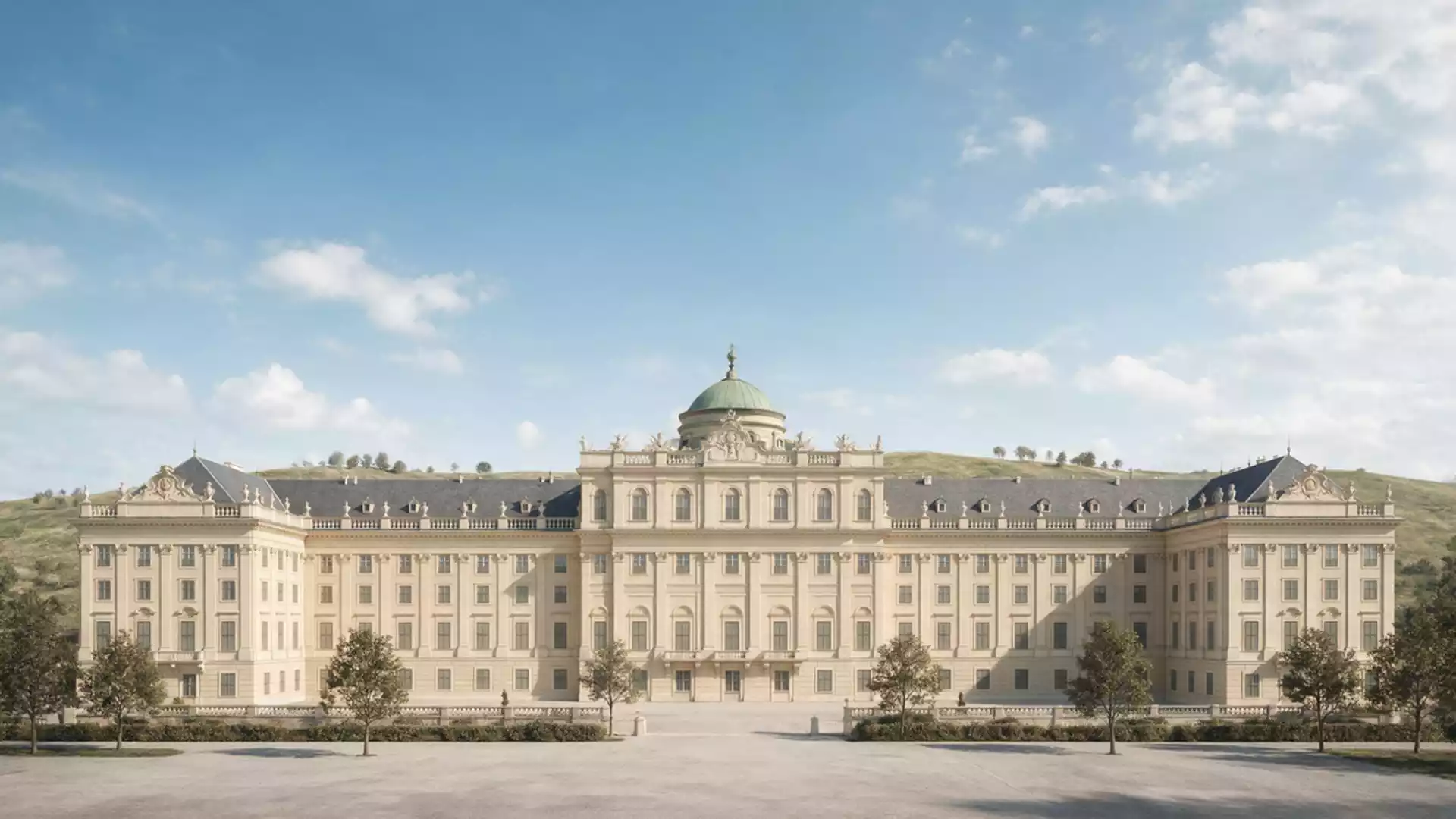
Schloss Schonbrunn in Wien combines a palace, gardens and the Gloriette in one baroque ensemble that still defines the hill above the city.
Schloss Schonbrunn in Wien is a baroque palace and garden ensemble built around a long axis that runs up towards the Gloriette. It was the summer residence of the Habsburgs and has formed part of the UNESCO World Heritage List since 1996UNESCO World Heritage.
Schloss Schonbrunn and the Habsburg summer residence
The palace's identity rests on its association with the House of Habsburg, especially under Empress Maria Theresa, who oversaw major changes in the eighteenth centuryHouse of Habsburg. The ensemble presents a formal front, broad gardens and a hilltop pavilion, all within one historic composition.
In 1690, Johann Bernhard Fischer von Erlach prepared a design for a princely residence here, and the palace later took its present form through work associated with Nicolaus PacassiJohann Bernhard Fischer von ErlachNicolaus Pacassi. The baroque language remains visible in the measured façade, the formal planning and the strong axial setting.
The palace, the park and the Gloriette
The strongest visual contrast at Schloss Schonbrunn is between the palace block below and the pavilion above the gardens. The Gloriette crowns the ridge and closes the long view from the palace side.
The UNESCO listing covers both the palace and gardens, and the site is recognised as a baroque ensemble and a designed cultural landscapebaroque ensembledesigned cultural landscape. That combination of architecture, terracing and formal garden layout is the place's lasting visual character.
From imperial rooms to public landmark
Schloss Schonbrunn also carries a clear change of function. It moved from dynastic residence to a public cultural site after the end of the monarchy in 1918, while keeping its imperial fabric intactpublic cultural site.
The building's scale matters as much as its history. Britannica describes it as a Rococo-style summer palace of the Habsburgs with 1,440 rooms, a figure that has become part of its common identity1,440 rooms. Even without counting every room, the long front and the broad grounds make the palace feel expansive from the first approach.
Visiting Schloss Schonbrunn: what travellers from Western Europe should know
The palace stands in Hietzing, the thirteenth district of Wien. Public transport serves the area through the local city network and rail connections.
The grounds rise towards the Gloriette, and the formal garden layout includes broad paths, steps and terracing.
The complex includes the palace, the park, glasshouses, the Tiergarten and the remains of the former main axis.
English is not an official language in Austria. The official language is German and the currency is the euro.
Searching for Schloss Schonbrunn on social platforms
These links open searches for Schloss Schonbrunn on each platform.
Frequently asked questions about Schloss Schonbrunn
Where is Schloss Schonbrunn?
Schloss Schonbrunn stands in Wien, in the district of Hietzing. It occupies a large historic setting on the city's western side.
What does a visit involve?
The site combines palace rooms, formal gardens and the hilltop Gloriette. The terrain includes broad paths and changes in level across the park.
What makes Schloss Schonbrunn distinctive?
Its long baroque axis, Habsburg association and UNESCO status define it. The palace and gardens form a single ensemble rather than separate monuments.
A note on cookies
Newshunt uses essential cookies to keep you signed in and to remember your language and country, so the site works the way you expect. With your permission, we'd also like to use analytics cookies to understand how people use Newshunt and improve it over time.
Accepting only affects analytics. To learn more, view our Privacy Policy or Terms & Conditions.
(0)Comments