


Infants account for most meningitis cases as Gaza outbreak grows, WHO says
Category: Blend
Share
Archive
Like
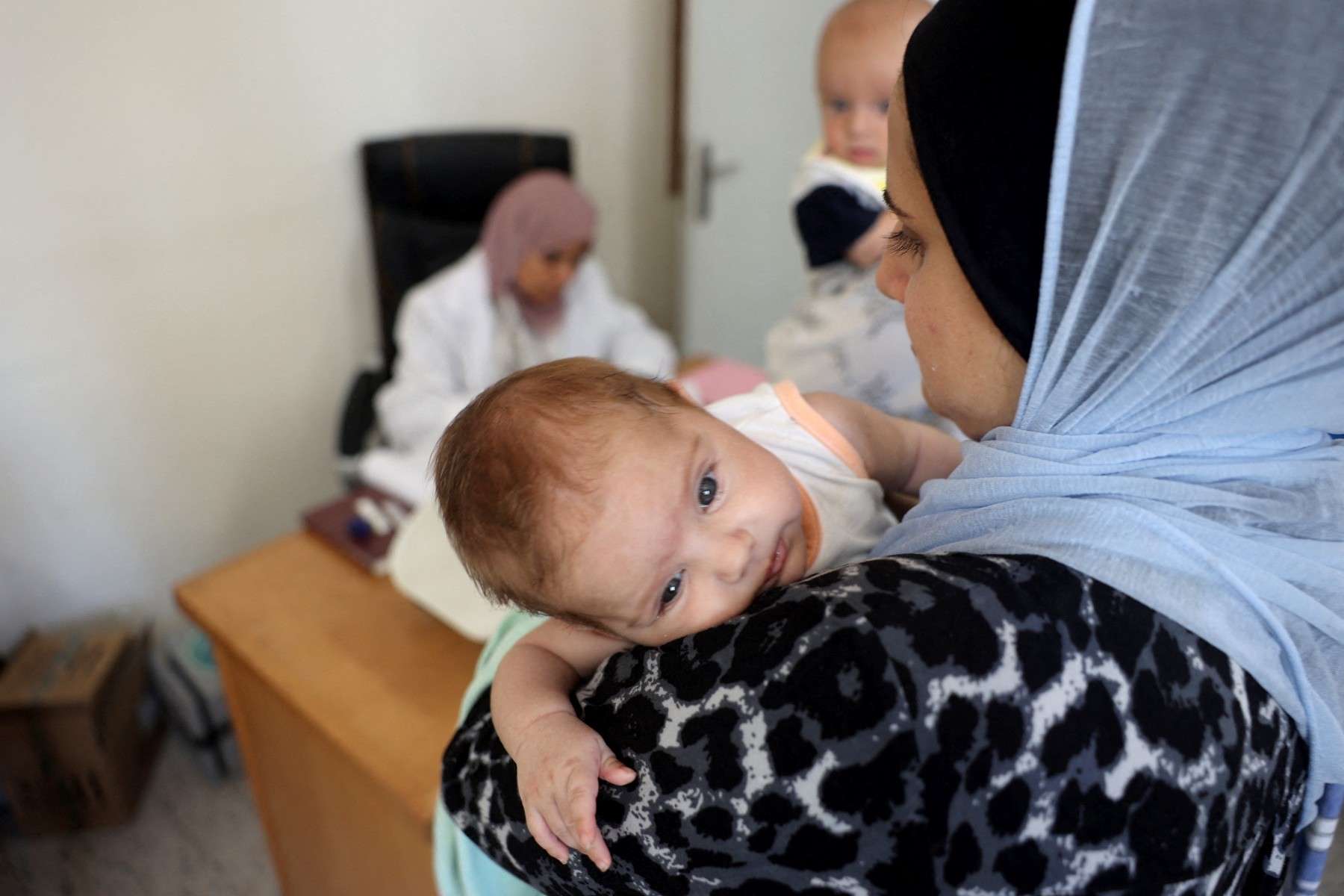
Infants represent 71% of meningitis cases in Gaza since mid-October, with newborns accounting for 13%, according to the WHO
More than 533 meningitis cases and 4 deaths have been reported in Gaza since mid-October, with cases continuing to rise
Updated 2 min 4 sec ago
November 24, 2026 22:57
LONDON: Infants account for most meningitis cases in the Gaza Strip, where more than 533 cases and four deaths have been reported since mid-October, the World Health Organization said on Tuesday.
Cases rose rapidly in the second half of October and have continued to climb, WHO spokesperson Christian Lindmeier told reporters in Geneva. The agency and Gaza’s health authority are closely monitoring the outbreak, he said.
Children younger than 1 account for 71 percent of cases reported since October, including newborns, who represent 13 percent of the total. Most cases have been recorded in Gaza City and Khan Younis, and 73 percent of patients are displaced, Lindmeier said.
Suspected viral meningitis cases are 3.8 times the level recorded during the same period in 2025, while suspected bacterial cases have more than quadrupled, he said.
But limited laboratory capacity makes it difficult to distinguish between the two, hampering efforts to assess the outbreak’s scale and tailor the response.
The surge has prompted Gaza’s Health Ministry to declare an “epidemic alert” across the territory, warning that the disease threatens thousands of Palestinians, particularly children.
Health official Nidal Ghoneim told a news conference that 272 cases were reported in October, compared with a typical monthly caseload of 30 to 50. He put the death toll since the start of the year at 15.
The outbreak comes as overcrowded shelters, unsafe drinking water, damaged sanitation systems and the collapse of Gaza’s health system heighten the risk of infectious diseases.
The UN Office for the Coordination of Humanitarian Affairs previously reported 413 suspected meningitis cases between Sept. 27 and Oct. 31, including 294 suspected viral cases and 119 suspected bacterial cases.
About 68 percent were recorded in Gaza City.
The agency linked the increase to crowding in tents and schools, deteriorating shelter and sanitation conditions, and exposure to unsafe water.
Those conditions have been compounded by winter flooding and restrictions on humanitarian aid, according to health organizations, which say sewage contamination and the destruction of infrastructure have contributed to rising infections.
Much of Gaza’s drinking water previously came from desalination plants and three Israeli-controlled pipelines. The pipelines were cut off at the start of the war and have only partially reopened.
Meanwhile, seawater and wastewater have contaminated the territory’s aquifer, further limiting access to safe water. About 15,000 cubic meters of untreated wastewater a day seep into groundwater from soakaway pits, particularly in informal displacement camps in the coastal area of Al-Mawasi.
The shortages leave families struggling to meet basic drinking and hygiene needs, while acute diarrhea remains among the territory’s leading causes of illness.
In September, the WHO said microbial contamination had been detected in almost 20 percent of water samples tested in August, up from less than 6 percent in January.
A note on cookies
Newshunt uses essential cookies to keep you signed in and to remember your language and country, so the site works the way you expect. With your permission, we'd also like to use analytics cookies to understand how people use Newshunt and improve it over time.
Accepting only affects analytics. To learn more, view our Privacy Policy or Terms & Conditions.
(0)Comments