


DRDO Seeks Industry Proposals for Air-Breathing Electric Propulsion System for VLEO Satellites
Category: SciTech
Share
Archive
Like
Space & Technology India
Published on September 08, 2026
NEW DELHI — The Defence Research and Development Organisation (DRDO), through its Technology Development Fund (TDF), has invited industry participation to develop an Air-Breathing Space-Based Electric Propulsion (ABEP) system for satellites operating in Very Low Earth Orbit (VLEO).
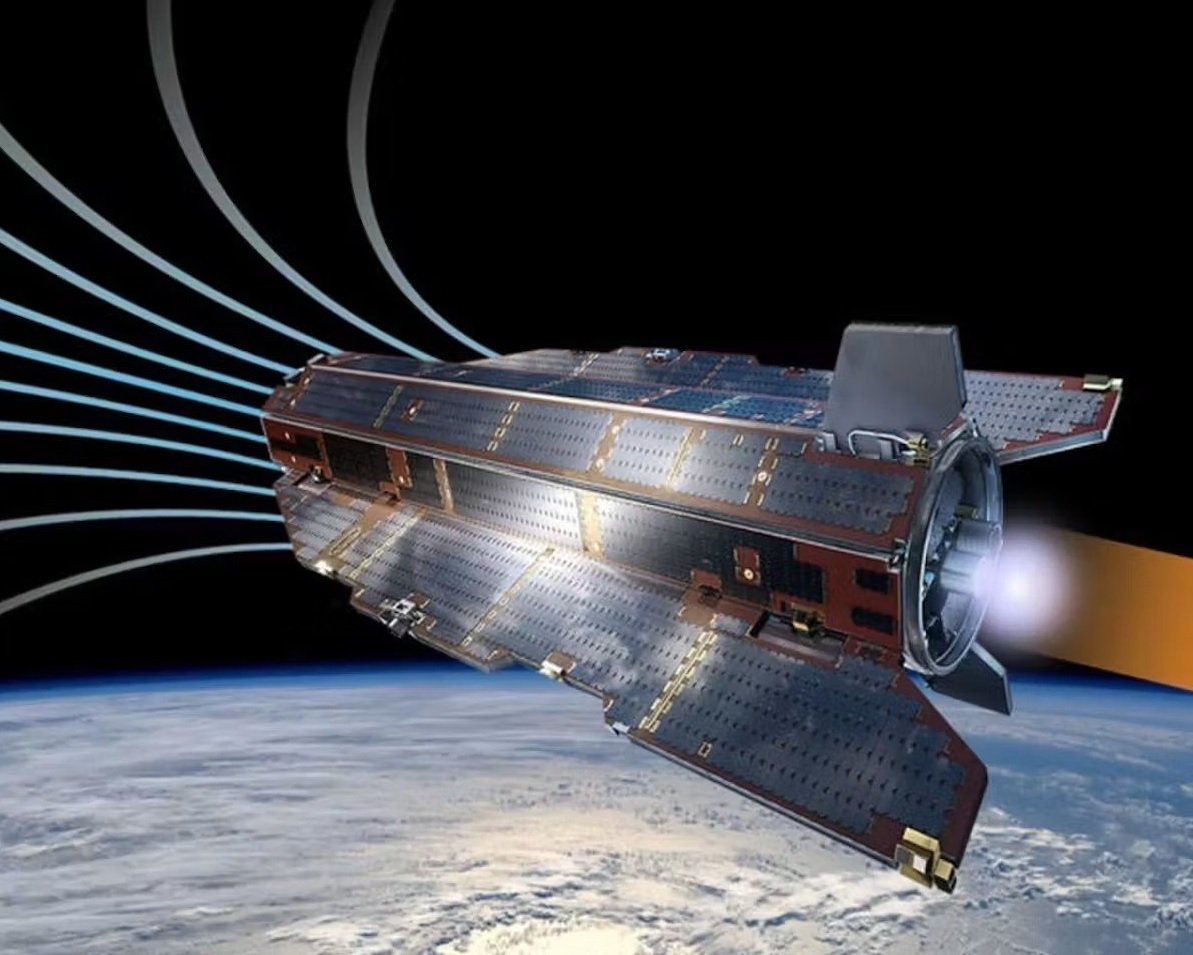
The proposed system is designed for satellites operating at 180–230 kilometres, where residual atmospheric gases create significant drag and can shorten the operational life of conventional satellites. VLEO offers advantages including higher-resolution Earth observation, lower communication latency and reduced radiation exposure compared with higher orbits.
The ABEP system will collect residual atmospheric gases at altitudes below 250 km, ionise them and accelerate the ions through an electric thruster to generate continuous thrust. Ambient atmospheric air will be the primary propellant, with Xenon available as a supplementary or alternative propellant. DRDO has listed a Hall-effect thruster as the preferred technology.
Key Requirements
The propulsion system must generate 12–25 mN of thrust, consume less than 1,500 watts of power and have a total mass of under 40 kg. It must support a mission life of at least three years.
The RFP also requires a minimum of 75 per cent indigenous content. The system must use materials compatible with atomic oxygen exposure and include closed-loop control and limited redundancy.
By continuously using atmospheric gases as propellant, the system is intended to reduce dependence on stored propellant while providing thrust to counter atmospheric drag and maintain the satellite's orbit.
The TDF scheme, executed by DRDO under the Ministry of Defence, provides financial support to Indian industries, start-ups and Micro, Small and Medium Enterprises (MSMEs) for developing indigenous defence and aerospace technologies.
The ABEP project is part of DRDO's efforts to develop indigenous electric-propulsion technologies for sustained satellite operations in challenging low-altitude orbital environments. Interested Indian entities were invited to submit proposals through the TDF portal during the designated application window in late 2025, with subsequent stages including detailed project reports and selection of development partners following standard TDF procedures.
——— End of Article ———
A note on cookies
Newshunt uses essential cookies to keep you signed in and to remember your language and country, so the site works the way you expect. With your permission, we'd also like to use analytics cookies to understand how people use Newshunt and improve it over time.
Accepting only affects analytics. To learn more, view our Privacy Policy or Terms & Conditions.
(0)Comments