


Robots: How Intelligent Machines Are Transforming the Future – Pakistan & Gulf Economist
Category: SciTech
Share
Archive
Like
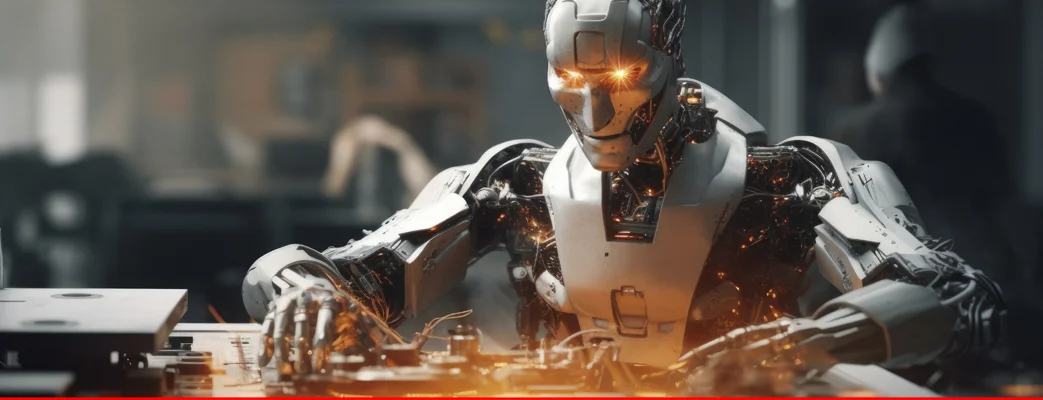
Robots are rapidly moving from science fiction into everyday life, transforming industries, businesses, and homes. From automated factories and warehouses to healthcare, agriculture, and space exploration, robotics technology is becoming an important part of the global digital economy. The Rise of Robotics
Advances in artificial intelligence (AI), machine learning, sensors, and automation have made modern robots more capable and adaptable. Unlike traditional machines designed for a single repetitive task, intelligent robots can increasingly analyze their surroundings, learn from data, and perform complex operations with greater precision.
Manufacturing remains one of the biggest users of industrial robots. Automated systems can assemble products, handle materials, inspect components, and operate continuously, helping businesses improve productivity while reducing errors. Robots Beyond Factories
The influence of robotics now extends far beyond manufacturing. In healthcare, robots assist surgeons, support rehabilitation, and help hospitals automate routine tasks. In agriculture, robotic systems can monitor crops, identify weeds, and assist with harvesting.
Warehouses and logistics companies are also adopting autonomous robots to move goods, manage inventory, and improve delivery operations. Meanwhile, robotic vacuum cleaners, smart home devices, and service robots are bringing automation directly into consumers' homes. AI Is Making Robots Smarter
The combination of AI and robotics represents one of the most significant technological developments of the decade. AI enables robots to process information, recognize objects, understand environments, and make decisions with less human intervention.
As AI systems become more advanced, robots are expected to handle increasingly sophisticated tasks. This could create new opportunities for businesses while also changing the skills required in the modern workforce. Opportunities and Challenges
The growth of robotics can improve productivity, workplace safety, and efficiency. Robots can perform dangerous or physically demanding jobs, allowing humans to focus on creative, analytical, and supervisory responsibilities.
However, automation also raises concerns about job displacement, cybersecurity, privacy, and the responsible use of AI. Governments, businesses, and educational institutions will need to prepare workers for an increasingly automated economy through skills development and lifelong learning. The Future of Robotics
The future of robots will likely involve greater collaboration between humans and machines. Instead of simply replacing workers, many next-generation robots will work alongside people, providing assistance, precision, and automation.
With continued investment in AI, robotics, and digital infrastructure, intelligent machines could become a defining technology of the coming years. The real opportunity lies not simply in building smarter robots, but in using them responsibly to create safer, more productive, and more innovative societies.
A note on cookies
Newshunt uses essential cookies to keep you signed in and to remember your language and country, so the site works the way you expect. With your permission, we'd also like to use analytics cookies to understand how people use Newshunt and improve it over time.
Accepting only affects analytics. To learn more, view our Privacy Policy or Terms & Conditions.
(0)Comments