


Ford Recalls 110,626 Mustangs Over Wiper Failures and a Cracking Rear Differential
Category: Business
Share
Archive
Like
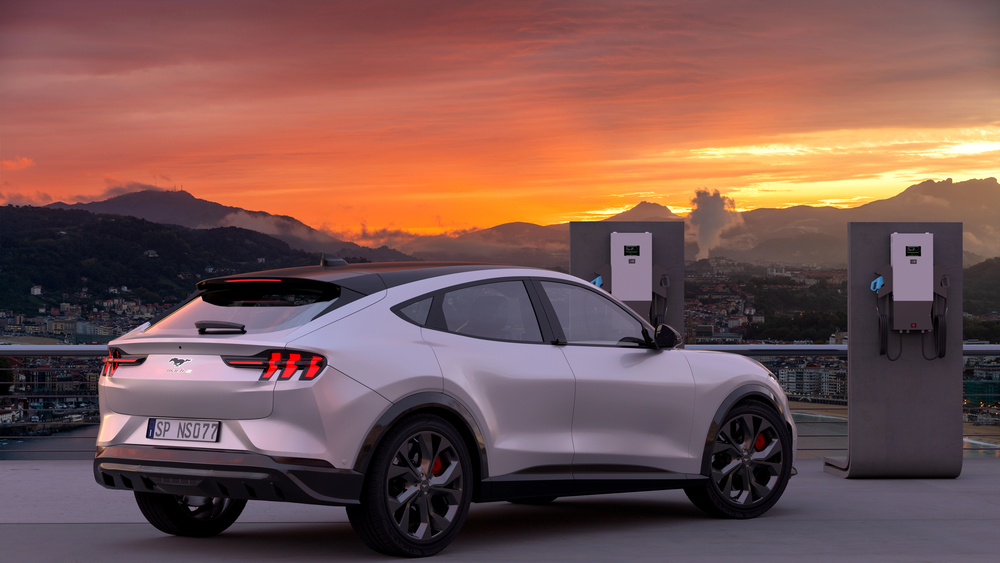
Ford is recalling 110,626 vehicles across two separate campaigns: 67,842 Mustang and Mustang GTD models over windshield wipers that can get stuck on high speed, and 42,784 Mustang Mach-E EVs over a rear differential pinion shaft that can fracture.
The differential defect can cause a loss of drive power or, if the parking brake is not engaged, unintended vehicle movement while the car sits parked.
Both repairs are free at Ford dealers, and owners can check their specific vehicle's recall status by VIN at NHTSA.gov/recalls.
Two Different Defects, One Big Recall Number
Ford Motor Company is recalling more than 110,000 vehicles in two unrelated campaigns that both happen to center on the Mustang lineup. The larger of the two covers 67,842 gas powered Mustang and high performance Mustang GTD models with a windshield wiper defect: in certain cold temperature conditions, the wipers can function only at their high speed setting, and the washer fluid system can fail to spray at all. The second campaign covers 42,784 Mustang Mach-E electric SUVs with a more serious mechanical problem, a rear differential pinion shaft that can fracture.
Combined, the two recalls affect 110,626 vehicles, according to Ford's filings with federal safety regulators. Dealers will inspect the wiper motor on affected Mustang and Mustang GTD vehicles and replace it if it fails inspection, at no cost to the owner. The Mach-E repair addresses the differential component directly, also free of charge.
Why a Cracked Pinion Shaft Is the Bigger Concern
The wiper issue is an inconvenience, but the Mach-E's rear differential defect carries real safety risk. A fractured pinion shaft can cause a sudden loss of drive power while the vehicle is moving, catching a driver off guard in traffic. Just as concerning, Ford's filing warns that a fractured shaft can also allow unintended vehicle movement if the Mach-E is parked without the parking brake engaged, as the electric SUV's park mechanism relies on components connected to that same differential assembly.
That combination, a car that can lose power on the road or roll away when parked, is why the Mach-E campaign draws more scrutiny than a typical wiper recall even though it covers fewer vehicles. Owners of affected Mach-E models should treat engaging the parking brake as essential until the dealer completes the repair, not just a good habit.
A Cold Weather Problem With a Simple Trigger
The wiper defect is narrower in scope but still a genuine visibility hazard. Affected Mustang and Mustang GTD models can see their wipers lock into high speed operation specifically in cold conditions, meaning drivers heading into fall and winter weather are the most likely to encounter the problem in real driving conditions. Combined with a washer fluid system that can fail to spray, a driver could end up with wipers moving too fast to control cleanly and no fluid to clear road grime, a combination that carries the most risk exactly when visibility already suffers from rain, snow or road spray.
Ford has not disclosed the root engineering cause of the wiper malfunction publicly beyond describing the cold temperature trigger, but the fix itself is simple: a wiper motor inspection and replacement where needed, covered entirely under the recall at no cost to Mustang and Mustang GTD owners.
Part of a Bigger Pattern for Ford in 2026
This recall lands amid a year in which Ford has recalled more vehicles than any other automaker through mid-2026. The company has issued a steady stream of separate campaigns this year covering everything from power loss issues on Explorer and Bronco models to seat and camera defects across its lineup, part of a broader industry trend that has pushed the number of vehicles recalled nationally to a five year high even as the total number of individual recall campaigns has actually declined slightly. Automakers are recalling fewer distinct defects, but each one is affecting far more vehicles on average, a pattern the Mustang and Mach-E recalls both fit.
For Mustang and Mach-E owners specifically, this is not the first defect notice of the year, and Ford's overall recall volume means checking VIN status has become a more routine task for its owners than for buyers of most other brands.
What Owners Should Do Right Now
Owners of 2026 model year Mustang, Mustang GTD and Mustang Mach-E vehicles should check their specific VIN at NHTSA.gov/recalls or call the NHTSA Vehicle Safety Hotline at 1-888-327-4236 to confirm whether their individual vehicle is included in either campaign. Ford will also mail owner notification letters directly to registered owners of affected vehicles, but VIN lookup gives an immediate answer rather than waiting for mail to arrive.
Mach-E owners in particular should not wait for a scheduled service appointment if they notice any unusual noise, vibration or looseness from the rear of the vehicle, and should always confirm the parking brake is fully engaged before leaving the vehicle unattended until the recall repair is complete. Both repairs are performed free of charge at any Ford dealership, and neither requires the owner to pay anything beyond the time it takes to schedule the appointment.
How This Fits Into the Mustang Mach-E's Track Record
The Mach-E has drawn repeated safety attention from regulators over its production run, with prior campaigns covering issues ranging from touchscreen and power loss faults to battery contactor problems on earlier model years. A rear differential pinion shaft defect adds a new mechanical failure point to that list, distinct from the software and electrical issues that have dominated previous Mach-E recalls. Owners who bought the Mach-E specifically for its EV powertrain now have a drivetrain hardware issue to track alongside the software history, a combination that has made some shoppers more cautious about used Mach-E listings even as Ford works through the backlog of repairs.
Dealers nationwide are expected to receive parts and repair instructions in the coming weeks, and owners who schedule early could face longer wait times than those who book once parts supply stabilizes. Checking VIN status now, even before a formal notification letter arrives in the mail, lets an owner get on a dealer's schedule as soon as parts become available rather than waiting for the postal notice to trigger the process.
Sources:
A note on cookies
Newshunt uses essential cookies to keep you signed in and to remember your language and country, so the site works the way you expect. With your permission, we'd also like to use analytics cookies to understand how people use Newshunt and improve it over time.
Accepting only affects analytics. To learn more, view our Privacy Policy or Terms & Conditions.
(0)Comments