


Miami Airport Faces Global Travel Disruption After Amazon Cargo Plane Crash as Investigators Search for Answers
Category: Tourism
Share
Archive
Like
Miami Airport Faces Global Travel Disruption After Amazon Cargo Plane Crash as Investigators Search for Answers
Written By:
Swagata Dey
SEO Content Writer with a focus on travel, tourism, and global destination marketing. With 5+ years of experience crafting compelling, SEO-optimized content for leading travel platforms, Swagata bring a deep understanding of travel trends, audience engagement, and destination promotion. Having contributed extensively to Travel and Tour World, Swagata is known for delivering high-quality, search-engine-friendly articles that resonate with both readers and search engines. Specializing in creating narratives that capture the essence of global destinations while maximizing visibility, Swagata blends storytelling with strategic SEO techniques to drive traffic and elevate brand presence in the competitive travel industry. Swagata Dey
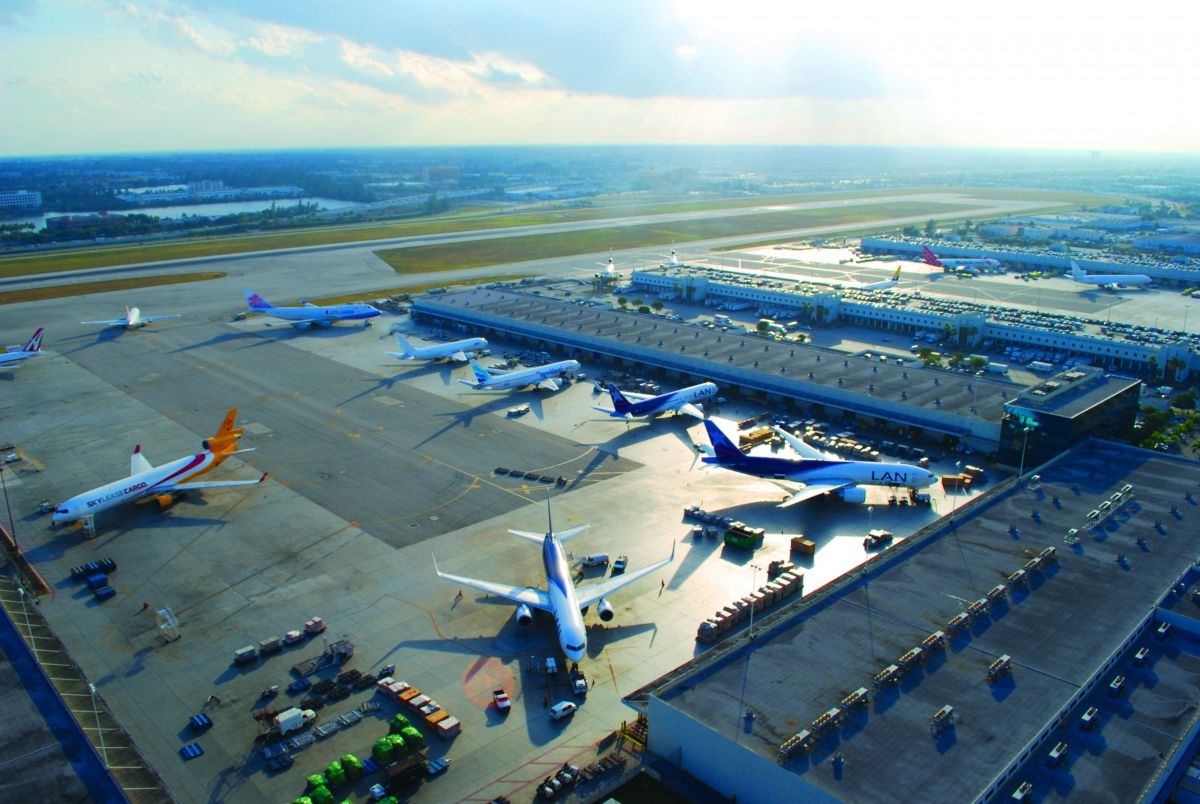
Image Credit: https://news.miami-airport.com/
Miami Airport Faces Global Travel Disruption After Amazon Cargo Plane Crash as Investigators Search for Answers as the incident created immediate operational challenges at one of the United States' busiest aviation gateways. The Amazon Prime Air Boeing 767-300 freighter accident at Miami International Airport disrupted passenger movement, reduced runway capacity and affected travellers connecting through the hub. The aircraft, operated by 21 Air, overran the runway after arriving from San Juan, Puerto Rico, leading to a fatal accident and a federal investigation. As emergency teams responded, airlines managed delays, cancellations and passenger rebooking while authorities worked to determine the cause.
Advertisement
How Did the Amazon Cargo Plane Crash Create Chaos at Miami Airport?
The Amazon cargo plane crash at Miami International Airport created immediate disruption because emergency teams needed to secure the accident area, control the fire response and begin the investigation process. The incident involved a Boeing 767-300 freighter operated by 21 Air on behalf of Amazon Prime Air, which overran the runway during landing after arriving from San Juan, Puerto Rico.
Following the accident, airport operations were temporarily restricted as authorities managed the emergency response. A ground stop was implemented, meaning aircraft movements were halted while responders worked at the scene and officials assessed airport conditions.
The disruption affected both arriving and departing flights because Miami International Airport operates as a major passenger and cargo hub. Even a temporary reduction in runway availability created a backlog of aircraft movements and affected scheduled operations.
The National Transportation Safety Board (NTSB) began leading the investigation with support from the Federal Aviation Administration (FAA) to determine the factors behind the crash.
What Flight Disruptions Did Miami International Airport Experience After the Crash?
The accident caused a significant operational impact at Miami International Airport as airlines adjusted schedules following the temporary ground stop and reduced runway availability. Reports indicated that more than 160 flights were cancelled and around 325 flights were delayed as the airport worked through the disruption.
The impact was not limited to aircraft directly connected with the incident. Because Miami functions as a major connecting hub, delays affected passengers whose journeys depended on arriving or departing through the airport.
Disruption Area Impact Flight departures Temporarily halted during emergency response Flight arrivals Suspended during initial airport restrictions Runway operations Reduced during recovery Passenger connections Missed connections possible Cargo movement Possible shipment delays
Although Miami International Airport did not remain permanently closed, the temporary restrictions created a ripple effect across the airport network.
Airlines continued adjusting schedules as operations returned to normal, with passengers advised to check their individual flight information before travelling.
Which Cities and Regions Faced Travel Disruptions From Miami Airport Delays?
The Miami Airport disruption affected passengers travelling to, from and through Miami, rather than every route across the United States. The impact was strongest for travellers using Miami as a connection point between domestic US cities, Latin America, the Caribbean and international destinations.
Miami International Airport is one of the most important gateways connecting the United States with the Americas. Because of this role, delays at MIA can affect travellers far beyond Florida.
Domestic US Travel Impact
Region Examples of Possible Affected Connections Florida Orlando, Tampa, Fort Lauderdale and other state routes Northeast US New York, Boston and Washington connections Midwest US Chicago, Dallas and Atlanta connections West Coast US Los Angeles, San Francisco and Seattle links
International Travel Impact
Region Impact Caribbean Connecting flights experienced delays Latin America Major Miami connections affected South America Passenger journeys faced possible schedule changes Europe Connecting travellers experienced disruptions
The incident was especially important for international passengers because Miami serves as a major transfer point for travellers connecting between continents.
How Were International Travellers Affected by the Miami Airport Crash?
International travellers faced disruption because Miami International Airport is a major gateway between North America, Latin America, the Caribbean and Europe. Passengers who depended on connecting flights through Miami were among those most exposed to delays.
The disruption affected several traveller groups, including:
passengers connecting through Miami,
international visitors arriving in Florida,
travellers departing from Miami overseas,
business passengers with fixed schedules.
Passengers with shorter connection times faced a higher risk of missing onward flights because delays at one stage of the journey could affect the rest of their itinerary.
For international visitors, the disruption created additional challenges because alternative flights may not have been immediately available. Airlines worked to assist affected travellers through schedule updates, rebooking options and customer support channels.
The incident demonstrated how a disruption at a major aviation hub can quickly influence international travel plans.
Which Airlines and Passengers Were Most Affected by the Airport Disruption?
The crash affected airlines operating through Miami because the operational restrictions reduced airport capacity. American Airlines was among the carriers affected because Miami International Airport is one of its major hubs.
The disruption created challenges for: Passenger Group Possible Impact Connecting passengers Missed onward flights International travellers Longer waiting times Families Rebooking difficulties Business travellers Changed schedules Cargo customers Possible shipment delays
Airlines focused on helping affected passengers through:
flight updates,
rebooking assistance,
schedule adjustments,
travel support.
American Airlines also announced support measures, including fee waivers for eligible passengers affected by the disruption.
What Was the Passenger Experience Inside Miami Airport After the Crash?
Following the accident, some passengers faced extended waiting periods as airlines reorganised schedules and airport operations gradually recovered. Reports indicated that some travellers experienced long queues, limited alternative flights and overnight waiting because replacement options were unavailable.
The situation became challenging because Miami International Airport handles large volumes of passenger traffic every day. When operations are restricted, congestion can quickly build across check-in areas, gates and customer service points.
Passengers experienced:
longer rebooking queues,
delayed departures,
reduced flight choices,
extended airport stays.
Travellers were encouraged to monitor airline updates rather than relying only on airport information because individual flight situations changed throughout the recovery period.
How Did Airlines Support Travellers Affected by the Miami Airport Crash?
Airlines operating from Miami focused on restoring normal schedules while assisting passengers affected by delays and cancellations.
The main support measures included:
updating passengers about flight changes,
providing alternative travel options,
managing rebooking requests,
offering assistance where applicable.
Travellers affected by the disruption were advised to:
Check airline websites and mobile applications. Confirm flight status before travelling to the airport. Contact airlines directly for rebooking. Allow additional time for airport procedures.
The response highlighted the importance of airline communication during major operational disruptions.
How Did the Crash Affect Miami Tourism and the Wider Travel Economy?
Miami International Airport plays an important role in Florida's tourism economy because millions of visitors use the airport to reach Miami, beaches, cruise terminals and surrounding destinations.
Short-term airport disruptions can affect:
hotel arrivals,
cruise connections,
business travel,
international tourism flows.
Miami's position as a gateway to Latin America and the Caribbean makes reliable airport operations essential for regional tourism.
Although the crash caused temporary disruption, airport operations gradually resumed after emergency procedures were completed. The incident highlighted the wider importance of aviation infrastructure for tourism destinations.
What Are Investigators Examining After the Amazon Cargo Plane Crash?
The NTSB is leading the investigation into the crash with FAA support. Investigators are examining multiple factors to understand why the aircraft overran the runway.
The investigation is expected to review:
aircraft performance,
runway conditions,
weather information,
flight data,
operational decisions,
maintenance records.
At this stage, authorities have not released a final cause.
Investigations into major aviation accidents often require detailed analysis before conclusions are reached. The findings may help identify safety improvements and prevent similar incidents in the future.
Frequently Asked Questions
Was Miami International Airport completely closed after the crash?
No. The airport temporarily restricted operations through a ground stop, but flights resumed with continued delays and cancellations during recovery.
Which aircraft was involved in the accident?
The incident involved an Amazon Prime Air Boeing 767-300 cargo aircraft operated by 21 Air.
Did the crash affect all flights in the United States?
No. The main impact was concentrated at Miami International Airport, but connecting passengers experienced delays.
Which travellers were most affected?
Passengers travelling through Miami, particularly those connecting to Latin America, the Caribbean and international destinations, faced the greatest disruption.
Are flights operating normally after the crash?
Operations resumed, but passengers were advised to check directly with airlines for the latest updates.
Conclusion
Miami Airport Faces Global Travel Disruption After Amazon Cargo Plane Crash as Investigators Search for Answers because the accident temporarily reduced airport capacity, created flight delays and affected passengers travelling through one of America's key aviation gateways. The reason behind the disruption was the emergency response required after the Amazon Prime Air Boeing 767 crash and the investigation process that followed. While operations resumed, the incident showed how a single airport emergency can impact domestic connections, international travel and tourism activity. The NTSB investigation will determine the cause and provide important lessons for future aviation safety and airport operations.
Advertisement
Share On:
Gtranslate
A note on cookies
Newshunt uses essential cookies to keep you signed in and to remember your language and country, so the site works the way you expect. With your permission, we'd also like to use analytics cookies to understand how people use Newshunt and improve it over time.
Accepting only affects analytics. To learn more, view our Privacy Policy or Terms & Conditions.
(0)Comments