


Google's Motion Assist Brings Anti-Nausea Dots to Android 17
Category: Health
Share
Archive
Like
Google introduced Motion Assist on Android 17, a new feature designed to reduce motion sickness for people using their phones inside moving vehicles. Since millions of travelers experience nausea, headaches, and physical discomfort while reading or scrolling during car rides, the feature directly targets this common travel problem.
Motion sickness occurs because of a mismatch between what your eyes see and what your inner ear feels. When staring at a phone screen, your eyes signal that everything remains still, while your inner ear simultaneously detects the car turning, braking, or accelerating. Because this sensory conflict is precisely what triggers queasiness, Motion Assist works by resolving that mismatch directly through visual feedback.
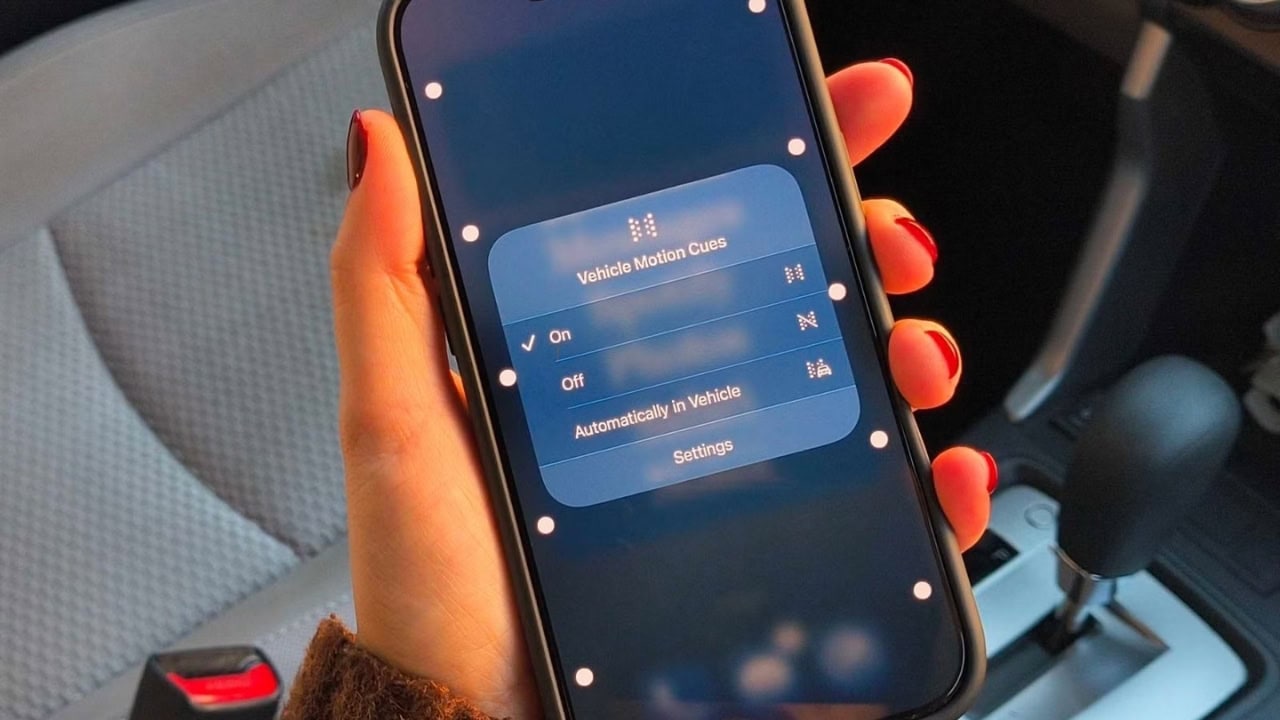
The feature uses the phone's accelerometer and gyroscope, sensors that already detect motion and orientation, to track how the vehicle moves in real time. It then displays small dots around the edges of the screen that shift to match that motion. When the car turns right, the dots sweep left. When the vehicle brakes, they slide forward accordingly.
Because these visual cues remain visible in peripheral vision while users focus on content in the center of the screen, the brain registers ongoing motion even while reading text or watching videos. This constant visual reassurance helps align vision with inner ear balance, potentially preventing travel nausea before it fully develops.
Motion Assist lives within Google Play Settings, accessible through Your Profile, then All Services, under the Personal and Device Safety section. Users can enable a toggle that automatically starts the feature whenever the phone detects it's inside a moving vehicle, or they can activate it manually through a Quick Settings tile. Additional customization options let users adjust dot color, shape, and opacity, while a randomization setting automatically varies these visual parameters.
The rollout is currently landing on Pixel phones first, though availability varies even among devices running Android 17. Android Authority found the feature active on a Pixel 11 Pro XL but absent from a Pixel 10 Pro XL running the identical operating system version, indicating a staged rollout rather than a universal update.
This concept mirrors Apple's Vehicle Motion Cues feature, introduced for iPhones in iOS 18, which testing has shown can reduce and sometimes eliminate motion sickness symptoms. OPPO and vivo phones already offer a comparable Motion Cues feature for their respective users.
A note on cookies
Newshunt uses essential cookies to keep you signed in and to remember your language and country, so the site works the way you expect. With your permission, we'd also like to use analytics cookies to understand how people use Newshunt and improve it over time.
Accepting only affects analytics. To learn more, view our Privacy Policy or Terms & Conditions.
(0)Comments