


Agri experts warn growers against bacterial leaf blight in rice crops
Category: Health
Share
Archive
Like
By
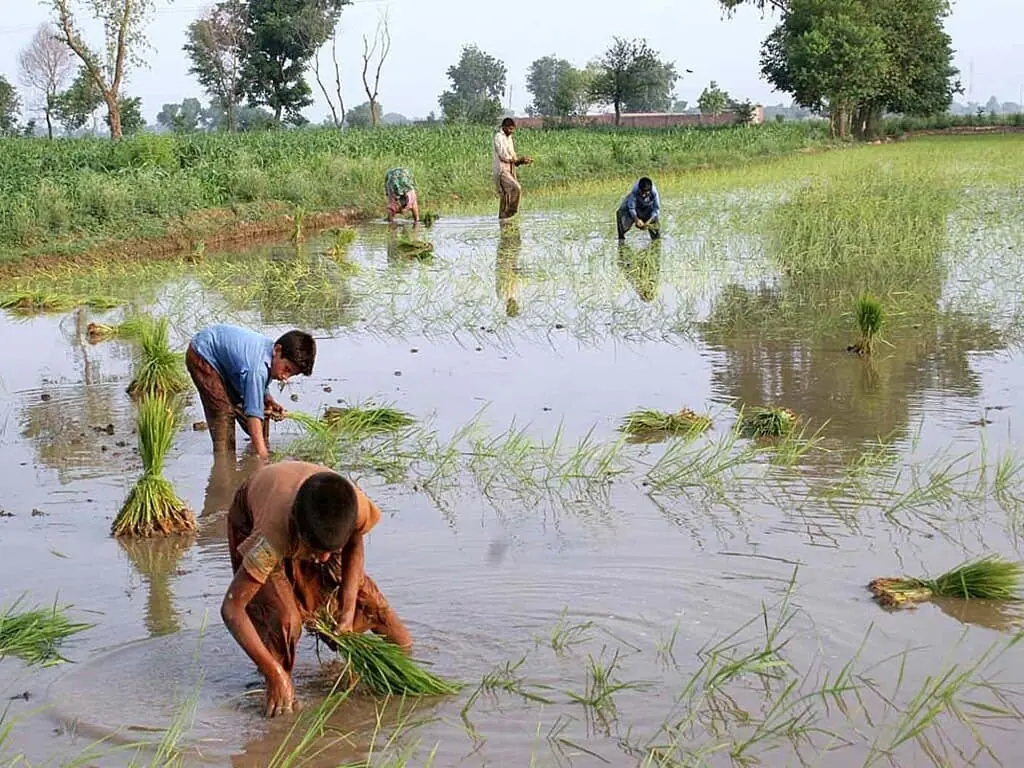
FAISALABAD: Agriculture experts have warned rice growers across the province to remain vigilant against bacterial leaf blight, a potentially destructive disease that has already been observed in early-sown rice crops in certain areas.
Urging farmers to adopt timely preventive measures, a spokesperson for the Agriculture (Extension) Department stated that the disease is caused by the bacterium Xanthomonas oryzae, which can severely damage rice plants if favorable environmental conditions persist.
Describing the symptoms, the spokesperson explained that the infection initially appears on leaves as whitish or yellowish water-soaked streaks, typically starting from the tips and margins before expanding in length and width. As the condition intensifies, milky bacterial exudates may emerge on the affected foliage, leading to rapid drying, decay, and a scorched appearance of the crop from a distance.
Experts noted that the bacteria can survive on weeds and rice stubbles, with infected seeds serving as primary sources of transmission. Moderate temperatures coupled with high humidity, rainfall, and deep standing water create ideal conditions for the spread of the disease. Furthermore, physical damage from strong winds or insect attacks makes plants significantly more vulnerable.
To manage and prevent the outbreak, the department advised growers to avoid the excessive use of nitrogenous fertilizers and to effectively control pests such as leaf-folders, caterpillars, and grasshoppers. Farmers have also been urged to keep field boundaries clear of weeds, maintain a water level of no more than three inches, and prevent contaminated water runoff from infected patches to healthy crops.
In cases where infection is detected, growers are recommended to cut and remove small affected patches—along with healthy plants within a half-meter radius—and bury them at a safe distance. Farmers should consult local agricultural extension or pest warning staff before applying recommended pesticides and must conduct regular field inspections to protect their yields.
A note on cookies
Newshunt uses essential cookies to keep you signed in and to remember your language and country, so the site works the way you expect. With your permission, we'd also like to use analytics cookies to understand how people use Newshunt and improve it over time.
Accepting only affects analytics. To learn more, view our Privacy Policy or Terms & Conditions.
(0)Comments