


Frozen Yogurt Vs Soft Serve: What's The Difference?
Category: Health
Share
Archive
Like
Put frozen yogurt and soft serve side by side and, at first glance, you might not spot much of a difference. Both can come out of a similar machine, swirl into a cup or cone, and get covered in the same lineup of toppings. But despite their similar look, these frozen desserts aren't quite the same.
Frozen yogurt is made from dairy that has been fermented with live cultures, while soft serve describes the way a frozen dessert is prepared and dispensed. In other words, frozen yogurt can technically be soft serve, too.
This overlap is why the swirl alone doesn't answer the question. Frozen yogurt brings some of yogurt's tart flavor to the mix, while soft serve gets its signature softness from being served before the extra hardening step used for traditional ice cream. The ingredients and the freezing process are what differentiate these two frozen treats: One tells you more about what's in the dessert, while the other describes how it's prepared and served.
Frozen yogurt gets its tangy flavor from the yogurt in the mix, but recipes can vary. The FDA considers frozen yogurt to be a non-standardized food, meaning it doesn't set one standard recipe for frozen yogurt. It does, however, generally expect a product using "yogurt" in its name to contain yogurt or an ingredient derived from it.
This leaves plenty of flexibility with the rest of the formula. Commercial frozen yogurt usually includes sweeteners and other ingredients that create a smooth, creamy texture once frozen. Making frozen yogurt involves more than sticking regular yogurt in the freezer, since the final texture depends on the full mix, not just the yogurt itself.
The "yogurt" part of the name can also create some confusion, since frozen yogurt may contain live and active cultures. These cultures ferment the dairy and produce lactic acid, giving yogurt its characteristic tart flavor. That acidity often carries over into the frozen yogurt, helping distinguish it from a sweeter ice cream-based soft serve. However, frozen yogurt often contains fewer live bacteria than the yogurt used to make it. The amount that remains can vary depending on the cultures used, how many were present to begin with, and how well those specific bacteria survive freezing.
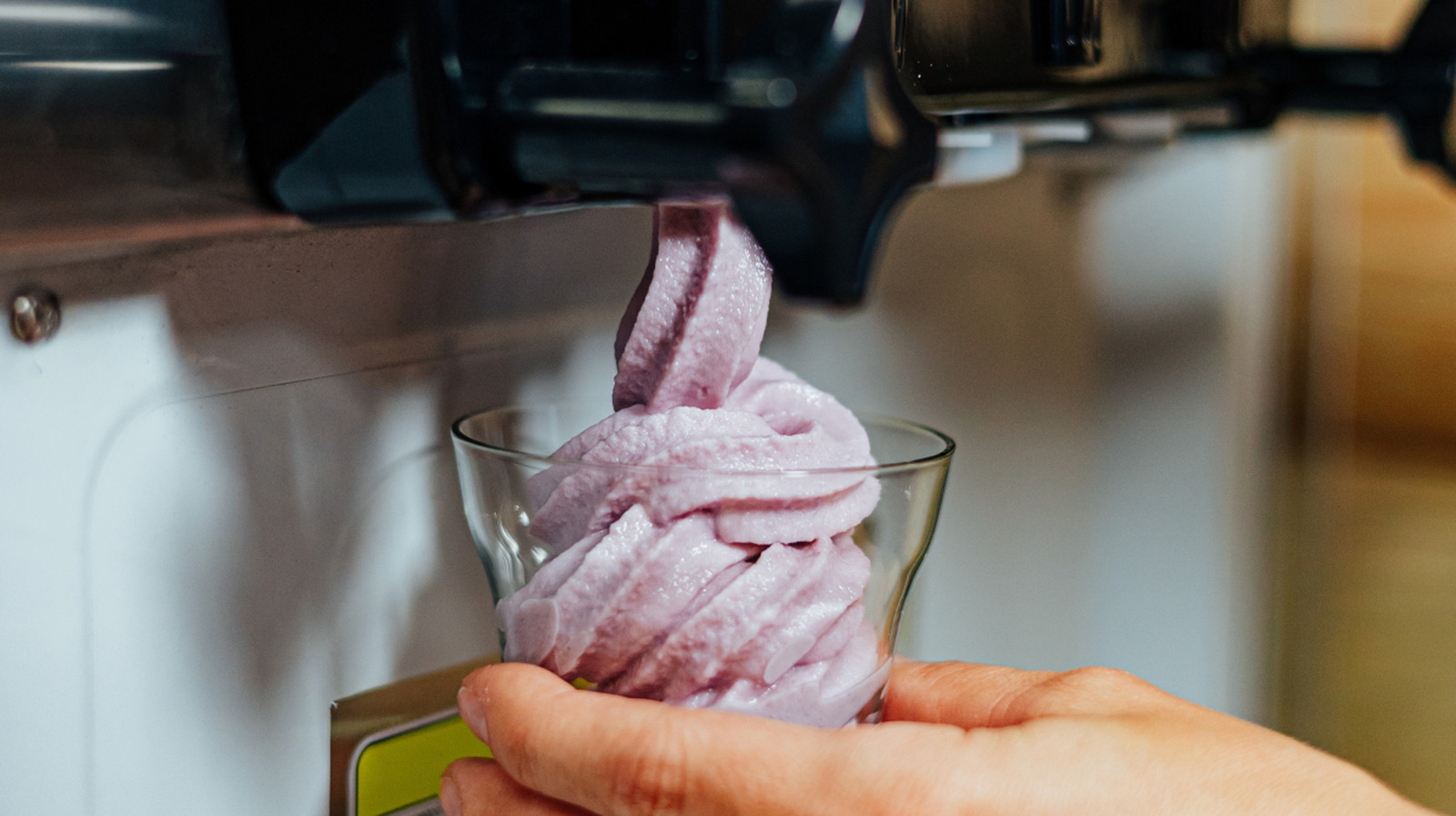
Soft serve gets its smooth texture from what happens inside the machine. The mix is frozen while being churned with air, which creates a lighter, creamier consistency. Unlike hard-packed ice cream, which goes through an additional hardening step after churning, soft serve is dispensed while it's still relatively soft. This allows it to hold that tall, smooth spiral without becoming firm, as a scoop of ice cream would.
Soft serve is often made with an ice cream base, but frozen yogurt can be prepared and served the same way. If soft serve is sold as ice cream in the U.S., it generally has to meet federal standards for ice cream, including at least 10% milkfat.
When it comes to frozen custard versus frozen yogurt, the base ingredients are what set the two apart. Frozen custard is made with egg yolks, while frozen yogurt gets its base and tartness from yogurt. At a shop, two machines can produce nearly identical-looking swirls while serving desserts with noticeably different flavors. A tangier cup is likely frozen yogurt, while a sweeter, milkier one is more likely to be ice cream-based.
A note on cookies
Newshunt uses essential cookies to keep you signed in and to remember your language and country, so the site works the way you expect. With your permission, we'd also like to use analytics cookies to understand how people use Newshunt and improve it over time.
Accepting only affects analytics. To learn more, view our Privacy Policy or Terms & Conditions.
(0)Comments