


Australia calls for Tasmania salmon farm investigation
Category: Health
Share
Archive
Like
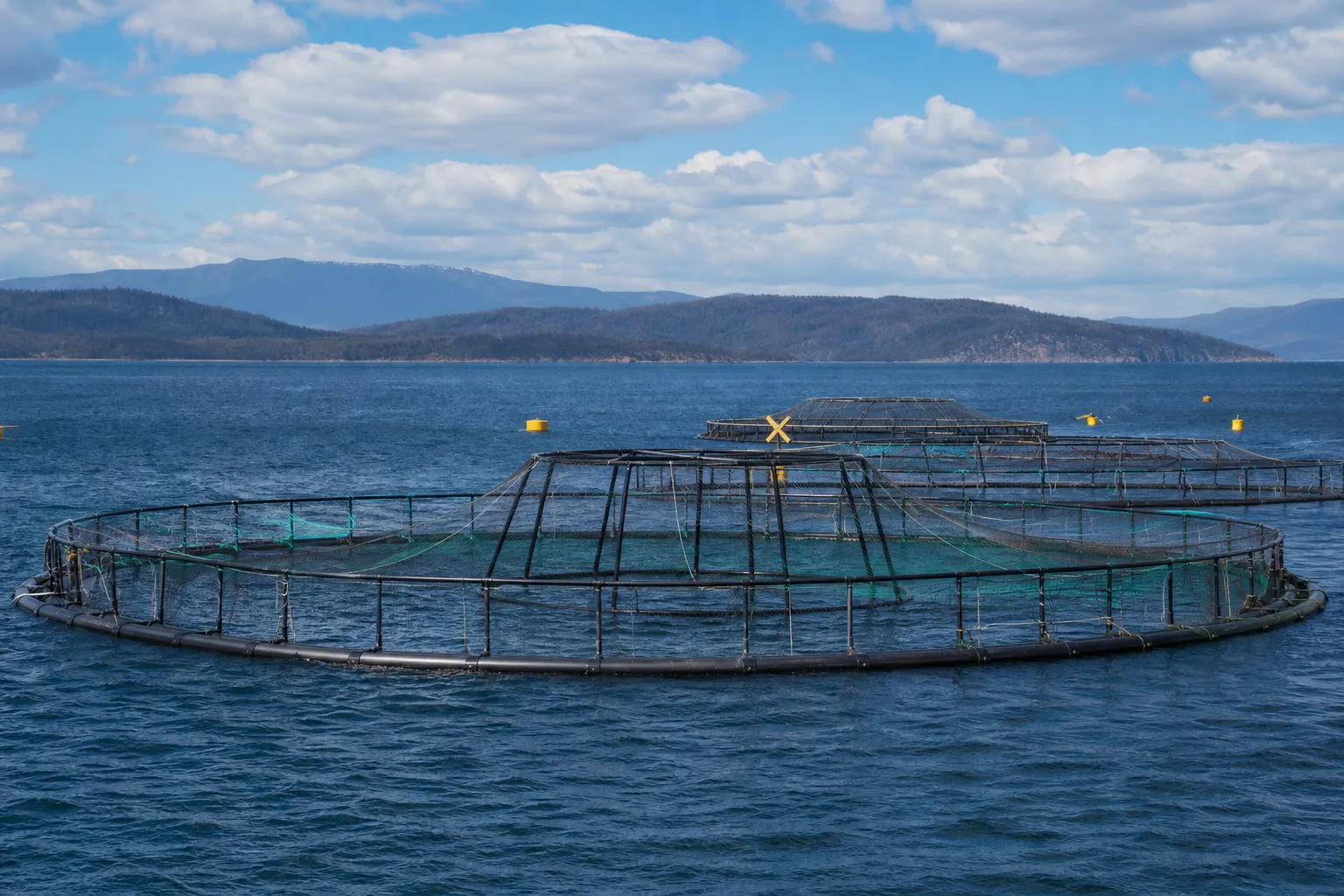
Australian organization Animals Australia has called on Biosecurity Tasmania to immediately investigate possible violations of animal welfare law at Atlantic salmon farms in Tasmania. The complaint concerns Huon Aquaculture, Tassal Group and Petuna Aquaculture and includes allegations of improper treatment of farmed fish, ABC News Australia reports.
Animals Australia said the operators may have breached provisions of the state law concerning the duty of care for animals, their management, cruelty and aggravated cruelty. The organization's lawyer, Shatha Hamade, stressed that salmon are vertebrate animals protected under Tasmanian law and that no exemptions are provided for the salmon industry. Claims concerning fish keeping
The complaint concerns, in particular, the removal of the adipose fin from live fish without anesthesia. This procedure is used for fish traceability. The organization also described as a possible violation the withholding of feed from salmon for up to 72 hours before handling, transportation or slaughter.
Animals Australia maintains that slaughter, stunning and bleeding practices may cause fish unnecessary pain if stunning is ineffective or incomplete. The organization also pointed to the risks of keeping salmon in warm water with low oxygen levels and amid the spread of disease. Separately, it asks for claims of injury or death of seals, dolphins, seabirds and other wildlife in connection with salmon farm operations to be examined.
More current news is available on the UA.News Telegram channel Telegram. Fish deaths and the industry's position
From January to April 2025, the bacterial disease Piscirickettsia salmonis caused mass salmon deaths in pens in southeastern Tasmania. The pens were located in the D'Entrecasteaux Channel and belonged to Huon Aquaculture and Tassal. According to data submitted to the Environment Protection Authority, nearly 15,000 tonnes of dead salmon were delivered to waste management facilities during this period.
Biosecurity Tasmania, which enforces the animal welfare law, confirmed that it had received the complaint and said it was currently being considered. Industry association Salmon Tasmania, responding on behalf of the companies, rejected the allegations, calling them repetitive and false. Its chief executive, John Whittington, said salmon producers are among the country's most regulated primary producers and that fish health is overseen by qualified veterinarians and specialist teams.
New Zealand animal and human rights lawyer Bianca Atlas called the complaint significant. At the same time, she noted that whether an offence had occurred would depend on detailed evidence concerning specific operators, practices, events and the alleged risks.
Read us on Telegram and Sends
Download our app
A note on cookies
Newshunt uses essential cookies to keep you signed in and to remember your language and country, so the site works the way you expect. With your permission, we'd also like to use analytics cookies to understand how people use Newshunt and improve it over time.
Accepting only affects analytics. To learn more, view our Privacy Policy or Terms & Conditions.
(0)Comments