


Pakistan replaces machine-readable passports with e-passports
Category: Tourism
Share
Archive
Like
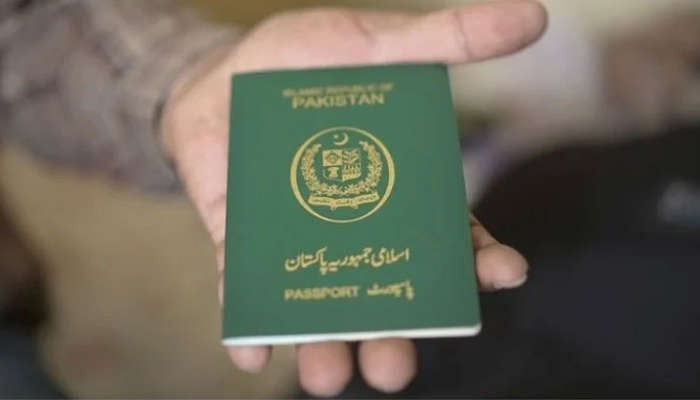
A person holding a Pakistani passport. — AFP.
Pakistan has discontinued the issuance of traditional machine-readable passports, with passport offices across the country and Pakistani diplomatic missions abroad now issuing only e-passports, effective October 23, 2026, The News reported.
According to the Directorate General of Immigration and Passports, the 22-year-old machine-readable passport system has been phased out. However, citizens who already hold machine-readable passports can continue using them until their expiry dates.
Once these passports expire, they will no longer be eligible for renewal, and holders will have to obtain e-passports instead. All passport offices across Pakistan and Pakistani diplomatic missions abroad are now issuing only e-passports, marking the completion of the transition to the modern passport system.
Pakistan began issuing e-passports in March 2022, initially for diplomats and residents of Islamabad.
In August 2023, all Pakistani citizens were given the option of obtaining either a machine-readable passport or an e-passport. Before the introduction of machine-readable passports, Pakistan issued handwritten passports, a practice that began with the country's independence in 1947.
A week ago, while responding to MNA Malik Shakir Bashir Awan during the question-and-answer session in the National Assembly, the interior ministry said that the issuance of MRPs would be discontinued within a month and, thereafter, only e-passports would be issued by the passport offices and Pakistan missions abroad.
A note on cookies
Newshunt uses essential cookies to keep you signed in and to remember your language and country, so the site works the way you expect. With your permission, we'd also like to use analytics cookies to understand how people use Newshunt and improve it over time.
Accepting only affects analytics. To learn more, view our Privacy Policy or Terms & Conditions.
(0)Comments