


This Quiet Pennsylvania Town Has So Many Black Bear Sightings Locals Know To Stay Alert
Category: Blend
Share
Archive
Like
A trash can tips over before sunrise, a dog starts barking at the tree line, and suddenly everyone is paying closer attention.
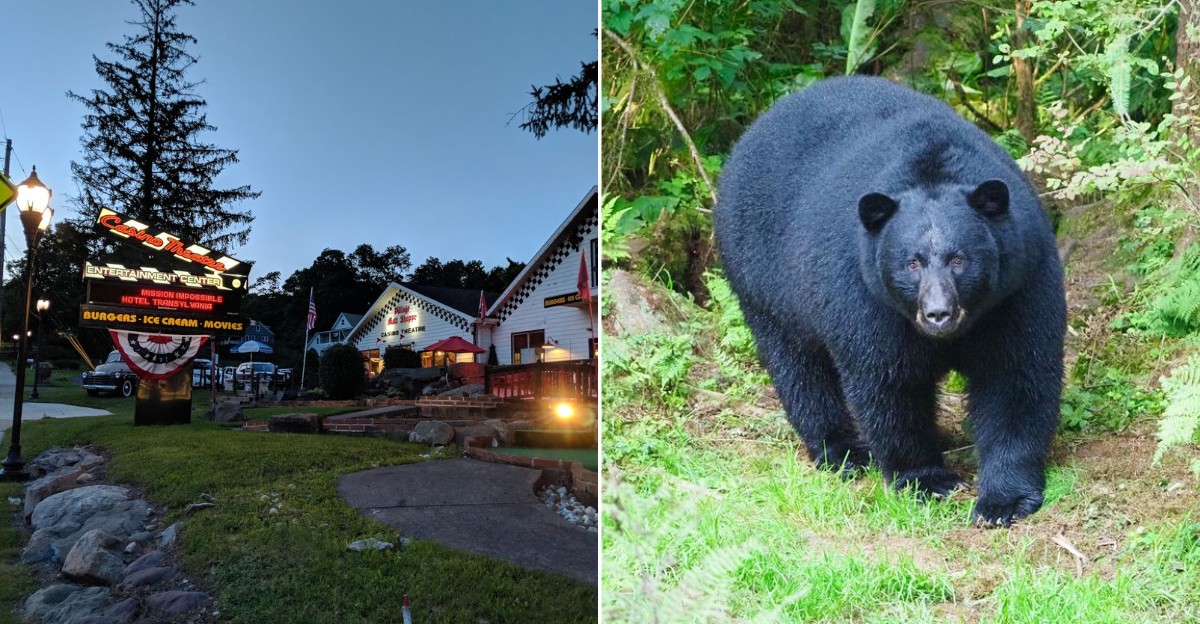
In this quiet Pennsylvania town, black bear sightings are common enough that locals know better than to treat every rustle outside as nothing.
Living near wildlife can be part of the charm, but it also means keeping food secured, watching the yard, and remembering that the woods are never very far away.
The surprising part is how quickly alertness becomes routine. People learn the signs, trade stories, and keep an eye out without turning every sighting into a crisis.
I once stayed somewhere where bears were known to wander through, and I caught myself checking the porch before stepping outside at night.
Nothing happened, but the habit stuck for the rest of the trip. I still laugh at how quickly I went from relaxed visitor to amateur lookout.
In a Pennsylvania town like this, I can see why locals keep one eye on the scenery and the other on the bushes. © Mt Pocono
Garbage is a common reason bears end up on porches, and everyone in town seems to know it.
I noticed heavy latched bins, garage storage, and almost nobody leaving bags out overnight.
One resident explained the routine plainly. Cans go out in the morning, never the night before, because a single easy meal teaches a bear that the street is a buffet.
Grease from grills, birdseed, and pet bowls left outdoors work the same way. Once a bear links people with food, it returns again and again, which usually ends badly for the animal.
Pennsylvania wildlife officers regularly remind Pocono communities that intentionally feeding bears is illegal, and other wildlife feeding can be restricted too.
What impressed me most was how ordinary these habits felt. Nobody acted heroic about it.
Securing trash is just part of living here, like shoveling snow or checking tires before a mountain drive. Small chores, big difference. Image Credit: © Jennifer Kardiak / Pexels
Elevation shapes everything about daily life in Mount Pocono, Pennsylvania, including who wanders through the yards.
The borough sits on a plateau at roughly two thousand feet, surrounded by thick hardwood forest in Monroe County.
That forest is prime black bear habitat, full of oak, beech, and berry patches that feed hungry animals all season long.
Because the town is small, only around three thousand residents, houses sit close to the tree line instead of behind miles of pavement.
I walked a residential street and counted maybe forty steps between a mailbox and genuine woods. Bears do not recognize borough boundaries, so they follow food and water wherever the scent leads them.
Pennsylvania currently supports roughly nineteen thousand black bears statewide, and Monroe County game wardens have reported bear complaints increasing into the summer months.
That confirms the broader area sees regular human-bear interaction, even without any official ranking. Understanding that geography helped me stop being startled and start paying attention instead. © Mt Pocono
Late winter into spring is when Pennsylvania bears begin leaving their dens. Adult males may emerge in late February or early March, while females with cubs can remain denned until April.
I visited during a warm April stretch and heard about three different sightings within a week, all near neighborhoods bordering woods.
None involved conflict, just a bear crossing a lawn and disappearing again.
Mothers with cubs may appear during this period too, which calls for extra distance and zero curiosity. Never approach cubs or place yourself between them and their mother.
Fall brings another period of increased activity as bears feed heavily before denning, so autumn hikers stay alert as well.
Knowing the calendar changed how I planned my mornings. I kept dog walks to open streets, skipped forest edges at dusk, and stopped assuming quiet meant empty.
Timing awareness is the cheapest safety tool available, and it costs nothing but attention. © Mt Pocono
Routes 611, 940, and 196 all converge near this borough, making it a genuine highway hub for the region.
Add nearby Interstate 380 traffic and you get thousands of vehicles rolling past bear country every day.
Wildlife does not read speed limits.
Bears cross roads at dawn and dusk, often where guardrails border thick brush. Drivers here scan the shoulders the way city drivers watch for cyclists.
I slowed twice for animals in a single afternoon, once for a deer and once for something dark that vanished before I could identify it.
Because Mount Pocono absorbs so much tourist traffic heading toward resorts and lakes, visitors unfamiliar with mountain roads sometimes learn this lesson the hard way.
My advice is simple. Dim your high beams thoughtfully, keep following distance generous, and expect the unexpected on curves.
Arriving five minutes later beats explaining a crumpled bumper to a rental company. © Mt Pocono
Sunflower seed is basically bear candy, packed with fat and easy to reach in one swipe.
Pennsylvania wildlife officials specifically warn that bird feeders can attract bears to homes.
BearWise recommends removing feeders when bears are active, or bringing them inside every night if feeding continues. Deep winter does not guarantee that every bear will remain denned.
I saw a bent metal pole in one yard, twisted like a paperclip, and the owner just laughed and called it a souvenir.
Suet, hummingbird nectar, and even compost piles can attract the same attention. Pennsylvania game officials often mention feeders when explaining repeat visits to the same property.
The fix is unglamorous but effective. Store seed securely indoors, clean up spilled food carefully, and bring feeders indoors when bears are active nearby.
Birds adapt fine. Bears, unfortunately, remember every free meal they ever found. © Mt Pocono
Hiking around this part of Pennsylvania rewards you with hemlock shade, mossy boulders, and creek crossings. It also puts you in the same corridors bears use.
Pennsylvania wildlife guidance recommends talking or making noise where hearing or visibility is limited, including thick vegetation or areas beside fast-moving water, to reduce surprise encounters.
I tried it on a shaded loop and felt slightly silly announcing myself to empty woods. Then I remembered that avoiding a surprise encounter is the entire point of making noise.
Keep dogs leashed, since an off leash dog can create problems during a bear encounter. Carry snacks securely and pack every wrapper out.
If a bear has seen you at close range, stay calm and back away slowly while facing it, avoiding direct eye contact and giving it room to leave.
My favorite hike ended with zero bears and plenty of birdsong, which counts as a perfect day. © Mt Pocono
Tourism has shaped this borough since railroad days, when visitors came up for cool mountain air.
Today lodges, rentals, and attractions surround the area, bringing steady crowds year round.
Vacationers often do not realize their grill drippings or cooler on the deck matter. A bear that learns to check rental porches becomes a recurring headache for the next dozen guests.
Staff at properties around Mount Pocono post reminders about food storage for exactly that reason. I read one laminated sign that said, quite bluntly, that bears are not photo props.
Keeping distance is both safer and legally smarter, since harassing wildlife is prohibited in Pennsylvania.
My own approach was to treat any bear sighting like weather. Interesting, worth watching from indoors, and absolutely not something to walk toward.
Respectful visitors leave the mountain exactly as they found it, minus a few marshmallows. © Mt Pocono
Growing up around here means bear safety lands somewhere between fire drills and bicycle helmets. Families teach the basics before children can spell Pennsylvania.
Never approach, never run, tell an adult, and never leave food outside. Simple rules, repeated until they stick.
I chatted with a parent waiting at a bus stop who mentioned her son once watched a bear cross the road from behind the storm door, narrating like a nature host. She sounded proud rather than rattled.
Schools and community groups in Monroe County sometimes host wildlife education talks, which helps normalize calm behavior instead of panic.
That steady attitude explains why sightings rarely become incidents. Fear makes people freeze or flee.
Knowledge makes them back up quietly and close the door.
Honestly, I left town wishing more places taught this kind of practical outdoor sense.
Respect beats bravado every single time. © Mt Pocono
Snow is common on the plateau through winter, and the woods can go remarkably still.
Most bears settle into dens under root systems, brush piles, or rock ledges during the coldest stretch.
Black bears in Pennsylvania do hibernate, although they remain capable of waking if disturbed. Males may stay active into January, and denning timing varies with food conditions.
I noticed tracks near a snowbank during a mild spell and felt genuinely delighted, mostly because they were heading away from me.
Locals still keep trash secured through winter for this exact reason. Habits do not take seasons off.
Snow can make a dark bear easier to spot when one is active, but winter does not guarantee sightings or inactivity.
Bring traction for icy sidewalks, layer up for the elevation, and keep your eyes open on quiet mornings. Winter here is peaceful, not empty. © Mt Pocono
Not every bear needs a phone call, and residents here have a decent sense of the difference.
A bear passing through the yard is normal. A bear that becomes destructive, damages property, or threatens people should be reported promptly.
The Pennsylvania Game Commission handles those situations through regional offices, and accurate details can help officers understand a recurring pattern.
I heard about a neighbor who logged the time, direction, and behavior of a repeat visitor, which helped officers understand the pattern.
Sharing information also protects newcomers who may not recognize warning signs like huffing, jaw popping, or bluff charges.
Those are warning behaviors, and the answer is to stay calm and give the animal room immediately.
Community awareness can help a small borough surrounded by bear habitat reduce preventable conflicts and repeat visits.
Mount Pocono taught me that living alongside wildlife is less about luck and more about paying attention together.
A note on cookies
Newshunt uses essential cookies to keep you signed in and to remember your language and country, so the site works the way you expect. With your permission, we'd also like to use analytics cookies to understand how people use Newshunt and improve it over time.
Accepting only affects analytics. To learn more, view our Privacy Policy or Terms & Conditions.
(0)Comments