


Murano and the art of Venetian glass in the lagoon
Category: Tourism
Share
Archive
Like
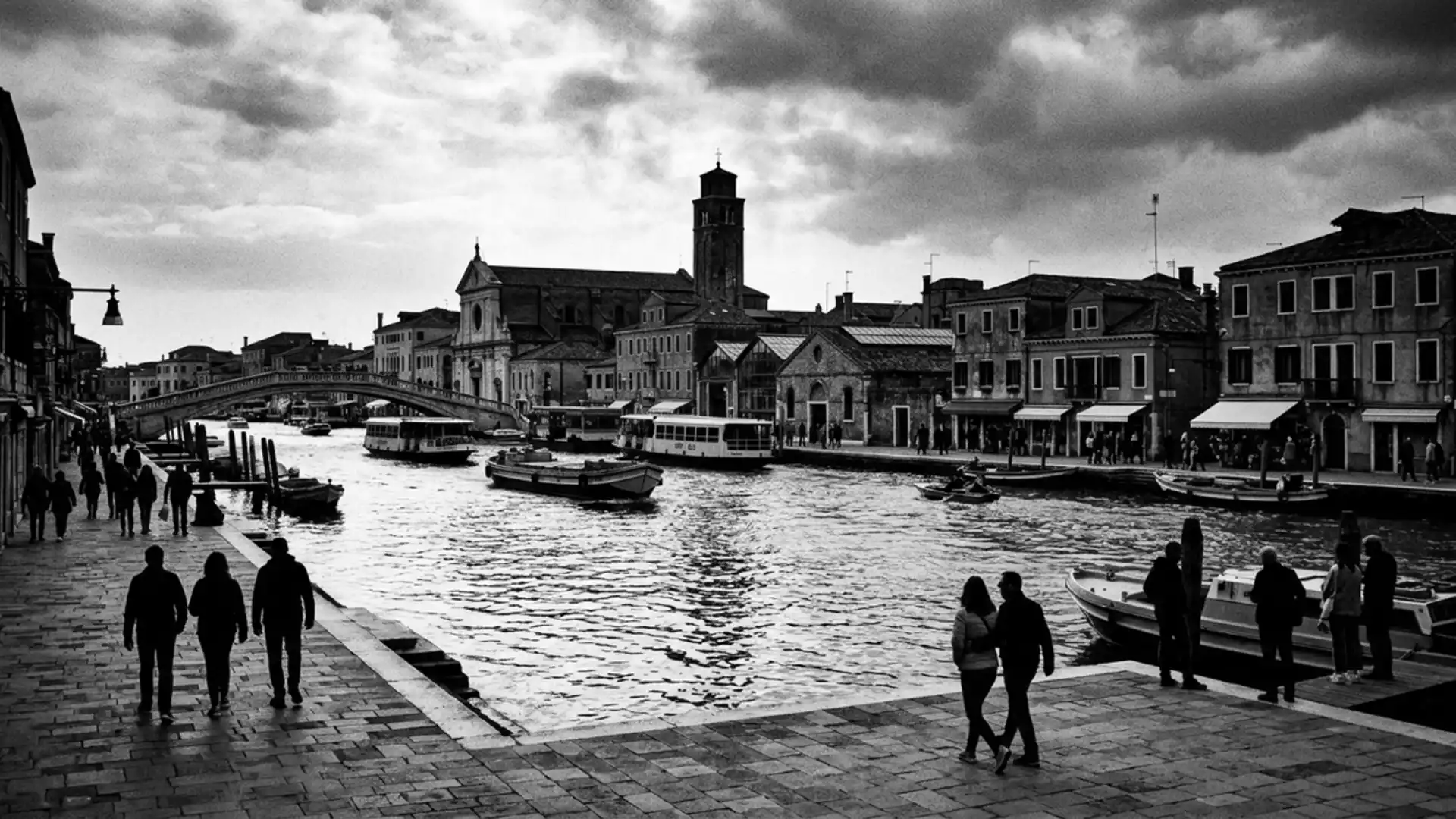
Murano, just off Venedig in the Venetian Lagoon, is shaped by centuries of glassmaking and island life, revealing a working craft landscape behind the colour.
Murano is a major island in the Venetian Lagoon near Venedig, known above all for glassmaking that has been concentrated here since the late thirteenth century.major island The lead story of Murano is simple to see: workshops, furnaces and showrooms line the canals, turning this low-lying strip of land into an industrial landscape of glass in the middle of the water.
Murano in the Venetian Lagoon
Murano lies in the northern part of the Venetian Lagoon, a short distance across the water from the historic centre of Venedig.in the Venetian Lagoon It is formed by a group of islands linked by bridges and narrow canals, with quays, low houses and industrial buildings pressed against the water like the rest of the lagoon settlements.
The island's documented history reaches back to at least the ninth century, when a settlement named Amuriana appears in early records related to the region.early records Over the centuries Murano developed its own parish churches, residential quarters and trading life, linked to Venice by boat and sharing the same maritime setting of mudflats, tidal channels and distant views towards the Adriatic.
How Murano became the glass island
Glassworking in the Venice area has roots at least as far back as the tenth century, when artisans in the city produced everyday vessels and early decorative glass.glassmaking in Venice In 1291 the government of the Venetian Republic ordered that the city's glass furnaces be moved to Murano, concentrating kilns and workshops on this island in the lagoon.ordered to move
From that decree in 1291 onward, Murano became the recognised centre of Venetian glass, with maestri running furnaces and passing their skills within tightly controlled guilds.glass capital In the fifteenth century Angelo Barovier, a glassmaster based on the island, developed cristallo, a remarkably clear glass that helped make Murano's products sought after across European courts.Angelo Barovier Later centuries saw techniques such as millefiori, filigrana and lattimo refined here, reinforcing Murano's identity as a specialist glassmaking district rather than a typical fishing island.
Glass factories, churches and everyday streets
Walking through Murano brings together several layers of its history: canals lined with glass factories, showrooms full of art glass and older religious buildings such as the church of Santa Maria e San Donato.church of Santa Maria e San Donato The church, rebuilt in the twelfth century, is known for its apse and mosaic floor, a reminder that Murano's story is not only industrial but also ecclesiastical and residential.twelfth-century church
Many of the furnaces and workshops sit directly beside the water, with courtyards and sheds where glass is melted, blown and shaped into chandeliers, vases and beads.Murano art glass Alongside these industrial buildings, Murano has ordinary lagoon housing, small squares and boat landings that show it as a lived-in island as well as a centre of glass production.
Visiting Murano: what travellers from Western Europe should know
Murano stands north of the historic centre of Venedig in the Venetian Lagoon and is reached by water transport from piers such as Fondamenta Nove.accessible by water
The island landscape is level but involves walking along quays, crossing bridges over canals and moving between workshops and churches on foot.
Murano lies within Italy; the official language is Italian and the currency is the euro.
Searching for Murano on social platforms
These links open searches for Murano on each platform.
Frequently asked questions about Murano
Where is Murano located?
Murano is an island group in the northern Venetian Lagoon, lying a short boat ride north of central Venedig in north-eastern Italy.
What should visitors expect on a visit to Murano?
Visitors encounter canals lined with glass workshops, showrooms, ordinary houses and churches, combining working industry with residential streets and waterfront walks.
What makes Murano distinctive among lagoon islands?
Murano stands out for its centuries-long concentration of glass furnaces and workshops, a specialisation formalised by the 1291 decree that relocated Venice's glassmaking to the island.
A note on cookies
Newshunt uses essential cookies to keep you signed in and to remember your language and country, so the site works the way you expect. With your permission, we'd also like to use analytics cookies to understand how people use Newshunt and improve it over time.
Accepting only affects analytics. To learn more, view our Privacy Policy or Terms & Conditions.
(0)Comments