


Locals Avoid This New York Swimming Hole Because The Water Is Freezing Year-Round
Category: Tourism
Share
Archive
Like
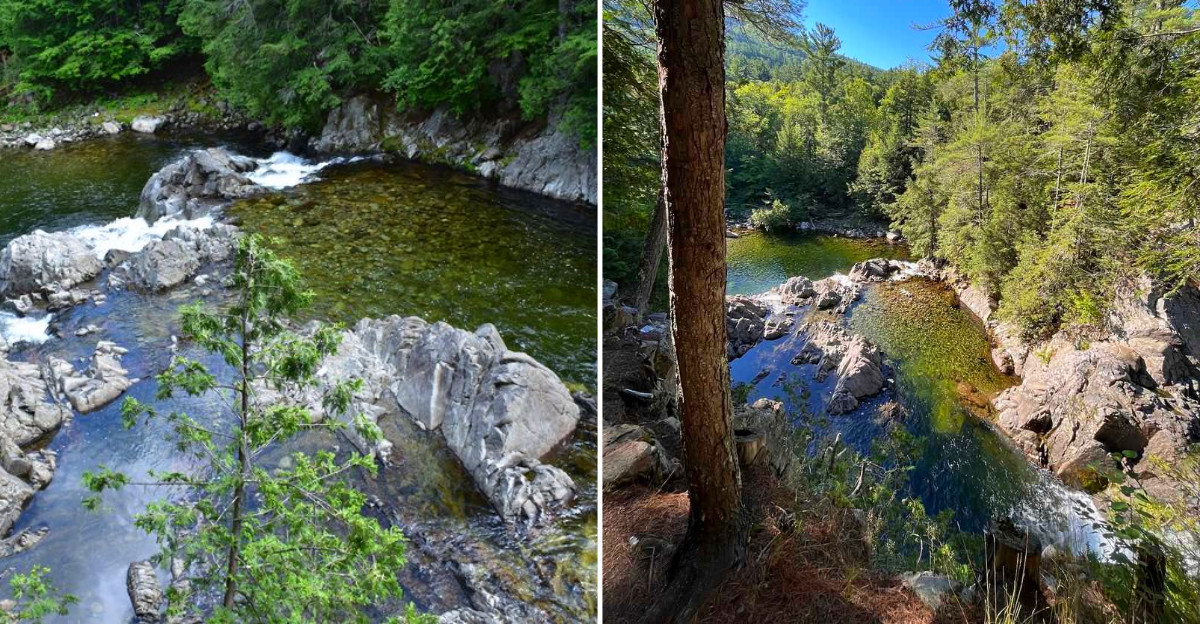
A waterfall in New York keeps its water cold no matter what the afternoon does. It sits along a quiet stretch of highway, close enough that you hear it before anything comes into view, and the sound is the first hint of what the temperature is going to be like.
People who get in come back with the same three things to say. The shock first, always. Then the clarity, which is the part nobody expects. Then the color, a green blue that photographs badly and looks unreal in person.
Wild, free and genuinely bracing is a specific combination, and swimming holes that manage all three tend to stay in your memory longer than the comfortable ones. This is one of them.
A Cold Shock Worth Chasing
Cold water has a way of waking up every nerve you own. The pools here sit under a tiered waterfall that drops somewhere between 30 and 47 feet, and the flow keeps moving fast enough that the sun never gets a real chance to warm it.
Granite and thick forest filter the river before it arrives, which is why the water looks almost unnaturally clear. You can stand at the edge and count stones on the bottom.
Regulars know the drill. You wade in slow, you gasp, and then something clicks and your body settles. Ten minutes later the heat of the day feels like someone else's problem.
The chill is exactly why crowds thin out in spring and early fall. Plenty of people show up, look at the water, and decide watching is enough. That leaves more room for the ones who want the full plunge.
Anyone who has swum in Adirondack rivers knows this is normal. Mountain water runs cold all season. The difference here is that the reward comes with a waterfall soundtrack and a pool deep enough to actually swim in rather than just splash around.
Split Rock Falls And How To Find It
Names do not get more literal than this one. Split Rock Falls earns it from the prominent rock formation up top that divides the water into separate rushing channels before everything rejoins below.
The falls sit on the Boquet River in Essex County, and the mailing address reads simply Elizabethtown, NY 12964. Drivers coming up Interstate 87 want Exit 30, then north on Route 9 for roughly 4.5 miles.
You will find a small unmarked parking area on the right side of the road, just past the bridge crossing the river. It holds about five cars, so timing matters more than luck.
There are no big signs pointing the way. Trust your map app and slow down when you cross water.
Once you park, the first viewpoint takes about a hundred feet of walking. That is the whole commitment for the postcard view.
Access costs nothing. The land became state property in 1982 and now sits inside the Hammond Pond Wild Forest within Adirondack Park. Free waterfalls in New York are rarer than they should be, and this one delivers without asking for a dime.
Three Tiers, Three Personalities
Most waterfalls give you one good look and call it a day. This one hands over three.
The upper cascade is where the split happens, water carving around stone in two directions. Stand above it and the whole river seems to argue with itself before agreeing to fall.
Middle section is the star for swimmers. That pool runs remarkably deep, possibly past 30 feet, which explains why it stays so cold and so still looking on the surface.
Lower down, things calm considerably. The pool at the base of the bottom cascade measures around 8 feet deep, friendlier for wading and for anyone who wants to test the temperature before committing.
Each level has its own crowd. Photographers park themselves at the overlook where all the tiers stack into one frame. Swimmers head for the middle.
Families with young kids usually stay near the shallower water and the flat rocks.
Spend an hour moving between them and you get three different waterfalls for the price of one short walk. That kind of value is hard to argue with on a summer afternoon in the mountains.
Footwear Makes Or Breaks The Trip
Flip flops have no business here. The rocks stay damp from constant spray, and wet granite turns slick in a hurry.
Water shoes with real grip solve almost every problem at this spot. They handle the scramble down, they handle the river bottom, and they save your feet from sharp edges hiding under the surface.
Getting to water level takes a short but genuinely steep descent. The path is more of a worn route than a groomed trail, and loose gravel adds to the challenge.
Take it slowly. Use your hands on the steeper pitches. Going down is usually harder than climbing back up.
Visitors of all ages make the trip, from kids to grandparents, so it is not beyond most people. It simply asks for attention instead of speed.
Skipping the descent is a perfectly good choice too. The overlook near the parking area sits only a few feet from the car and still shows off the falls beautifully.
Pack a towel, dry socks, and a change of shoes for the ride home. Damp feet on a long Adirondack drive get old fast.
Morning Light, Empty Rocks
Arrive early and the place practically belongs to you. Sunrise light slants through the trees and hits the spray, and the river noise fills in for conversation.
By late morning on a warm weekend, the small lot fills and cars start circling. Parking is the single biggest headache during July and August.
Early birds also get first pick of the good rocks. Flat sunny ledges near the water become prime real estate once the crowd arrives.
Weekday visits work almost as well as early mornings. Tuesday in mid summer feels far different from Saturday at noon.
Photographers have their own reason to show up at dawn. Soft light keeps the white water from blowing out, and the clear pools take on that deep green blue tone people rave about.
Mist tends to hang around the lower cascade first thing in the day. It burns off within an hour or two, so the window is short.
Bring coffee, sit on a warm stone, and let the falls do the talking. Some mornings the only other visitors are chipmunks doing laps across the rocks.
Swim Smart Because Nobody Is Watching
No lifeguards work this spot. It operates as an unofficial swimming area, which means safety is entirely a personal project.
Current strength changes with rainfall. After a big storm the falls and rapids move fast enough to sweep a swimmer downstream, and the water level rises quickly.
Check conditions before you get in. Calm surface water above a drop can hide serious push underneath.
Cold water also affects your body faster than most people expect. Muscles tighten, breathing speeds up, and stamina drops. Short swims beat long ones here.
Cliff jumping happens regularly at the falls, and it comes with real risk. Depths vary between pools, submerged rocks shift over the seasons, and what worked last summer may not be safe now.
Swimming with a buddy is the simplest safeguard. Someone on shore watching makes a difference.
June through August offers the most comfortable conditions overall, mostly because the air is warm even when the water refuses to cooperate. Outside those months the chill turns serious.
Respect the river and it rewards you. Rush it and the Boquet has opinions of its own.
Ten Minutes Or Half A Day
Flexibility is this waterfall's quiet superpower. You can pull over, walk a hundred feet, snap a photo, and be back on the highway inside a quarter hour.
Or you can settle in. Plenty of visitors turn it into a full afternoon of swimming, rock hopping, and wandering the woods above the gorge.
The forest around the falls hides small surprises. Mushrooms in odd shapes and colors pop up along the shaded stretches after wet weather.
Bring a picnic and you have a whole outing. Flat rocks near the water double as tables, though shade comes and goes.
Families often split the difference. One parent stays at the upper viewpoint with the little ones while everyone else scrambles down for a swim.
Road trippers heading toward Lake Placid or Keene find it a natural stretch break. The falls sit close enough to Route 9 that the detour barely counts as one.
Whatever length you choose, pack out everything you carry in. Wild places in New York stay beautiful because visitors leave them the way they found them.
Seasons Change The Show
Spring turns the falls into a roaring spectacle. Snowmelt from the surrounding mountains pushes serious volume over the ledges, and swimming becomes a bad idea entirely.
Summer brings the balance most people want. Flow settles, pools clear up, and the heat makes that famous chill feel like a gift instead of a punishment.
Autumn might be the prettiest stretch of all. Maples along the Boquet turn red and gold, and the contrast against white water is genuinely striking.
Fewer swimmers show up in October, though photographers arrive in numbers. The overlook gets busy on peak foliage weekends.
Winter transforms everything. Ice forms along the edges and the rocks become far too dangerous for exploring, so viewing from above is the sensible move.
Water temperature stays low across all four seasons regardless. That consistency is the whole reputation of the place.
Daylight hours are your practical schedule since the site has no posted times and no artificial lighting anywhere.
Come back twice in one year and it hardly feels like the same waterfall. That is a fair reason to keep the drive on your calendar.
A note on cookies
Newshunt uses essential cookies to keep you signed in and to remember your language and country, so the site works the way you expect. With your permission, we'd also like to use analytics cookies to understand how people use Newshunt and improve it over time.
Accepting only affects analytics. To learn more, view our Privacy Policy or Terms & Conditions.
(0)Comments