


Karachi tightens scrutiny of police killings amid concerns over staged shootouts
Category: Politics
Share
Archive
Like
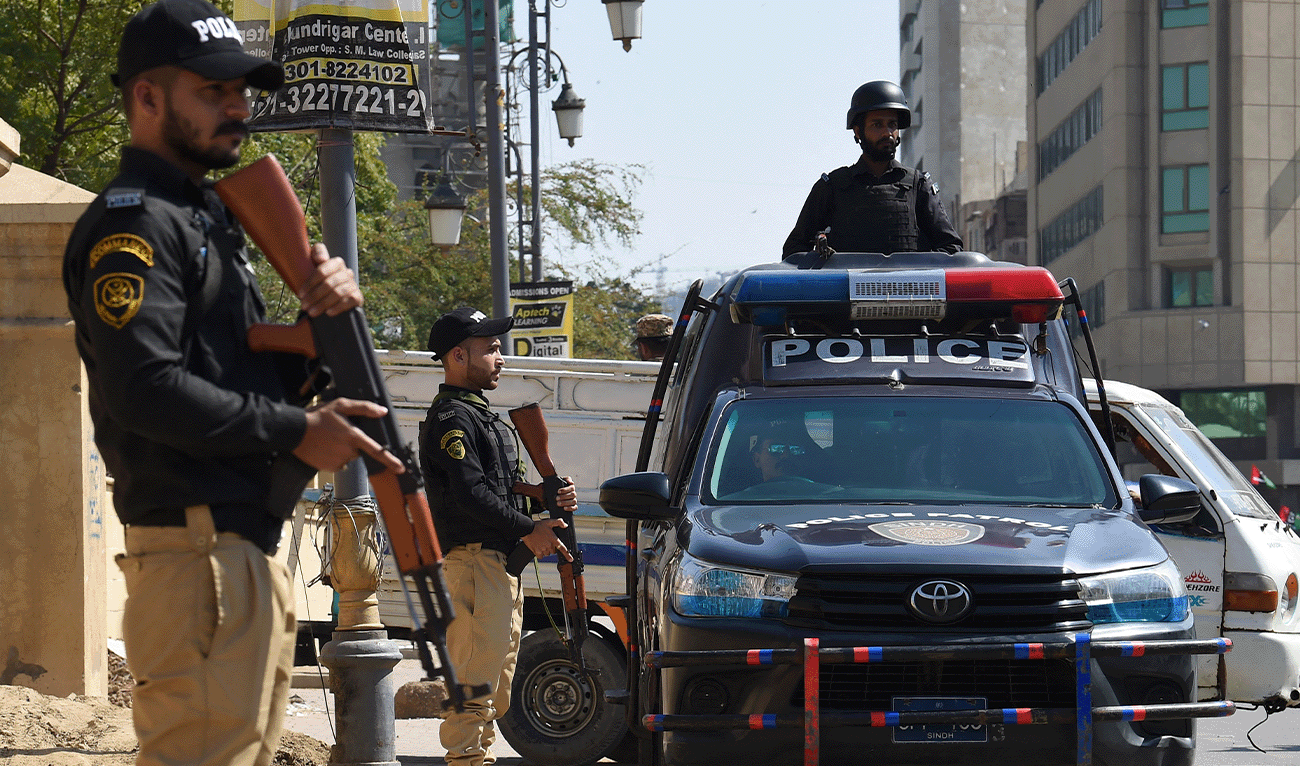
KARACHI: Pakistan’s largest city has tightened rules for examining people police say were killed in shootouts, requiring doctors to involve a magistrate before an autopsy amid concerns that some confrontations are staged to conceal unlawful killings.
The Nov. 6 order gives a magistrate a role from the outset in cases where the conduct of police officers may itself be in question. Doctors must document injuries and preserve evidence while awaiting judicial directions. Under Pakistani law, magistrates must investigate deaths in police custody and can also open inquiries into other suspicious deaths.
The change comes amid wider concern over how Pakistan investigates deaths involving its security forces. In 2024, the United Nations Human Rights Committee urged Pakistan to investigate allegations of extrajudicial killings promptly, impartially and thoroughly.
“During the past 14 days, since I issued the order, no suspected staged encounter case has been brought to us,” Dr. Summaiya Syed, Karachi’s police surgeon, told Arab News.
Before the order, more than five bodies of people reportedly killed in police shootouts were brought to one Karachi hospital, Abbasi Shaheed, over 10 days, according to a person familiar with its forensic medical work. The hospital tally covers reported shootout deaths, while Syed’s figure covers suspected staged cases referred to her department. Comparable figures would be needed to assess whether deaths have fallen.
A Karachi police official referred questions to the city’s additional inspector general, who did not respond to requests for comment.
Under the order, doctors must photograph the body, record injuries and the condition of clothing, and obtain whole-body X-rays where available. They must record the identities and signatures of the officers who brought in the body. Conclusions about where bullets entered or exited are reserved for the autopsy.
In Punjab, a separate province from Sindh, where Karachi is located, the independent Human Rights Commission of Pakistan documented 924 reported deaths of suspects in at least 670 police operations reported as encounters between April and December 2025. The commission compiled the figures from news reports after seeking official data and called for a judicial inquiry. Punjab’s Crime Control Department rejected allegations of staged shootouts and said it used force only as a last resort.
WHEN EVIDENCE IS LOST
A separate Karachi murder inquiry showed how failures in the first hours of an investigation can jeopardize a prosecution. Mir Raza Ali, a 25-year-old business owner, disappeared on July 28 and was found dead the next day. His family challenged investigators’ initial suggestion that he had died by suicide. A second autopsy, conducted after his body was exhumed, ruled out suicide.
“This case demonstrates an epic failure by the police in their investigation,” the judicial commission led by Sindh High Court Justice Omar Sial said in its report.
The commission identified failures in securing the crime scene and collecting and preserving evidence, including surveillance footage. Sindh’s provincial government formed a multiagency team in October to investigate the murder and sought a separate federal inquiry into a possible police cover-up.
In Rawalpindi, near Islamabad, investigators probing the August killing of digital media executive Hina Javed cited forensic evidence in identifying a domestic worker as the principal suspect and ruling out her husband’s involvement. Javed’s family disputed the findings and a parliamentary panel recommended a fresh inquiry.
"QUEST FOR TRUTH"
Dr. Ishtiaq Ahmad Khan, who heads the Sindh Forensic DNA and Serology Laboratory at the University of Karachi, said the reliability of forensic findings depends on how evidence is collected and preserved, and how it is assessed alongside other findings.
“The absence of a suspect’s DNA does not necessarily establish innocence of the suspect,” Khan told Arab News, adding that a person may leave no biological material behind, and samples can degrade or go undetected when collection is delayed.
“Findings should be scientifically correlated, and no single piece of evidence should be interpreted in isolation,” Khan said. In sexual assault cases, he said, delays, washing or a change of clothes can affect whether investigators recover DNA.
“So even one negative report should not impact the quest for truth,” he said.
Khan called for common procedures across Pakistan for securing crime scenes, preserving and transporting samples, and documenting who handles evidence from collection through analysis. He said laboratories should use validated methods and be accredited to international standards.
The UN’s Minnesota Protocol, a guide to investigating potentially unlawful deaths, calls for independent, thorough investigations and the preservation of relevant evidence.
“Enactment and nationwide implementation of a comprehensive National DNA Act is essential to provide a uniform legal framework for DNA evidence collection, analysis, storage, data banking, access, use and protection of individual privacy across all jurisdictions in Pakistan,” Khan said.
A note on cookies
Newshunt uses essential cookies to keep you signed in and to remember your language and country, so the site works the way you expect. With your permission, we'd also like to use analytics cookies to understand how people use Newshunt and improve it over time.
Accepting only affects analytics. To learn more, view our Privacy Policy or Terms & Conditions.
(0)Comments