


Grid security order threatens US AI battery supplies
Category: SciTech
Share
Archive
Like
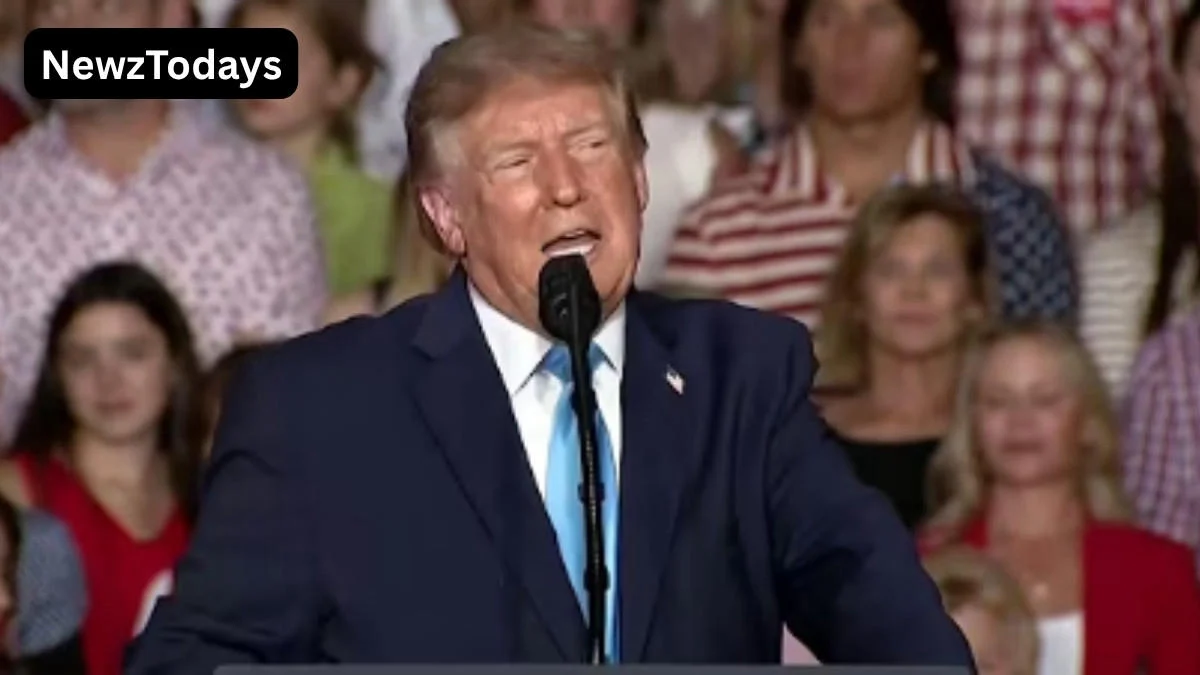
A recent executive order issued by former President Donald Trump aiming to enhance the security of the United States power grid could inadvertently disrupt the country's rapid expansion in artificial intelligence (AI) technologies. Specifically, the order targets imports of critical grid equipment, but experts warn that its greatest negative impact could be on battery storage supply chains vital for AI data centers. Impact on Battery Storage Supply Chains
Executive Order 14421, signed in late August 2026, restricts certain Chinese-made components such as substation transformers, inverters, battery energy storage systems, high-voltage circuit breakers, and turbines. Analysis by energy consultancy firm Rystad Energy indicates that although imports of traditional grid equipment from China have decreased substantially in recent years, the U.S. remains heavily dependent on Chinese lithium-ion batteries.
China accounts for roughly half of all U.S. lithium-ion battery imports by value as of mid-2026, with no other country currently capable of matching that volume to meet domestic demand. Battery storage systems are especially critical for powering data centers and AI infrastructure, sectors growing quickly in response to surging computational needs. Minimal Exposure in Transformers and Breakers
The order's restrictions on transformers and switching devices come after significant diversification efforts: only 3% of transformer imports and less than 1% of circuit breaker imports originated from China in the year leading up to June 2026. Countries like South Korea, Mexico, and Canada dominate these supply chains, with manufacturers such as Hyosung Heavy Industries securing multi-billion-dollar contracts with American tech firms.
Conversely, the U.S. inverter market has also seen a decline in Chinese imports, aided by domestic manufacturing incentives. Why This Matters for Pakistan and Regional Tech Development
For Pakistan, which is actively pursuing AI and data center development within its tech ecosystem, lessons from the U.S. experience underscore the importance of resilient supply chains for critical technologies. Disruptions to battery supplies could delay advancements in AI infrastructures globally, affecting countries reliant on imported components, including Pakistan.
Geoffrey Hebertson, Senior Analyst for Renewables and Power at Rystad Energy, highlighted this concern by stating, 'The supply chain issue laid out by the order poses tangible national security risks due to the critical role AI and data centers now play.' This development highlights the need for diversified sourcing and investment in local manufacturing hubs to prevent potential bottlenecks.
As AI continues to penetrate various sectors worldwide, ensuring uninterrupted access to essential components like batteries will be crucial. Pakistan's tech stakeholders may find it necessary to examine their supply chains and explore regional cooperation to mitigate risks stemming from similar geopolitical or trade restrictions. Related Stories
A note on cookies
Newshunt uses essential cookies to keep you signed in and to remember your language and country, so the site works the way you expect. With your permission, we'd also like to use analytics cookies to understand how people use Newshunt and improve it over time.
Accepting only affects analytics. To learn more, view our Privacy Policy or Terms & Conditions.
(0)Comments