


Plan in Cork for development on historic spa site refused, on appeal, for not having enough homes
Category: Entertainment
Share
Archive
Like
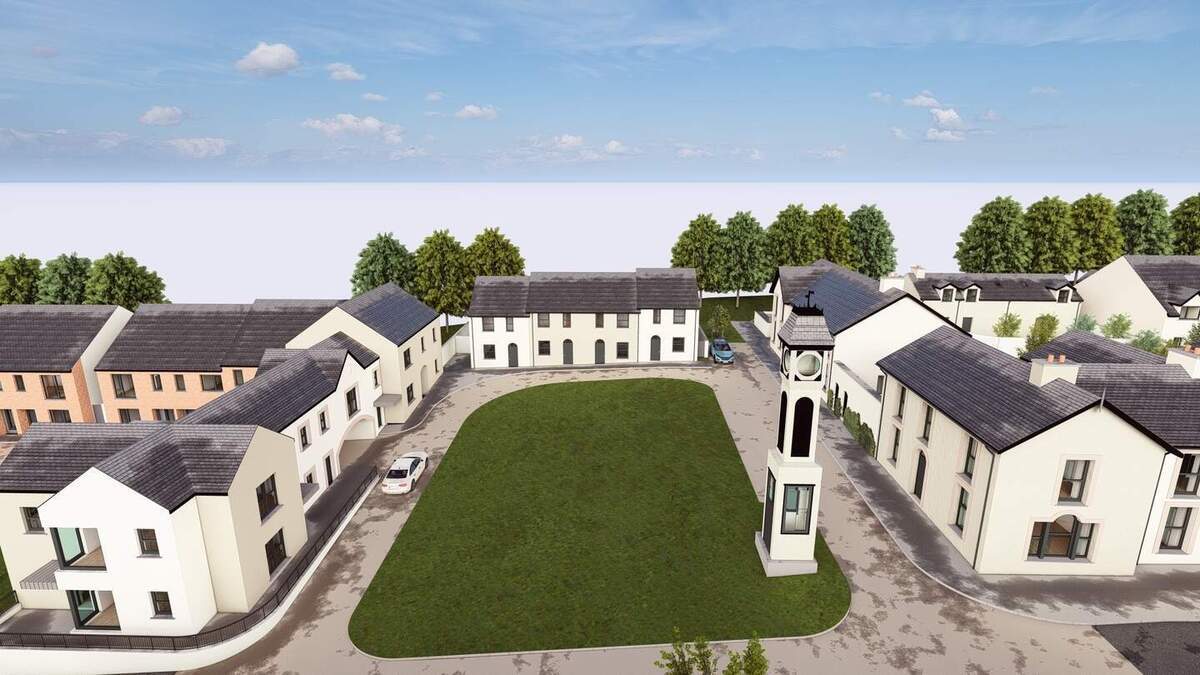
An Coimisiún Pleanála (ACP) has refused planning permission for 80 homes to be built on the site of a former spa near Blarney, ruling that the housing density of the proposed development would be too low.
In June, Cork City Council gave conditional planning permission for 55 houses and 25 apartments to be built on an 11-hectare site associated with the Former St. Ann's Hydropathic Establishment, which were the first Victorian Turkish baths built in the UK and Ireland.
The original application by OMDC Ltd was for 100 homes, but it was revised down to 80 by the developer after the city council sought further information.
The spa, located around 2 km from Blarney and less than 1 km from Tower, was founded in 1843, and by the end of the century it had become a significant resort, with 80 bedrooms, tennis courts, a bowling alley, and even a golf course.
Read more Major Cork housing scheme sent back to appeals board after initial rejection
Objectors to the proposal, which would have seen parts of the old spa demolished, included Blarney Castle Estate, which expressed concerns about the visual impact the development would have on the area.
'For Blarney Castle, the views from the Castle Tower are equally important as views to it,' it outlined in its submission. It said that the development would cause Blarney and Tower to merge, creating 'suburban sprawl to the detriment of both villages and Blarney Castle visitors.'
The city council's approval for the development was appealed to ACP by several parties, including Blarney Castle Estate and the Hydro Farm Allotments Group.
Postcard image of the former spa.
The national planning appeals board has now refused planning permission, rejecting the conclusion of its own inspector who recommended that the application be approved.
In its decision ACP said it 'considered the overall layout of the site, at the density envisioned, would comprise an inefficient and unsustainable use of these zoned serviced lands in a manner contrary to the national guidance and statutory policy context.'
The proposed development would have a density of 17.3 dwellings per hectare (dph), which, ACP said, 'would be significantly below the ranges of 40 dph to 80 dph (net) for suburban/urban extension of Cork City and suburbs' as set out in Department of Housing guidelines.
ACP also said that the proposed density would be less than half the minimum density range requirement outlined in the Cork City Development Plan.
Funded by the Local Democracy Reporting Scheme.
A note on cookies
Newshunt uses essential cookies to keep you signed in and to remember your language and country, so the site works the way you expect. With your permission, we'd also like to use analytics cookies to understand how people use Newshunt and improve it over time.
Accepting only affects analytics. To learn more, view our Privacy Policy or Terms & Conditions.
(0)Comments