


Portugal Highlights Its Position to Convert Restored Historic Structures in Porto and Other Cities Into Heritage Attractions
Category: Tourism
Share
Archive
Like
Portugal Highlights Its Position to Convert Restored Historic Structures in Porto and Other Cities Into Heritage Attractions
Written By:
Anamika Talukder
Being an SEO content writer, I specialize in travel, tourism, and digital media, creating engaging, research-driven, SEO-optimised articles, destination guides, news reports, and web content that improve search visibility, attract audiences, and deliver compelling storytelling. Anamika Talukder
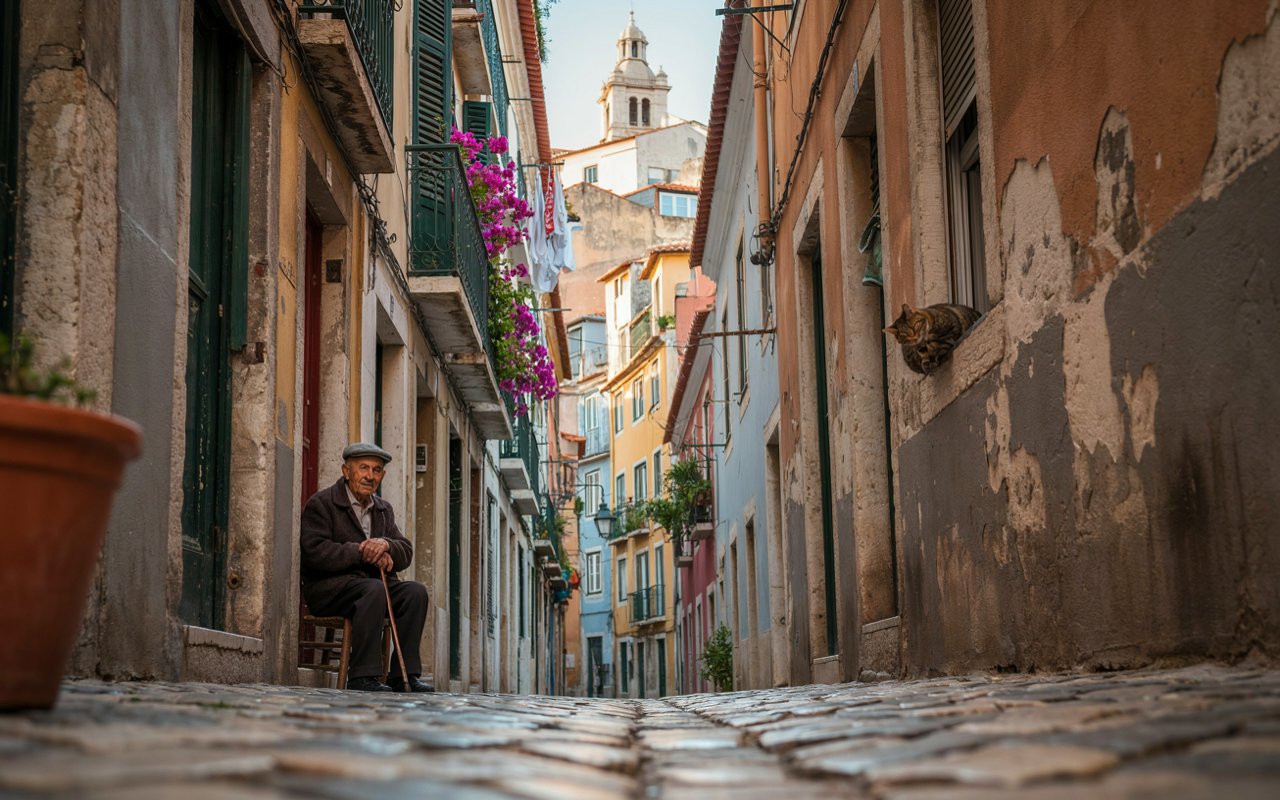
Image generated with Ai
Portugal is strengthening its position as a cultural tourism destination in 2026 by restoring historic buildings, former religious complexes, palaces, industrial structures and traditional urban areas into heritage attractions. Cities such as Lisbon, Porto, Braga, Coimbra, Évora, Guimarães and Sintra are attracting travellers who are seeking authentic experiences connected to architecture, history and local identity. Many of these destinations combine conservation projects with museums, cultural centres, boutique hospitality and visitor experiences, allowing historic buildings to remain active parts of modern tourism. The revival is driven by conservation efforts, adaptive reuse projects and rising demand for meaningful tourism. Portugal is protecting its architectural identity while creating new opportunities for cultural exploration, local economies and sustainable visitor growth.
Portuguese Cities Turning Restored Historic Buildings Into Major Heritage Tourism Attractions in 2026
Portuguese City Restored / Revitalised Heritage Attraction Historical Importance Restoration / Adaptive Reuse Focus Tourism Appeal in 2026 Lisbon Historic convents, palaces, Alfama district buildings, riverside heritage properties Lisbon contains centuries of Roman, medieval, Manueline, Baroque and Pombaline architecture shaped by Portugal's maritime history. Restoration of old convents, religious buildings and historic urban neighbourhoods has supported cultural tourism, boutique accommodation and museum development. Visitors are attracted to restored historic streets, traditional buildings, viewpoints and cultural districts that showcase Lisbon's layered past. Porto Ribeira historic centre, traditional riverside buildings, São Bento surroundings, heritage warehouses Porto's historic centre reflects centuries of trade, wine production and maritime development. Conservation of historic façades, riverside structures and adaptive reuse projects has helped transform old buildings into tourism spaces. Travellers increasingly explore restored neighbourhoods, heritage hotels, wine-related buildings and UNESCO-listed areas. Évora Historic centre, former convents, medieval houses, Roman and religious monuments Évora is one of Portugal's best-preserved historic cities, combining Roman, medieval and Renaissance heritage. Restoration of old buildings, convents and traditional houses has supported heritage accommodation and cultural tourism experiences. Tourists are drawn to a walkable 'living museum' environment featuring ancient streets, restored architecture and UNESCO heritage landscapes. Braga Bom Jesus do Monte Sanctuary, historic churches, religious heritage buildings Braga is one of Portugal's oldest cities, with Roman foundations and centuries of religious importance. Conservation of churches, sanctuaries and historic structures has strengthened cultural and pilgrimage tourism. Visitors seek restored sacred architecture, Baroque monuments and heritage experiences connecting ancient and modern Braga. Guimarães Historic centre, medieval houses, Couros heritage zone Known as the birthplace of Portugal, Guimarães preserves medieval urban landscapes. Restoration of traditional buildings and former industrial areas has transformed heritage zones into cultural destinations. Tourists visit restored medieval streets, museums and UNESCO heritage areas for Portuguese history experiences. Coimbra University of Coimbra historic buildings, Joanina Library, Alta and Sofia area Coimbra's heritage is strongly linked to one of Europe's oldest universities and Portugal's intellectual history. Restoration and preservation of university buildings, libraries and historic streets have strengthened cultural tourism. Visitors are attracted by restored academic architecture, historic ceremonies and UNESCO-listed university heritage. Sintra Pena Palace surroundings, historic estates, villas and gardens Sintra represents Portugal's Romantic architectural heritage with palaces and royal landscapes. Restoration of palaces, gardens and historic estates has maintained the city's appeal as a cultural destination. Travellers visit restored royal buildings, colourful architecture and UNESCO cultural landscapes. Mafra Royal Building of Mafra (Palace, Basilica, Convent and Library) One of Portugal's greatest Baroque monuments built during the reign of King João V. Conservation efforts have protected the palace complex and improved heritage visitor experiences. The restored royal complex attracts architecture lovers, history travellers and cultural tourists. Tomar Convent of Christ Historic Templar monastery connected to Portugal's medieval expansion. Preservation of religious and military architecture has maintained its importance as a heritage attraction. Tourists visit for medieval architecture, religious history and restored monumental spaces. Elvas Fortifications and military heritage structures Elvas preserves one of Europe's largest surviving systems of fortified architecture. Conservation of walls, forts and military buildings has supported heritage tourism. Visitors are attracted to unique defensive architecture and cross-border historical experiences.
Why are restored historic buildings becoming a major tourism attraction across Portugal in 2026?
Portugal is experiencing a new wave of heritage-focused tourism as travellers increasingly seek destinations that offer authentic cultural experiences rather than only traditional sightseeing. Across the country, restored buildings are becoming gateways into centuries of history, allowing visitors to explore medieval streets, royal residences, monasteries, churches and historic neighbourhoods that have been carefully preserved.
The appeal comes from the combination of architecture, storytelling and modern visitor experiences. Instead of remaining as preserved monuments with limited interaction, many heritage buildings are being revitalised as museums, cultural centres, boutique hotels and public spaces. This approach is helping historic districts remain active while protecting Portugal's architectural identity.
Portugal's extensive UNESCO heritage network has strengthened this trend. The country has numerous internationally recognised cultural sites, including the Historic Centre of Porto, Historic Centre of Évora, Cultural Landscape of Sintra, Historic Centre of Guimarães and the Monastery and Tower of Belém in Lisbon.
In 2026, cultural travellers are increasingly choosing Portuguese cities where restoration projects have created opportunities to walk through living history. Visitors are not only seeing old buildings but experiencing how these structures continue to shape modern urban life.
How is Lisbon transforming restored heritage buildings into cultural tourism landmarks?
Lisbon remains one of Portugal's strongest heritage tourism destinations because of its combination of historic architecture, maritime history and restored urban districts. The city's heritage appeal extends from the riverside monuments of Belém to the narrow streets of Alfama and the elegant buildings of the historic centre.
The city's restored religious buildings, traditional houses and historic properties have become important elements of Lisbon's tourism strategy. Buildings connected with Portugal's Age of Discoveries continue to attract international visitors, particularly the Jerónimos Monastery and the Tower of Belém, which represent the country's maritime legacy.
Beyond major monuments, Lisbon has also focused on preserving older neighbourhoods where traditional façades, tiled buildings and historic streets create an authentic visitor experience. Restoration programmes have helped maintain the character of areas affected by decades of urban change.
Former convents and historic religious buildings have gained attention as examples of adaptive reuse. These projects demonstrate how heritage conservation can support tourism while maintaining architectural value.
In 2026, Lisbon's restored buildings are attracting travellers interested in architecture, photography, history and cultural exploration. The city's strength lies in presenting heritage as part of everyday life rather than as isolated attractions.
Why is Porto attracting visitors through its restored historic architecture?
Porto has emerged as one of Europe's most recognisable heritage cities because of its riverside architecture, traditional neighbourhoods and restored historic buildings. The city's UNESCO-listed historic centre represents more than a collection of monuments; it reflects centuries of commercial, cultural and maritime development.
The Ribeira district remains a major attraction, where colourful historic buildings overlooking the Douro River showcase Porto's unique urban landscape. Restoration projects have helped preserve old structures while introducing new cultural, hospitality and tourism uses.
Historic warehouses, traditional homes and commercial buildings have been revitalised, creating a balance between preservation and modern tourism demand. Many visitors are attracted by the opportunity to stay, dine and explore within areas shaped by centuries of history.
Porto's heritage appeal is also strengthened by landmarks such as São Bento Station, the Palácio da Bolsa and religious buildings that display different architectural periods. These restored spaces allow visitors to understand how the city evolved through trade, craftsmanship and international connections.
In 2026, Porto continues to benefit from travellers searching for authentic European city breaks centred around architecture and heritage.
How are Évora and Alentejo showcasing Portugal's preserved historical identity?
Évora has become one of Portugal's leading examples of heritage conservation because its historic centre presents more than two thousand years of continuous history. The city combines Roman remains, medieval streets, Renaissance architecture and traditional Portuguese buildings within a compact urban landscape.
The city's preservation success has made it increasingly attractive to travellers seeking slower, more meaningful cultural experiences. Unlike larger cities, Évora offers visitors the opportunity to explore historic buildings at a relaxed pace.
Restored churches, traditional houses and historic monuments contribute to the city's appeal as a living museum. The Temple of Diana, ancient walls and religious buildings create a strong connection between past and present.
Tourism development in Évora has focused on protecting authenticity while allowing visitors to engage with local culture. Historic properties have also supported boutique accommodation and cultural experiences, helping extend visitor stays.
In 2026, Évora represents the growing popularity of secondary Portuguese destinations where heritage preservation is becoming a major economic driver.
Why are Guimarães and Braga gaining attention among heritage travellers?
Northern Portugal is attracting more cultural tourists through cities such as Guimarães and Braga, where restored historic buildings highlight the country's medieval and religious heritage.
Guimarães holds special importance because it is widely recognised as the birthplace of Portugal. Its historic centre contains medieval streets, traditional buildings and heritage zones that reflect the origins of the Portuguese nation. The Historic Centre of Guimarães and Couros Zone is included among Portugal's UNESCO World Heritage properties.
Restoration projects in Guimarães have helped preserve historic architecture while bringing new life to older districts. Former industrial areas, including the Couros zone, demonstrate how heritage spaces can be transformed into cultural destinations.
Braga attracts visitors through its religious architecture and historic monuments. The Sanctuary of Bom Jesus do Monte, recognised by UNESCO, highlights the city's importance as a pilgrimage and cultural destination.
Together, Guimarães and Braga are benefiting from travellers searching for authentic Portuguese experiences beyond Lisbon and Porto.
How are Sintra and Tomar preserving royal and medieval heritage for modern tourism?
Sintra and Tomar continue to attract visitors through some of Portugal's most impressive restored historic buildings.
Sintra's cultural landscape is famous for romantic palaces, gardens and royal residences. The city's combination of architecture and natural scenery has made it one of Portugal's most photographed destinations. Restoration work on historic estates and monuments has helped preserve its unique character.
The Cultural Landscape of Sintra is recognised as a UNESCO World Heritage site, reflecting its international cultural importance.
Tomar offers a different heritage experience through the Convent of Christ, a monumental complex connected with the Knights Templar and Portugal's Age of Discoveries. The site combines military, religious and artistic influences, making it a major attraction for history-focused travellers.
In 2026, both destinations demonstrate how restoration can transform historic structures into powerful tourism assets while protecting national identity.
What role does heritage restoration play in Portugal's future tourism growth?
Heritage restoration has become a key part of Portugal's tourism development because it supports both conservation and economic growth. By investing in historic buildings, Portuguese cities are creating attractions that encourage longer stays and distribute tourism beyond traditional hotspots.
The trend also supports sustainable tourism by encouraging visitors to explore smaller cities and historic districts. Instead of concentrating only on beaches and major urban centres, travellers are discovering Portugal's deeper cultural landscape.
Restored buildings provide opportunities for museums, cultural events, hospitality projects and local businesses. They also strengthen connections between visitors and communities by preserving traditional architecture and stories.
As global travellers increasingly search for meaningful experiences, Portugal's restored heritage cities are positioned to remain among Europe's most attractive cultural destinations in 2026 and beyond.
The country's approach shows that historic buildings are not simply reminders of the past. They are becoming active spaces that connect history, tourism and modern urban life.
Portugal's heritage revival is reshaping the future of cultural tourism by turning restored historic structures into remarkable visitor attractions. The reason behind this growth is the successful combination of preservation, innovation and tourism development. Cities such as Porto and other historic destinations are proving that old buildings can create new economic and cultural value. By protecting architectural treasures while introducing modern experiences, Portugal is attracting travellers searching for history, authenticity and unique destinations. The country's restoration strategy provides the answer to growing demand for immersive travel, ensuring its heritage remains a powerful tourism asset for generations.
Advertisement
Share On:
Gtranslate
A note on cookies
Newshunt uses essential cookies to keep you signed in and to remember your language and country, so the site works the way you expect. With your permission, we'd also like to use analytics cookies to understand how people use Newshunt and improve it over time.
Accepting only affects analytics. To learn more, view our Privacy Policy or Terms & Conditions.
(0)Comments