


Strategic petroleum reserve tapped for supply disruptions
Category: Business
Share
Archive
Like
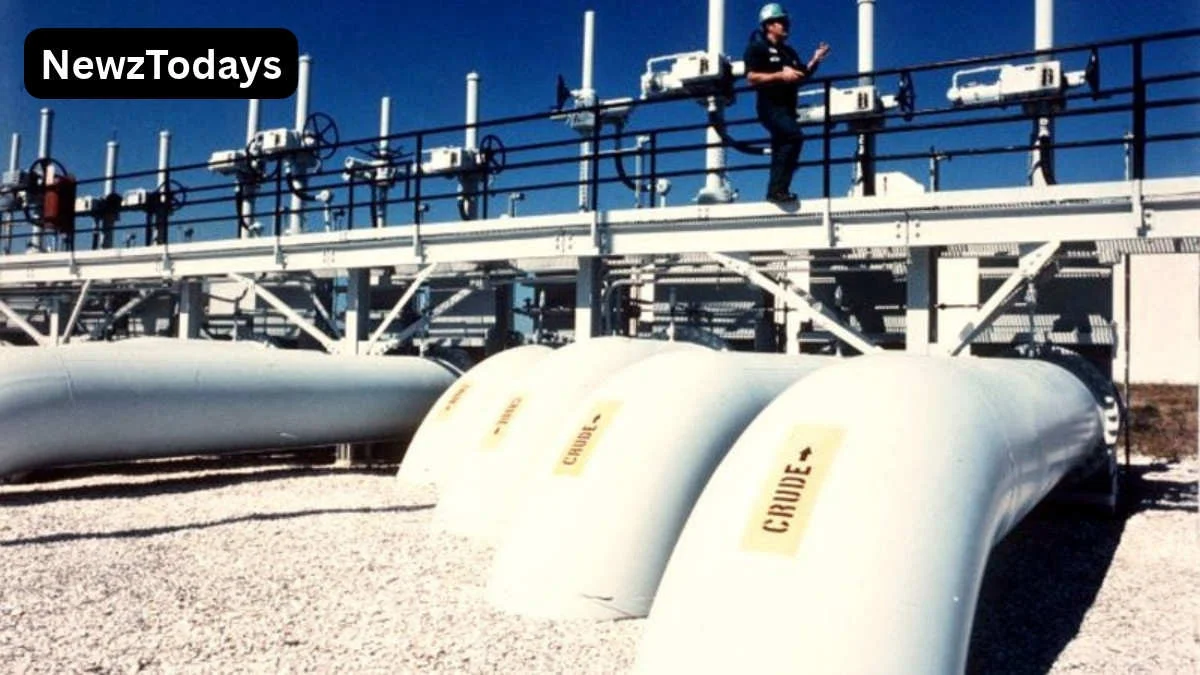
The United States has again resorted to its Strategic Petroleum Reserve (SPR) to ease supply disruptions affecting crude oil deliveries, particularly to a key refinery in Louisiana.
On October 23, the Department of Energy (DOE) approved an emergency exchange of 400,000 barrels of crude oil from the West Hackberry site of the SPR. This shipment is intended for Phillips 66's Lake Charles refinery, which has a processing capacity of approximately 264,000 barrels per day. The allocated volume covers roughly a day and a half of the refinery's capacity.
Strategic Reserve at Lowest Levels Since 1982
The move is part of ongoing efforts to maintain refinery operations amid supply interruptions, although DOE did not specify the exact cause of the delivery issue at Lake Charles. Phillips 66 confirmed acceptance of the crude oil but declined to comment on operational or commercial impacts, assuring no expected disruptions.
Unlike a direct sale, the DOE classifies this transaction as an exchange; Phillips 66 will have to return the borrowed barrels alongside additional crude as a premium at a later date.
This is not the first time this month the U.S. government has drawn from the SPR. Earlier in October, in response to weather-related supply interruptions, DOE authorized exchanges totaling up to 4 million barrels to ExxonMobil and BP.
Significance Amid Rising Oil Prices
The SPR currently holds about 282.7 million barrels, marking the lowest inventory since 1982 and what some analysts consider the operational minimum level for the reserve. These reductions have been driven by significant previous withdrawals, including those during the Iran conflict under the Trump administration and following Russia's invasion of Ukraine under the Biden administration.
Meanwhile, global oil prices have been on an upward trajectory, with Brent crude prices hitting $117.04 per barrel and West Texas Intermediate closing at $103.52. Persistent geopolitical tensions and supply chain constraints across the Middle East continue to fuel price volatility.
The recent draw on the SPR underscores the mounting challenges in ensuring consistent crude supplies to refineries amid a tight global market. For Pakistan, a country heavily reliant on imported oil, such disruptions and price surges have direct implications on fuel costs, inflation, and the broader economy.
As crude prices rise above the $100 mark, strategic management of reserves and diversification of supply sources remain critical measures to mitigate energy security risks for Pakistan and other import-dependent nations.
A DOE spokesperson noted, 'The emergency exchange was vital to keep the Lake Charles refinery operational despite the unexpected interruption in crude deliveries.'
Related Stories
A note on cookies
Newshunt uses essential cookies to keep you signed in and to remember your language and country, so the site works the way you expect. With your permission, we'd also like to use analytics cookies to understand how people use Newshunt and improve it over time.
Accepting only affects analytics. To learn more, view our Privacy Policy or Terms & Conditions.
(0)Comments