


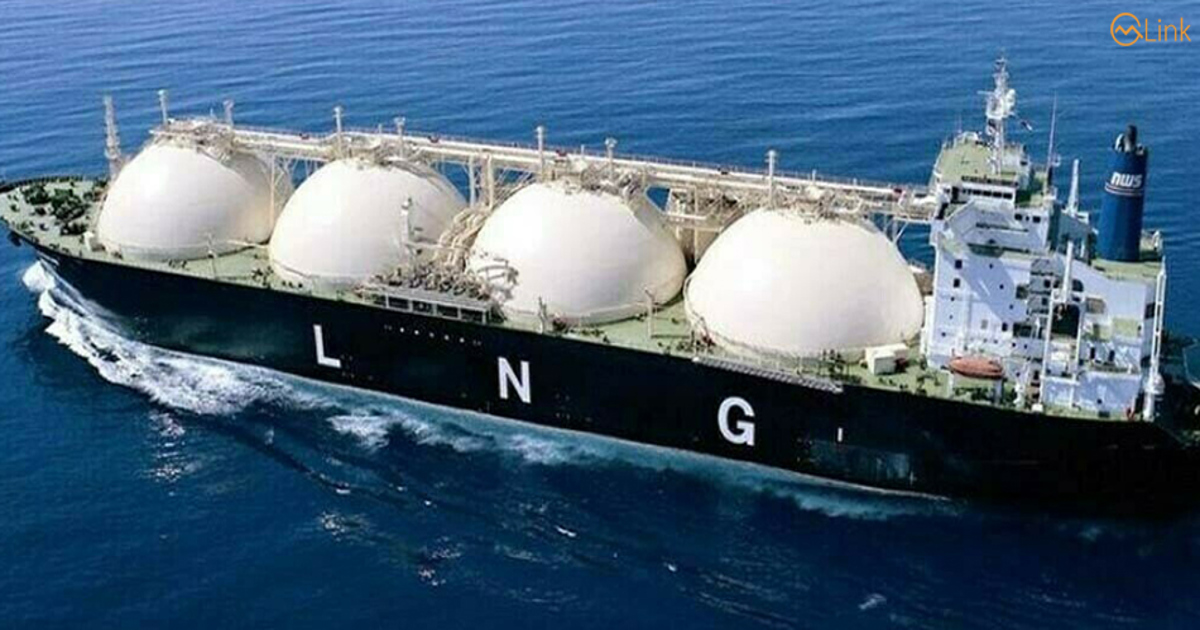
Qatari LNG cargo passes through Hormuz, headed for Pakistan's Port Qasim
Category: Business
Share
Archive
Like
MG News
September 08, 2026 (MLN): Qatar has sent a cargo of liquefied natural gas through the Strait of Hormuz for the first time since July, with the vessel now bound for Port Qasim in Pakistan and expected to arrive as early as Thursday, according to ship-tracking data reported by Bloomberg.
The vessel, Al Marrouna, had loaded its cargo in Qatar early last month and was tracked in the Gulf of Oman, broadcasting Port Qasim as its destination throughout its passage through the strait.
The tanker had kept its transponder active for the entire journey through the waterway.
The shipment follows movement by several empty Qatari LNG carriers back toward the Persian Gulf, which traders read as an indication that Doha could be repositioning its fleet to restart exports through Hormuz, despite the recent flare-up in tensions between Washington and Tehran.
Qatar, which supplied close to a fifth of global LNG volumes before the conflict began, had largely suspended shipments after one of its vessels came under attack in late July.
Benchmark gas prices in Europe and Asia climbed to three-year highs over the past several days, driven by renewed attacks on shipping in the region alongside the continued squeeze on Qatari supply.
Should exports broaden meaningfully, it would ease pressure on buyers across South Asia, many of whom have been contending with fuel shortages and rolling blackouts amid tight, price-sensitive markets.
Even so, LNG volumes leaving the Persian Gulf remain well short of pre-war levels, when roughly three cargoes departed daily.
Separately, Iran indicated on Monday that an agreement with Oman over managing traffic through Hormuz could be finalised soon a development traders are watching closely, given it may extend Tehran's influence over the strait and raise fresh questions over how Washington might react.
Qatar had earlier extended force majeure on LNG cargoes bound for Europe and Asia through October, a factor that has kept global prices elevated.
Despite this, the country has continued loading fuel onto whatever tankers remain available within the Gulf, redirecting some volumes to Kuwait a workaround that has let it manage storage capacity while keeping segments of its vast export facility running at reduced levels.
Copyright Mettis Link News
A note on cookies
Newshunt uses essential cookies to keep you signed in and to remember your language and country, so the site works the way you expect. With your permission, we'd also like to use analytics cookies to understand how people use Newshunt and improve it over time.
Accepting only affects analytics. To learn more, view our Privacy Policy or Terms & Conditions.
(0)Comments