


Sindh Climate Resilience Project Reviews Progress in Umerkot and Mirpurkhas
Category: Business
Share
Archive
Like
A steering committee has reviewed progress on a climate resilience project targeting vulnerable rural communities in Sindh’s Umerkot and Mirpurkhas districts.
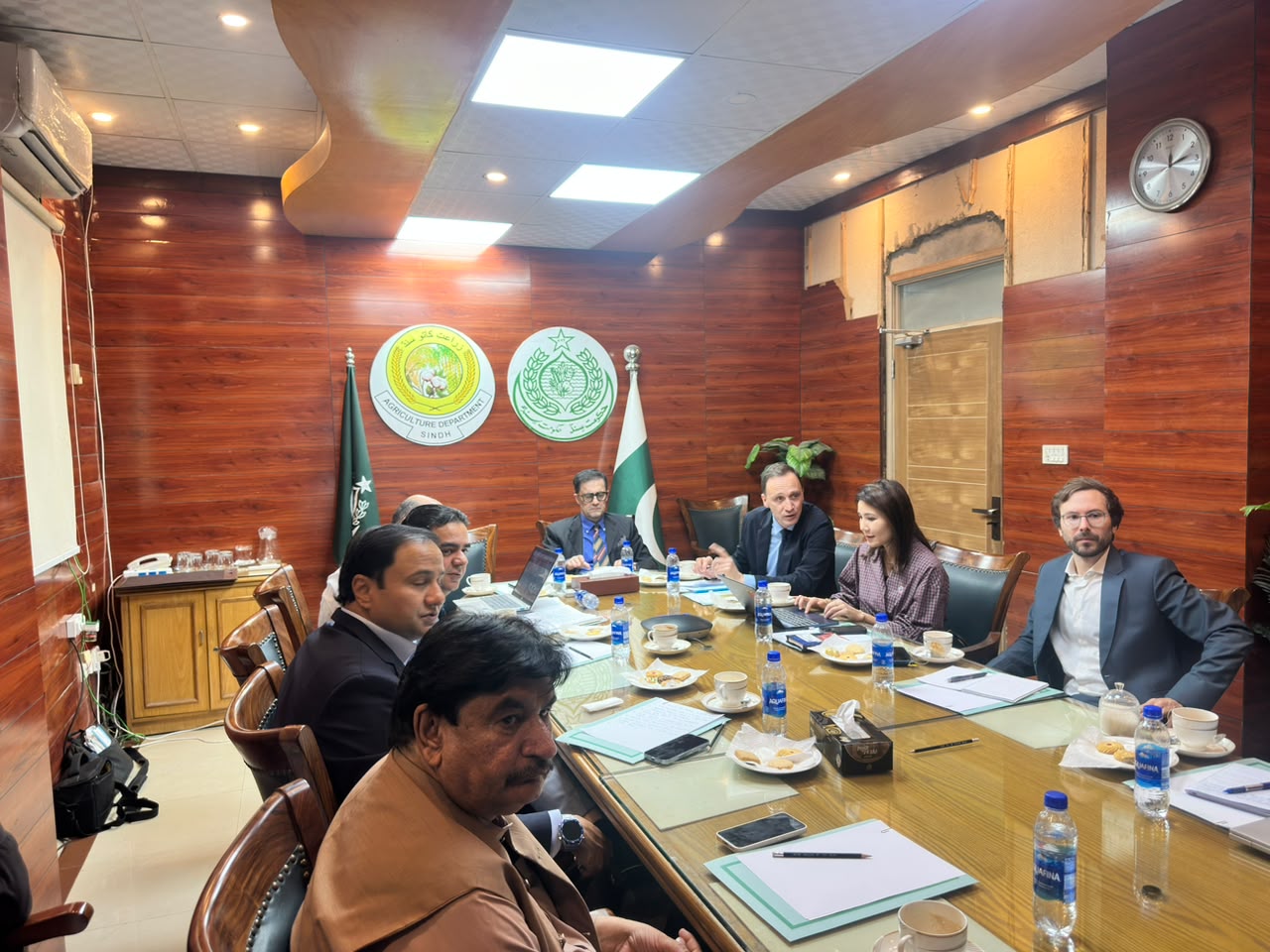
The second Project Steering Committee (PSC) meeting of the Resilience and Adaptation by Fostering Anticipatory Action (RAFAA) project took place on November 26, 2026. Participants assessed achievements and discussed plans for the next phase.
The Food and Agriculture Organization of the United Nations (FAO) and CESVI implement the project. The Italian Ministry of Foreign Affairs and International Cooperation funds the initiative through the Italian Agency for Development Cooperation (AICS).
Project Targets 1.5 Million Indirect Beneficiaries
The RAFAA project has a budget of €4 million and runs for 36 months, from May 2025 to May 2028.
It aims to strengthen the climate resilience and adaptive capacity of vulnerable rural communities in Umerkot and Mirpurkhas. The initiative expects to reach 175,000 direct beneficiaries and around 1.5 million indirect beneficiaries.
Muhammad Zaman Narejo, Secretary of the Agriculture, Prices and Supply Department, Government of Sindh, chaired the meeting. Fabrizio Bielli, Consul General of Italy in Karachi, co-chaired the session.
Other participants included Qabool Muhammad Khatian, Chairman of the Sindh Irrigation and Drainage Authority (SIDA), and Paolo Gallizioli, Head of AICS in Islamabad.
Lorenzo Fellin, AICS Environment and Climate Change Expert, also attended. Mazhar Keerio, Director General of Agriculture Research and Extension, represented the provincial department. Representatives of the Economic Affairs Division and district administrations of Umerkot and Mirpurkhas also joined.
Farhan Ahmed Khan, Country Director of CESVI, and Botagoz Nartayeva, RAFAA Project Manager, represented the implementing partners.
Project Reports Progress on Climate Adaptation
During the meeting, Nartayeva presented progress across the two intervention districts.
Key achievements included completing a Multi-Hazard Vulnerability and Risk Capacity Assessment (MHVRCRA) for households. The project has also launched crop insurance pilots and water quality monitoring initiatives.
Musk Pledges Two SpaceX Shares for Every US Child in $18bn Giveaway
In addition, the initiative has supported kitchen gardening ahead of the upcoming cropping season.
Committee members stressed the importance of sharing data among stakeholders. They said better coordination would help prevent duplication and improve project delivery.
SIDA proposed sharing irrigation water quality data to support cultivation and improve outcomes for beneficiaries.
The Economic Affairs Division representative praised the project’s implementation. However, the representative stressed the need to align activities with national priorities and complete them on time.
The EAD also called for a sustainable exit plan to protect the project’s long-term impact. Meanwhile, stakeholders requested a dashboard to provide committee members with updates on progress, financial information and implementation plans.
Italy Reaffirms Support for Climate Resilience
Fabrizio Bielli reaffirmed the Italian government’s commitment to supporting Pakistan in disaster response and climate risk management.
He said climate resilience requires cooperation among government institutions, technical organisations and development partners. No single institution can achieve it alone.
Bielli thanked FAO, CESVI and the Sindh Agriculture, Prices and Supply Department for their commitment. He also expressed hope that RAFAA would deliver tangible benefits for Sindh’s people and strengthen long-term resilience.
Three Priorities Guide RAFAA Project
The project follows national policy and focuses on three main areas.
First, it aims to strengthen the capacity of local institutions and communities to anticipate and respond to climate change.
Second, it seeks to protect livelihoods through climate-smart agriculture and inclusive crop insurance.
Third, it aims to improve decision-making and anticipatory action by building institutional capacity at national, provincial and local levels.
The initiative is expected to strengthen 30 rural communities, known as Dehs, across Umerkot and Mirpurkhas. It will also promote sustainable agricultural practices and improve coordination among institutions.
Through these measures, RAFAA seeks to help rural communities prepare for climate shocks and protect their livelihoods beyond the project’s 2028 completion date.
A note on cookies
Newshunt uses essential cookies to keep you signed in and to remember your language and country, so the site works the way you expect. With your permission, we'd also like to use analytics cookies to understand how people use Newshunt and improve it over time.
Accepting only affects analytics. To learn more, view our Privacy Policy or Terms & Conditions.
(0)Comments