


NASA finds ‘once-in-a-century' moon crater bigger than Roman Colosseum
Category: SciTech
Share
Archive
Like
NASA finds 'once-in-a-century' moon crater bigger than Roman Colosseum
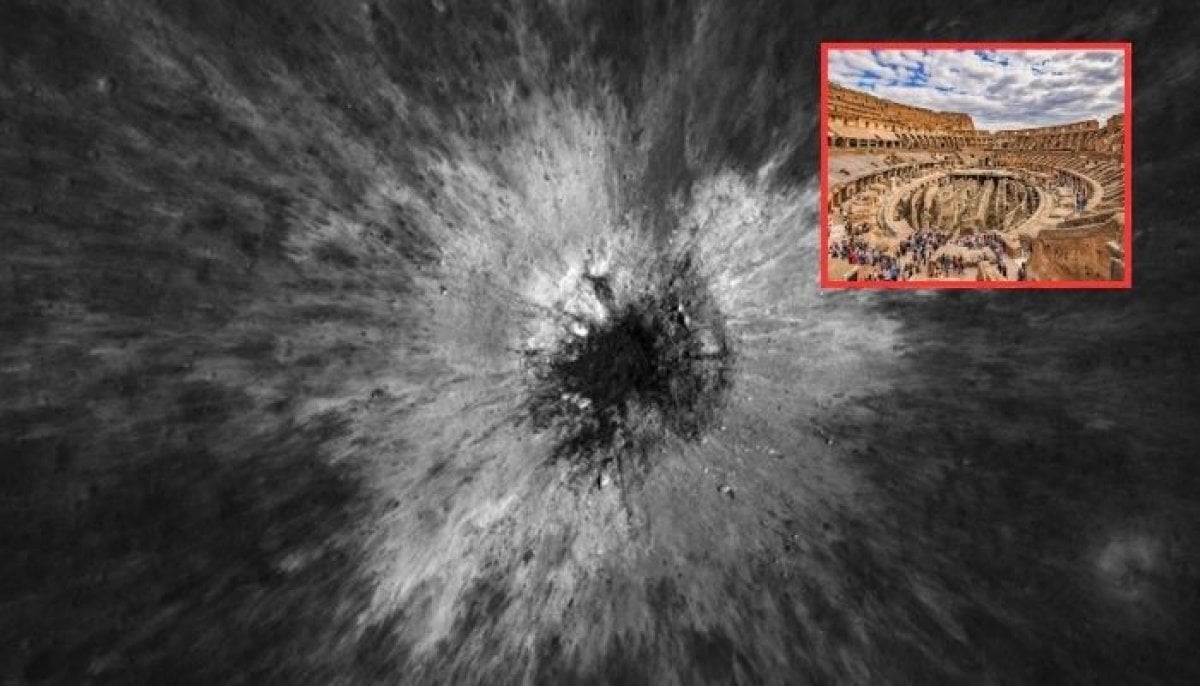
NASA scientists have discovered a giant and massive crater on the moon that appeared bigger than the Roman Colosseum.
The discovery left the researchers in awe as they called it a rare occurrence that only happens 'once in a century or even longer' as a result of a powerful impact two years ago that initially went undetected.
Dubbed 'McGetchin' after pioneering lunar scientist Tom McGetchin, the crater is around 730 feet wide and 141 feet deep and it is located on the Moon's eastern edge.
According to NASA's Lunar Reconnaissance Orbiter (LRO) team, the crater was formed as a result of asteroid and comet impact which could be roughly the size of a 3 to 6 storey building. As per NASA blogpost, the impact occurred between April 11 and May 22, 2024.
'This event constitutes a statistically rare, effectively once-in-a-lifetime observation,' the scientists wrote in one of two studies appearing on the subject Wednesday in the journal Science Advances.
Although the moon has numerous and far bigger craters, researching and assessing a crater's formation in real time can help build understanding of the Moon's geology.
This event carries a significant importance as 'such a large-scale event is estimated to occur only once every 132 years', researchers said, making this a treasure trove of information as NASA prepares to build a base for astronauts on the moon. Even China is also pursuing its lunar ambitions.
The discovery also proves that major impacts can alter the lunar landscape far beyond the physical boundaries of the crater itself, which could impact future rover mobility.
Till now, LRO has found over 1,000 new craters and 100,000 surface changes, supporting future human and commercial activity on the Moon.
A note on cookies
Newshunt uses essential cookies to keep you signed in and to remember your language and country, so the site works the way you expect. With your permission, we'd also like to use analytics cookies to understand how people use Newshunt and improve it over time.
Accepting only affects analytics. To learn more, view our Privacy Policy or Terms & Conditions.
(0)Comments